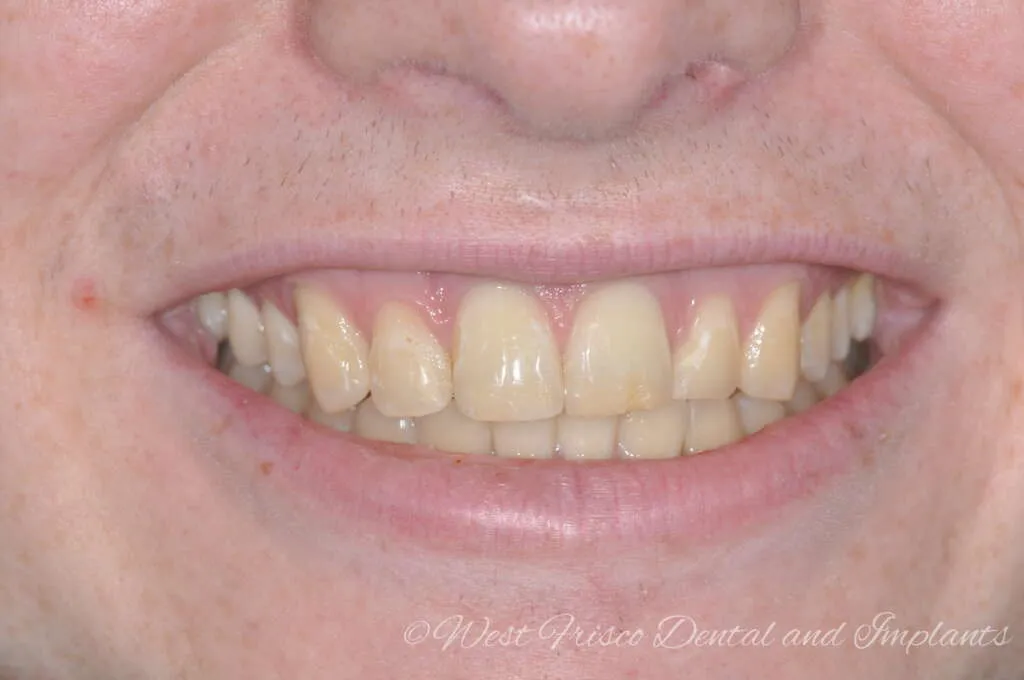
What Causes Pain After Zoom Teeth Whitening
Zoom teeth whitening is a popular cosmetic procedure that promises a brighter smile, but it’s not always a pain-free experience. Understanding the underlying causes of pain after Zoom whitening can help you manage and potentially prevent discomfort. Several factors contribute to the pain, ranging from the procedure itself to individual tooth sensitivity. The intensity and duration of pain vary from person to person, making it essential to recognize the various elements that might play a role. The use of a high-concentration bleaching agent and the activation of the process with a specialized light are key components of the Zoom whitening system. These elements, while effective for stain removal, can also trigger pain or sensitivity in certain patients. Several factors influence the likelihood and severity of post-whitening pain, including the health of your teeth before the procedure and the sensitivity of your gums.
Sensitivity as a Side Effect
Tooth sensitivity is a common side effect following Zoom teeth whitening. This occurs because the whitening agent, typically hydrogen peroxide, penetrates the enamel and reaches the dentin, the layer beneath the enamel that contains nerve endings. This can lead to temporary sensitivity to hot, cold, sweet, or acidic foods and drinks. The degree of sensitivity depends on the concentration of the whitening agent, the duration of the treatment, and the individual’s tooth structure and pre-existing sensitivity levels. In some cases, sensitivity can be mild and resolve within a few days, while others may experience more significant discomfort that lasts longer.
The Role of Hydrogen Peroxide

Hydrogen peroxide is the active ingredient in most professional teeth whitening treatments, including Zoom whitening. It works by breaking down stains and discoloration on the tooth surface and within the enamel. However, hydrogen peroxide can also cause some level of irritation to the teeth and gums. As the hydrogen peroxide breaks down, it releases oxygen molecules that can penetrate the enamel. This process can cause the pores in the enamel to open, which makes the nerves in the dentin more susceptible to stimuli. Furthermore, the higher the concentration of hydrogen peroxide used, the greater the potential for sensitivity and discomfort.
Pre-Existing Conditions and Pain
Individuals with pre-existing dental conditions, such as cavities, cracks, or gum disease, may be more prone to experiencing pain after Zoom teeth whitening. These conditions can expose the dentin and nerve endings, making them more sensitive to the whitening agent. If you have untreated dental issues, the whitening process could exacerbate the existing pain or discomfort. Therefore, it’s crucial to address any dental problems before undergoing Zoom whitening. Your dentist will evaluate your oral health and recommend appropriate treatments, such as fillings or periodontal therapy, to minimize the risk of pain and complications.
Common Causes of Zoom Whitening Pain
Gum Irritation from Whitening Gel

Gum irritation is another potential source of pain after Zoom teeth whitening. The whitening gel, while primarily designed for the teeth, can come into contact with the gums during the procedure. If the gel is not properly applied or if it comes into contact with the gums for an extended period, it can cause irritation, redness, and soreness. In some cases, the irritation may be mild and resolve within a few days. However, in other instances, the irritation can be more severe, leading to significant discomfort. Proper application of the gel and the use of protective measures, such as a gingival barrier, are crucial to minimize gum irritation.
Dehydration and Tooth Sensitivity
Dehydration can also contribute to tooth sensitivity after Zoom teeth whitening. The whitening process can temporarily dehydrate the teeth, making them more susceptible to external stimuli. Drinking plenty of water before and after the procedure can help keep your teeth hydrated and reduce sensitivity. Avoiding dehydrating substances like alcohol and caffeine is also advisable. Maintaining good hydration levels is essential for overall oral health, and it can also help speed up the recovery process after teeth whitening.
Impact of the Zoom Whitening Procedure
The Light’s Contribution to Pain

The Zoom whitening procedure involves the use of a specialized light to activate the whitening gel. While the light itself is generally considered safe, it can generate heat, which can potentially contribute to tooth sensitivity in some individuals. The heat can cause the pores in the enamel to expand, allowing the whitening agent to penetrate deeper into the teeth. This increased penetration can lead to greater sensitivity and discomfort. The duration of the light exposure and the intensity of the light can also impact the level of pain experienced. Your dentist will adjust the settings to maximize effectiveness while minimizing the risk of discomfort.
How to Manage Pain After Zoom Whitening
Over-the-Counter Pain Relievers
Over-the-counter pain relievers, such as ibuprofen or acetaminophen, can effectively alleviate mild to moderate pain after Zoom teeth whitening. These medications can help reduce inflammation and block pain signals, providing relief from discomfort. Always follow the recommended dosage instructions and consult your dentist or doctor if you have any concerns. Avoid taking these medications on an empty stomach to prevent potential side effects. It is crucial to manage pain effectively during the initial days after the procedure.
Desensitizing Toothpaste

Using desensitizing toothpaste can significantly reduce tooth sensitivity after Zoom teeth whitening. Desensitizing toothpaste contains ingredients like potassium nitrate or stannous fluoride, which help block the pathways that transmit pain signals to the nerves in your teeth. These toothpastes work by either blocking the tubules in your teeth or by creating a protective layer on the tooth surface. For optimal results, use the desensitizing toothpaste for at least two weeks before the whitening procedure and continue using it afterward. The more regularly you use the toothpaste, the more effective it will be in reducing sensitivity.
Dietary Adjustments for Relief
Making dietary adjustments can also help manage pain after Zoom teeth whitening. Avoid foods and drinks that are extremely hot, cold, sweet, or acidic, as they can trigger sensitivity. Choose room-temperature, bland foods that are gentle on your teeth. Some recommended foods include yogurt, bananas, cooked vegetables, and rice. Avoid citrus fruits, carbonated beverages, and sugary snacks during the recovery period. Sticking to a gentle diet can minimize discomfort and allow your teeth to recover from the whitening treatment. You can gradually reintroduce more foods as your sensitivity improves.
When to Consult a Dentist
Signs of Serious Complications

While some level of pain after Zoom teeth whitening is common, there are instances when you should consult your dentist. If you experience severe or prolonged pain that does not subside within a few days, it’s essential to seek professional help. Other signs that warrant a dental visit include excessive bleeding, swelling, or signs of infection. Your dentist can assess your situation, identify any underlying issues, and recommend appropriate treatment. Do not ignore severe symptoms, as they may indicate complications.
Long-Term Sensitivity Concerns
In rare cases, some individuals may experience long-term sensitivity after Zoom teeth whitening. If the sensitivity persists for several weeks or months after the procedure, it’s crucial to consult your dentist. They can evaluate your oral health and determine the cause of the persistent sensitivity. They may recommend further treatments, such as fluoride treatments or desensitizing agents, to alleviate the discomfort. While permanent sensitivity is uncommon, it’s important to address it promptly to ensure your comfort and oral health. Regular dental checkups and proper oral hygiene practices are essential to minimize long-term sensitivity concerns.
Preventing Pain Before Zoom Whitening
Consultation and Assessment

Before undergoing Zoom teeth whitening, schedule a consultation with your dentist. During this assessment, your dentist will evaluate your oral health and discuss your expectations and concerns. They will examine your teeth for any pre-existing conditions, such as cavities or gum disease, and address any issues before the whitening procedure. This step helps minimize the risk of pain and complications. Discussing your sensitivity levels and any previous dental treatments is also critical. Your dentist will be able to provide personalized advice based on your oral health and needs.
Professional Whitening Alternatives
If you’re concerned about potential pain and sensitivity, discuss alternative teeth whitening options with your dentist. Other professional whitening treatments may use lower concentrations of hydrogen peroxide or employ different technologies that minimize sensitivity. Some options include custom-fitted whitening trays with a lower-strength gel, which you can use at home under your dentist’s supervision. Another option might be the use of alternative bleaching agents. Your dentist will help you choose the most suitable option based on your oral health, desired results, and sensitivity concerns.
Conclusion
Zoom teeth whitening can significantly enhance your smile, but understanding and managing potential pain is essential. By being aware of the causes, taking preventive measures, and knowing how to alleviate discomfort, you can maximize your chances of a positive and pain-free experience. Remember, open communication with your dentist is crucial throughout the process. If you have any concerns or experience persistent pain, seek professional advice promptly. Following these guidelines, you can enjoy a brighter, more confident smile with minimal discomfort.