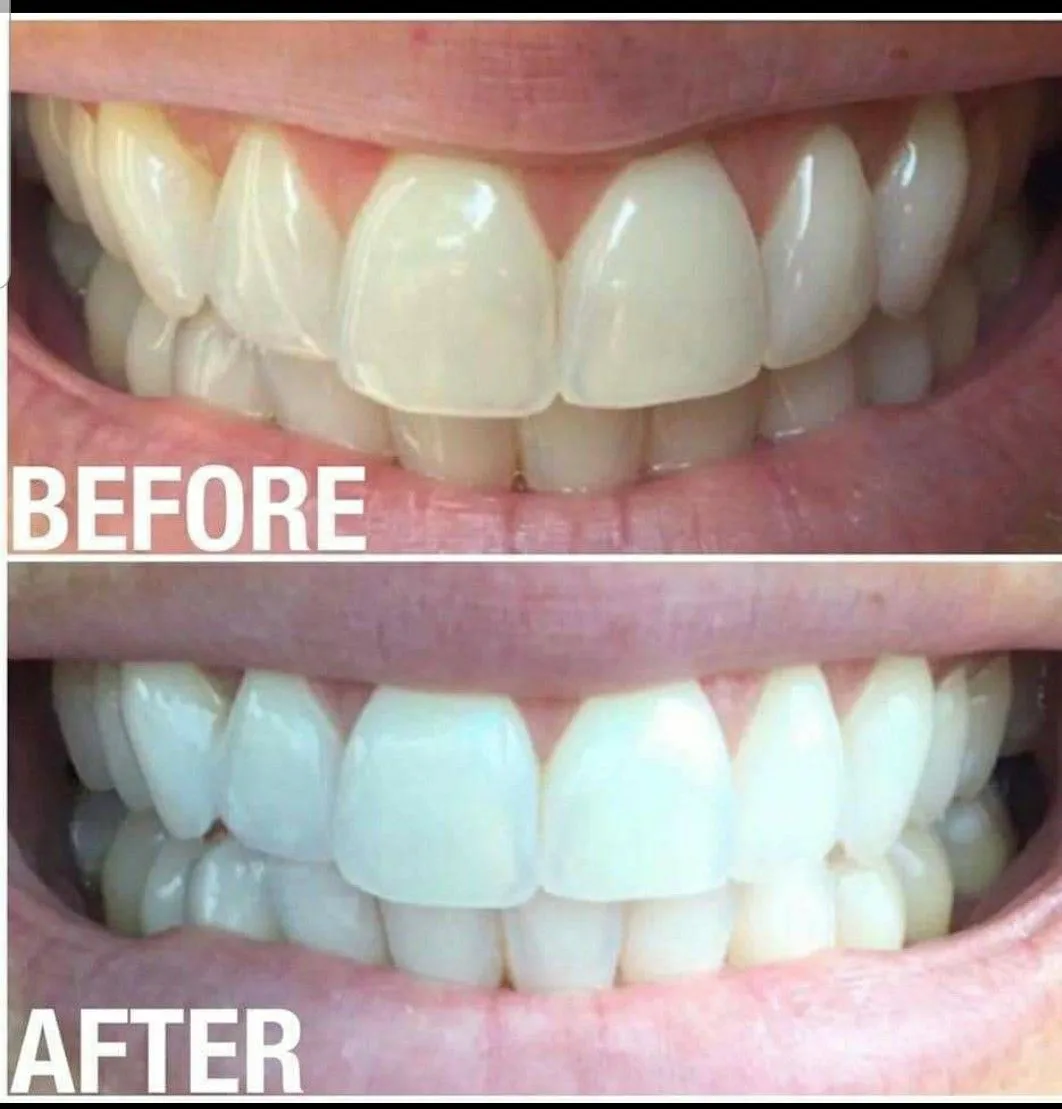
What is Whitening Toothpaste and Its Ingredients?
Whitening toothpaste is a popular oral hygiene product designed to brighten teeth. It typically contains various ingredients aimed at removing surface stains and improving the overall appearance of your smile. But what exactly goes into these toothpastes, and how do these ingredients work? Understanding the composition of whitening toothpaste is crucial before considering it for other uses, such as hair bleaching. Most whitening toothpastes share several common components, but the specific formulations can vary between brands.
Hydrogen Peroxide in Whitening Toothpaste
One of the key ingredients found in many whitening toothpastes is hydrogen peroxide. This chemical compound is a mild oxidizing agent, meaning it can release oxygen molecules that help break down stain molecules on the surface of teeth. The concentration of hydrogen peroxide in whitening toothpastes is typically lower than in professional teeth-whitening treatments. Other ingredients often include abrasives like hydrated silica or calcium carbonate, which physically scrub away stains, and fluoride, which helps strengthen enamel and prevent cavities. Some toothpastes may also include pyrophosphates to prevent new stains from forming and special enzymes to break down plaque and tartar.
How Hydrogen Peroxide Affects Hair

When it comes to hair, hydrogen peroxide acts as an oxidizing agent that lifts the color pigments. This is because the oxidizing process breaks down the melanin, the pigment responsible for hair color. The intensity of the effect depends on the concentration of the hydrogen peroxide and the duration of the application. Higher concentrations of hydrogen peroxide generally lead to more significant color changes, but they also increase the risk of hair damage. In hair products, hydrogen peroxide concentrations vary significantly, from about 3% in some lightening shampoos to up to 12% or more in professional-grade hair bleaches. The pH of the solution also plays a role in the bleaching process; more alkaline solutions can accelerate the color-lifting action.
The Bleaching Process
The bleaching process with hydrogen peroxide is essentially a chemical reaction. As hydrogen peroxide comes into contact with the hair shaft, it penetrates the cuticle, which is the outermost layer of the hair. Once inside, the hydrogen peroxide reacts with the melanin, the natural pigment in your hair. This reaction breaks down the melanin molecules, effectively removing the color. The longer the hydrogen peroxide is in contact with the hair, and the higher the concentration, the more melanin is broken down, leading to lighter hair. After the bleaching process, it is crucial to use a hair conditioner or other hydrating products to help restore moisture and minimize the damage from the oxidation.
Does Whitening Toothpaste Actually Bleach Hair?
The million-dollar question—does whitening toothpaste actually bleach hair? The short answer is: yes, it can, but the results are usually minimal and often unpredictable. The effectiveness largely depends on the concentration of hydrogen peroxide in the toothpaste and the amount applied to the hair. Whitening toothpastes contain hydrogen peroxide, but the concentration is significantly lower than in products specifically designed for bleaching hair. While some lightening may occur, it’s often subtle and may not be noticeable, especially on darker hair. Furthermore, the effect can be uneven, leading to patchy or inconsistent color changes, making it a less reliable method than dedicated hair-bleaching products.
Effectiveness of Whitening Toothpaste on Hair Color

The degree to which whitening toothpaste affects hair color varies significantly depending on hair type, color, and the specific toothpaste used. For individuals with lighter hair, such as blonde or light brown, there may be a slight lightening effect. However, the results are often more pronounced on hair that is already somewhat lightened or porous. The effectiveness of whitening toothpaste on darker hair is generally minimal. The low concentration of hydrogen peroxide in toothpaste struggles to penetrate and alter the melanin structure significantly. The presence of other ingredients in the toothpaste, like abrasives, may add to the cleaning effect on the hair surface, but they don’t contribute to substantial color change. Therefore, one should temper expectations regarding this method’s color-lifting capabilities.
Factors Influencing Hair Bleaching Results
Several factors influence the outcome of using whitening toothpaste to lighten hair. One key factor is the initial hair color. Darker hair contains more melanin, making it more resistant to the mild bleaching action of toothpaste. The hair’s porosity, or its ability to absorb moisture, also plays a crucial role. Porous hair tends to absorb the hydrogen peroxide more readily, potentially resulting in more noticeable changes than in less porous hair. The concentration of hydrogen peroxide within the specific toothpaste product is also crucial, as is the duration of application. More extended contact times might yield slight changes, but also amplify the risk of adverse effects. Furthermore, the presence of any previous hair treatments, such as color or perms, can affect how the hair responds to the whitening toothpaste.
Potential Risks and Side Effects
Using whitening toothpaste on hair carries several potential risks. The mild bleaching action can disrupt the hair’s natural structure, causing damage and dryness. The abrasive ingredients in some toothpastes can also lead to irritation and sensitivity. While the hydrogen peroxide content is typically low, repeated use can still result in cumulative damage, leaving hair brittle and prone to breakage. Moreover, the lack of precise control over the bleaching process can cause uneven color changes, making the hair look patchy. It is essential to consider these risks before attempting to lighten hair with this method.
Hair Damage

The chemicals in whitening toothpaste, though milder than professional bleaches, can still cause hair damage. Hydrogen peroxide, while effective in breaking down color pigments, can also strip the hair of its natural oils and moisture. This can result in dry, brittle hair that is more prone to breakage and split ends. The abrasive ingredients in some toothpastes can further exacerbate the damage by physically wearing down the hair’s surface. Regular use can significantly degrade hair quality over time, making it appear dull, lifeless, and difficult to manage. To mitigate these effects, ensure proper hydration and use hair-repairing products after any such treatment.
Scalp Irritation
The application of whitening toothpaste directly to the scalp can lead to irritation. The ingredients in toothpaste are not designed for skin contact, and prolonged exposure can cause redness, itching, and discomfort. The hydrogen peroxide may cause a burning sensation, and abrasives can scratch the scalp’s surface. Individuals with sensitive skin are particularly susceptible to these effects. Therefore, it is essential to avoid direct contact with the scalp when applying whitening toothpaste to the hair and to rinse thoroughly if any irritation occurs. Consider using a barrier product to protect the scalp if you must apply it near the roots.
Allergic Reactions
Although rare, allergic reactions to the ingredients in whitening toothpaste are possible. Some individuals may be sensitive to components like fluoride, hydrogen peroxide, or specific additives. Symptoms of an allergic reaction can include skin rashes, itching, swelling, or hives. If any signs of an allergic reaction appear after using whitening toothpaste on hair, it is crucial to discontinue use immediately and consult a doctor. Performing a patch test on a small area of skin before applying the toothpaste to the entire head can help identify any potential allergic reactions.
Alternatives to Whitening Toothpaste for Hair Bleaching

Given the potential risks and unpredictable results, there are better alternatives to lightening hair. These methods are generally safer and more effective, providing more control over the final outcome. It is advisable to explore these alternatives before experimenting with whitening toothpaste, especially if your primary goal is to lighten your hair significantly or achieve a specific color result. The following are some of the most popular options.
Hair Bleach Products
Hair bleach products are specifically designed for lightening hair. They contain higher concentrations of hydrogen peroxide and other bleaching agents formulated to lift the hair’s natural pigment effectively. These products come in various strengths, allowing you to control the level of lightening achieved. When using hair bleach, it’s essential to follow the instructions carefully and conduct a strand test before full application to gauge the results. Use a good toner to mitigate unwanted orange or brassy tones. While bleach can cause hair damage, following the product instructions and using appropriate after-care products can help minimize this risk.
Professional Hair Colorists
The safest and most reliable option for bleaching or lightening hair is to consult a professional hair colorist. These experts have the knowledge and experience to assess your hair type, determine the appropriate bleaching method, and achieve the desired results with minimal damage. They use professional-grade products and techniques to ensure even and consistent color changes. A professional colorist will also provide guidance on after-care to keep your hair healthy. Although the cost of professional services may be higher than DIY methods, the potential for better outcomes and reduced risk of hair damage is often worth the investment.
Natural Hair Lightening Methods

If you prefer a gentler approach, there are natural methods to lighten hair. These methods typically involve ingredients like lemon juice, honey, and chamomile tea. Lemon juice contains citric acid, which can act as a mild bleaching agent when exposed to sunlight. Honey contains trace amounts of hydrogen peroxide and can gradually lighten hair over time, especially when mixed with a hydrating ingredient like olive oil. Chamomile tea can also add subtle highlights and brighten hair. Although these methods are milder, they require patience, as the results are gradual. They also tend to work best on lighter hair shades. It is important to note that natural methods may not be as effective for significant color changes.
Conclusion
In conclusion, while whitening toothpaste contains hydrogen peroxide, it is not the most effective or safest method for bleaching hair. The low concentration of hydrogen peroxide in toothpaste often yields subtle and unpredictable results, and the process can pose potential risks to hair and scalp health. For those looking to lighten their hair, professional hair services or hair-bleaching products are generally the better choices. Furthermore, for gentler changes, natural lightening methods such as lemon juice and chamomile tea can be considered. Always prioritize hair health and safety, and consult with a professional if you are uncertain about the best approach for your hair type and desired outcome.