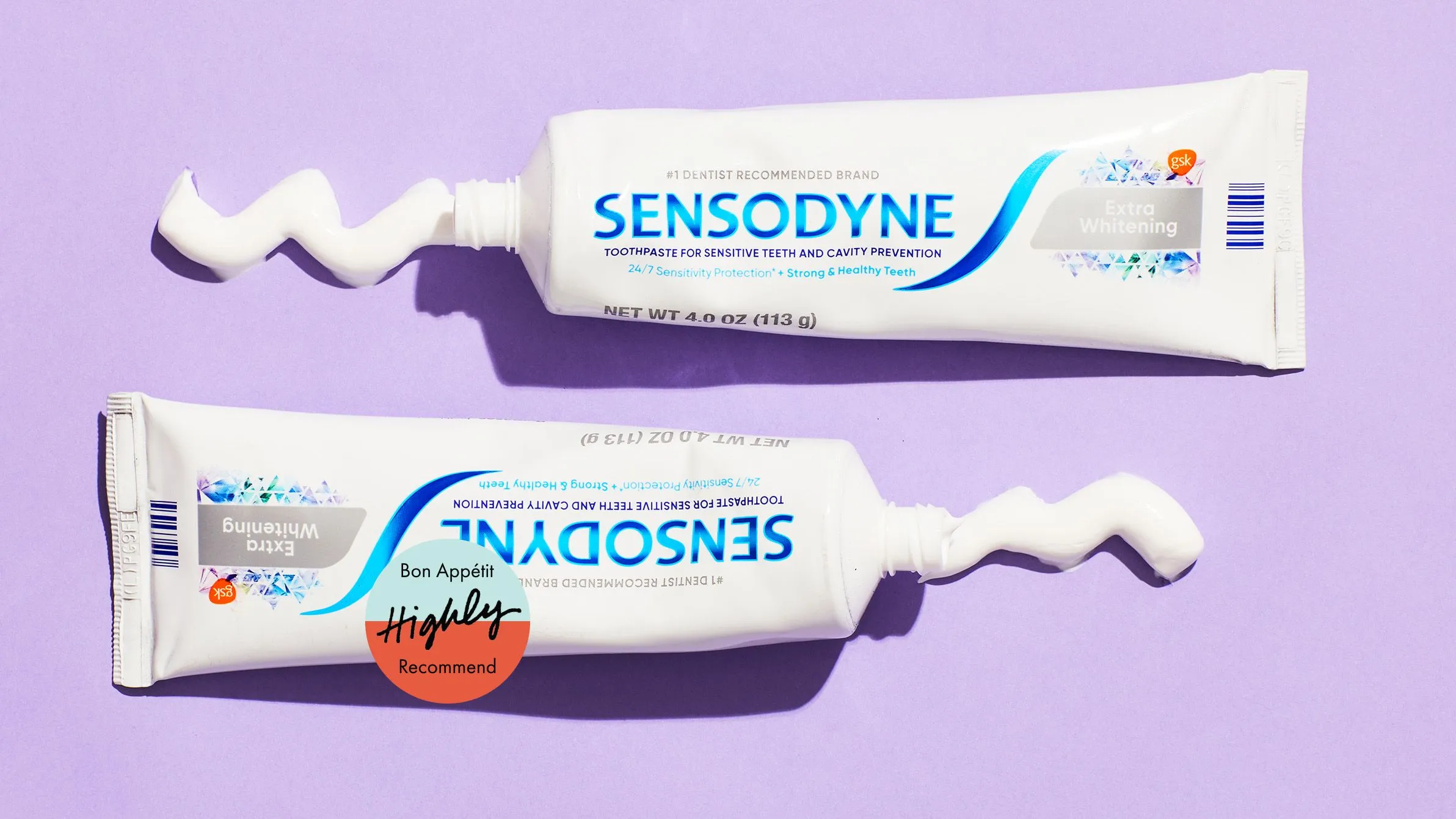
What is Whitening Toothpaste
Whitening toothpaste is a type of toothpaste specifically designed to remove surface stains and brighten the appearance of your teeth. Unlike professional teeth whitening treatments, whitening toothpastes typically use mild abrasives, chemicals, or a combination of both, to achieve their effects. These products are readily available over-the-counter and are a popular choice for those looking to enhance their smile’s brightness without a visit to the dentist. However, understanding how these toothpastes work and their potential impact on your oral health is crucial.
How Does Whitening Toothpaste Work
Whitening toothpastes work primarily through mechanical and chemical actions. Abrasive agents like hydrated silica, calcium carbonate, and dicalcium phosphate polish the teeth’s surface to remove stains. These abrasives work by physically scrubbing away stains caused by coffee, tea, tobacco, and certain foods. The effectiveness of these abrasives can vary; some are gentler than others. Certain whitening toothpastes also contain chemicals like hydrogen peroxide or other bleaching agents, which penetrate the enamel to lighten the teeth from within. The degree of whitening achieved depends on the concentration of these agents and the duration of use.
Types of Whitening Toothpaste

There are several types of whitening toothpastes, each with different mechanisms and ingredients. Understanding these variations is essential when choosing a product. The key differences lie in the active ingredients and their abrasive qualities. Some focus solely on surface stain removal, while others incorporate bleaching agents to provide deeper whitening. The best choice depends on individual needs, the type of stains, and any existing dental sensitivities.
Abrasive Whitening Toothpastes
Abrasive whitening toothpastes rely on physical scrubbing to remove surface stains. These toothpastes typically contain abrasive particles that polish the teeth, effectively removing stains from coffee, tea, and other dietary sources. While effective in removing surface stains, excessive use of highly abrasive toothpastes can wear down the enamel over time. This can lead to increased sensitivity, as the underlying dentin becomes exposed. It is crucial to check the Relative Dentin Abrasivity (RDA) value of these toothpastes, with lower values generally indicating less abrasiveness.
Whitening Toothpastes with Chemical Bleach
Whitening toothpastes with chemical bleach, often containing hydrogen peroxide or carbamide peroxide, offer a more profound whitening effect. These chemicals penetrate the enamel to break down stain molecules, leading to a brighter smile. The concentration of bleaching agents in these toothpastes is typically lower than in professional treatments. However, prolonged use can still lead to enamel damage and increased tooth sensitivity. It’s important to use these products as directed and to monitor for any adverse effects.
The Top 5 Facts About Whitening Toothpaste and Teeth

Whitening toothpaste, while offering the promise of a brighter smile, can have several effects on your teeth. Here are the top 5 facts about how whitening toothpaste interacts with your oral health, covering both the benefits and potential drawbacks. Awareness of these facts can help you make informed decisions about using these products.
Fact 1 Whitening Toothpaste Can Cause Sensitivity
One of the most common side effects of using whitening toothpaste is increased tooth sensitivity. This occurs because the abrasive agents or bleaching chemicals can irritate the enamel, making the teeth more susceptible to hot and cold temperatures. Sensitivity can range from mild discomfort to sharp, shooting pains. If you experience tooth sensitivity, it is recommended to reduce the frequency of using whitening toothpaste or to switch to a toothpaste designed for sensitive teeth.
Fact 2 Whitening Toothpaste Can Damage Enamel
Overuse of highly abrasive whitening toothpastes can wear down the enamel over time. Enamel is the hard, protective outer layer of the tooth. Once it’s eroded, it cannot be regrown. Enamel erosion can lead to increased sensitivity, increased risk of cavities, and a less appealing appearance as the underlying yellow dentin becomes more visible. The RDA (Relative Dentin Abrasivity) value is a measure of abrasiveness; choose a toothpaste with a lower RDA to minimize this risk.
Fact 3 Some Ingredients Can Irritate Gums

Certain ingredients in whitening toothpaste, such as strong bleaching agents or abrasive particles, can irritate the gums. This can lead to inflammation, redness, and even bleeding. People with sensitive gums should be particularly cautious about using whitening toothpastes and should look for products that are gentle and specifically designed for sensitive gums. If irritation occurs, it is important to discontinue use and consult with a dentist.
Fact 4 Not All Stains Are Removable
Whitening toothpastes are most effective at removing surface stains caused by foods, drinks, and tobacco. However, they are less effective at removing intrinsic stains, which are stains within the tooth structure. These types of stains may be caused by aging, certain medications, or trauma to the teeth. In these cases, professional teeth whitening or other dental procedures may be necessary to achieve desired results.
Fact 5 Long-Term Use Isn’t Always Recommended
Prolonged, daily use of whitening toothpaste is not always recommended. Due to the abrasive nature of some products and the potential for enamel damage, it is often advised to use these toothpastes intermittently. Dentists often suggest alternating between whitening toothpaste and regular fluoride toothpaste to maintain oral health and minimize risks. Always follow the instructions on the product label and consult with your dentist about the appropriate usage for your specific needs.
How to Minimize Risks When Using Whitening Toothpaste

While whitening toothpaste can be a convenient way to brighten your smile, it’s essential to take steps to minimize any potential risks. Here are some practical tips to help you use whitening toothpaste safely and effectively, ensuring you achieve the desired results without compromising your oral health.
Choose a Toothpaste with Low Abrasiveness
When selecting a whitening toothpaste, pay close attention to the RDA value. Look for products with a lower RDA, as these are less abrasive and therefore less likely to damage your enamel. This is especially important if you have sensitive teeth or are prone to enamel erosion. Less abrasive toothpastes can still effectively remove surface stains while reducing the risk of harm to your teeth.
Consult Your Dentist
Before incorporating whitening toothpaste into your routine, it’s always a good idea to consult with your dentist. They can assess the condition of your teeth and gums, and advise you on whether whitening toothpaste is appropriate for you. Your dentist can also recommend specific products and usage guidelines based on your individual needs. Regular dental check-ups help monitor any changes in your oral health.
Use Whitening Toothpaste Sparingly

Avoid using whitening toothpaste daily. Instead, consider alternating between whitening toothpaste and regular fluoride toothpaste. This helps to balance the benefits of stain removal with the need to protect your enamel. Using whitening toothpaste a few times a week can be sufficient to maintain a brighter smile without increasing the risk of enamel damage or sensitivity.
Alternatives to Whitening Toothpaste
If you’re concerned about the potential downsides of whitening toothpaste, there are several alternative options available for enhancing the brightness of your smile. These alternatives offer different approaches to teeth whitening, each with its benefits and considerations. The best option for you depends on your individual needs, budget, and desired level of whitening.
Professional Teeth Whitening
Professional teeth whitening, performed by a dentist, is a highly effective method for achieving significant whitening results. These treatments often use stronger bleaching agents than those found in over-the-counter products. The dentist can also monitor the process and ensure the safety of your teeth and gums. Options include in-office whitening, which provides immediate results, and at-home whitening kits prescribed by your dentist.
Dental Veneers

Dental veneers are thin, custom-made shells that are bonded to the front surface of your teeth. They can correct a variety of cosmetic issues, including discoloration, chips, and gaps. Veneers are stain-resistant and can provide a long-lasting, bright smile. This is a more permanent solution than whitening toothpaste but requires a dental procedure to apply.
Conclusion
Whitening toothpaste can be a helpful tool for improving the appearance of your teeth. However, it is important to be aware of the potential risks, such as enamel damage and increased sensitivity. By understanding how whitening toothpastes work, choosing the right product, and consulting with your dentist, you can minimize these risks. Prioritizing the health of your teeth while seeking a brighter smile is crucial for long-term oral health. Always make informed decisions and prioritize the guidance of dental professionals for the best results.