What Are Teeth Whitening Trays
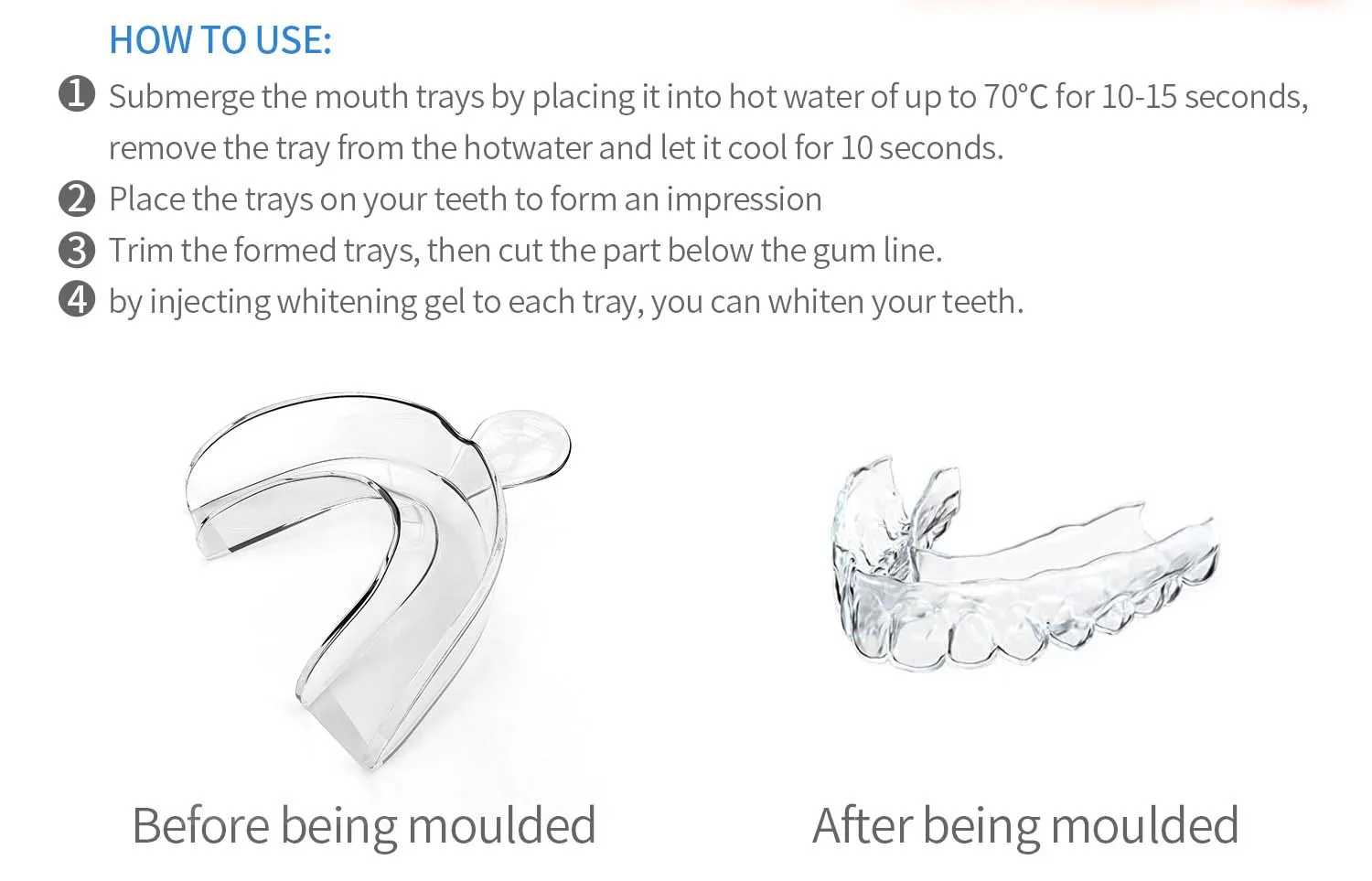
Teeth whitening trays are custom-fitted or pre-made devices used to apply a bleaching agent to the teeth. They are a popular and effective method for achieving a brighter smile, offering a more convenient and often more affordable alternative to in-office whitening procedures. These trays work by holding a whitening gel in close contact with the teeth, allowing the active ingredients to penetrate the enamel and break down stain molecules. The effectiveness of these trays depends on several factors including the type of tray, the concentration of the whitening gel, the duration of use, and the initial condition of the teeth. Understanding how these trays work is the first step towards achieving the best possible results.
Understanding the Science Behind Teeth Whitening
At the core of teeth whitening lies a chemical process known as oxidation. The active ingredients in teeth whitening gels, typically hydrogen peroxide or carbamide peroxide, break down into molecules that penetrate the enamel of the teeth. These molecules then react with the stain molecules embedded within the enamel, effectively breaking them apart. This process lightens the appearance of the teeth, resulting in a brighter, whiter smile. The effectiveness of this process is also influenced by the type of stains present, with surface stains generally being easier to remove than intrinsic stains, which are those that occur within the tooth structure. This scientific understanding is key to appreciating the benefits of using teeth whitening trays and knowing how to get optimal results.
How Teeth Whitening Trays Work

Teeth whitening trays work by providing a close and consistent contact between the whitening gel and the tooth surfaces. After the tray is loaded with the gel, it is placed over the teeth. The tray then holds the gel in place, allowing it to effectively penetrate the enamel. The duration for which the tray is worn, and the concentration of the whitening agent, are crucial to the outcome. The peroxide in the gel then breaks down stains, and the tray ensures that the entire surface of the teeth gets consistent exposure to the whitening agent, enabling a uniform result. The best results come from the correct use of the right kind of trays and gels, and following all instructions.
Ingredients of Teeth Whitening Gels
The primary active ingredients in teeth whitening gels are hydrogen peroxide and carbamide peroxide. Hydrogen peroxide is the stronger of the two, often found in higher concentrations in professional whitening treatments. Carbamide peroxide breaks down into hydrogen peroxide and urea, and is often used in at-home kits due to its more gradual release of peroxide. Besides these active agents, whitening gels may also include other ingredients that help in the effectiveness of the whitening process, or improve its stability or flavor. Some gels have desensitizing agents, such as potassium nitrate or fluoride, to reduce tooth sensitivity, an occasional side effect of the whitening treatment. The specific ingredients and their concentrations play a crucial role in both the efficacy and any possible side effects of the teeth whitening process.
Proven Tip 1 Choosing the Right Tray
Selecting the correct teeth whitening tray is the first step towards achieving successful results. You have two primary options: custom trays and pre-made trays. Custom trays are created by a dentist to fit your mouth precisely. This ensures even distribution of the whitening gel and minimizes leakage, which can lead to gum irritation. Pre-made trays, available over-the-counter, are a more budget-friendly choice but may not fit as snugly. They may be less effective and can cause more gel to contact the gums. It is also important to consider the material of the tray, ensuring it is comfortable and easy to clean. Consulting with a dental professional can help you determine the best type of tray for your specific needs and oral health.
Types of Trays

There are two main types of trays for teeth whitening: custom-made and pre-made trays. Custom trays are made by a dentist. Pre-made trays are available over-the-counter. Both types have different advantages and disadvantages. The choice will depend on your budget, convenience, and specific dental needs. Custom trays offer the best fit, which results in better and more even whitening. Pre-made trays can be more affordable, but may not fit as well, leading to potential issues. When selecting your tray, it’s important to consider which option will best meet your personal requirements and provide the greatest results.
Custom vs. Pre-Made Trays
Custom trays are molded to the exact shape of your teeth by a dental professional, resulting in a perfect fit. This reduces the risk of gel leakage onto the gums, which can cause sensitivity. The more accurate fit also means a more uniform application of the whitening agent, leading to more consistent results. Pre-made trays, in contrast, are designed to fit a wide range of mouth shapes, so they may not be as comfortable or as effective. They can be a quick, affordable option, but they may not deliver the best results. The selection between custom and pre-made trays often hinges on your budget, your desire for more effective whitening, and your willingness to invest in a professional process.
Proven Tip 2 Selecting the Right Whitening Gel
The choice of whitening gel is as crucial as the tray itself. The primary active ingredient is usually hydrogen peroxide or carbamide peroxide, each with varying concentrations. Higher concentrations of peroxide often yield faster results, but also increase the potential for tooth sensitivity. The concentration of the gel determines the strength of the bleaching effect. Consider the initial color of your teeth and the desired outcome. If you have significant staining, a higher concentration might be appropriate, but always consult a dentist. Also consider the time you are willing to spend on the procedure, since a higher concentration might necessitate shorter application periods, and be aware of any potential side effects. Your dentist can guide you in selecting the right concentration and formulation for your individual needs and oral health.
Concentration Levels

Whitening gels come in various concentrations, typically ranging from 3% to 20% hydrogen peroxide or equivalent carbamide peroxide. The concentration directly influences the speed and intensity of whitening. Higher concentrations often lead to quicker results, but they may also heighten the risk of tooth sensitivity. The concentration also affects the duration of the treatment. Professional-grade gels typically have higher concentrations and require shorter application times. Over-the-counter products have lower concentrations for safety, which means longer application periods. Always follow the instructions and recommendations of your dentist to determine the appropriate concentration for your teeth and oral health condition. It is vital to be mindful of potential side effects, like sensitivity, and to adjust the concentration accordingly.
Ingredients to Avoid
When choosing a teeth whitening gel, be mindful of certain ingredients. Avoid products containing abrasive materials like silica or pumice that can erode enamel over time. Some gels contain harsh chemicals that can irritate gums and cause sensitivity. It’s wise to look for gels that include desensitizing agents, such as potassium nitrate or fluoride. These agents can help reduce the risk of discomfort during and after the whitening process. Always check the product’s ingredient list to ensure it’s safe for your teeth and gums. Consulting a dentist can also provide further guidance on which ingredients to steer clear of and which ones are beneficial.
Proven Tip 3 Preparing Your Teeth
Proper preparation of your teeth before starting the whitening process is essential for optimal results. Begin by thoroughly brushing and flossing your teeth to remove plaque and food particles, enabling the whitening gel to make direct contact with the enamel. For those with existing dental issues, such as cavities or gum disease, it’s crucial to address these problems with a dentist before whitening. A professional cleaning from your dentist can remove surface stains and buildup, further enhancing the effectiveness of the whitening process. Additionally, dentists may recommend certain products to boost the effectiveness, such as special toothpastes to prepare your teeth. Preparing your teeth properly sets the foundation for a successful and healthy whitening experience.
Brushing and Flossing

Before applying the whitening gel, thoroughly brush and floss your teeth. This eliminates surface debris and plaque, which can impede the whitening process. Make sure to brush for at least two minutes, paying close attention to all tooth surfaces. Flossing removes any food particles and bacteria that brushing might have missed, creating a cleaner surface for the whitening agent. This simple step makes a considerable difference in how effectively the gel works. It also helps prevent issues, such as sensitivity or uneven whitening, that can arise if the gel is not applied to a clean surface. Always prioritize thorough oral hygiene to prepare your teeth for the best results.
Professional Cleaning
Consider a professional cleaning from your dentist before you start whitening. A dental cleaning removes built-up plaque and tartar, which brushing alone can’t eliminate. This removes surface stains and reveals a cleaner tooth surface, allowing the whitening gel to penetrate more effectively. The dentist will also be able to identify and address any underlying dental issues, like cavities or gum disease, that could complicate the whitening process. A professional cleaning not only improves the effectiveness of your whitening treatment but also ensures that your gums and teeth are in the best possible condition for the procedure, promoting better and more consistent results.
Proven Tip 4 Proper Application
Proper application of the whitening gel is essential for achieving the desired results. Always read and follow the instructions that come with your whitening kit. Usually, this includes applying a small amount of gel into the tray for each tooth. Be careful not to overload the tray to prevent the gel from overflowing onto your gums. Once the gel is in the tray, carefully insert the tray into your mouth, making sure it fits snugly against your teeth. Any air pockets must be eliminated to ensure even coverage. Ensure the tray is worn for the recommended duration. Incorrect application can lead to uneven whitening or increased sensitivity. Remember to maintain consistency and care throughout this step for optimum results.
Applying the Gel

When applying the whitening gel to the tray, use only a small amount per tooth. Overfilling the tray can lead to excess gel spilling onto your gums, which can cause irritation. Carefully distribute the gel along the inner surface of the tray, ensuring that it covers the visible surfaces of your teeth. Some trays may have specific markings indicating how much gel to use. If you’re using a custom tray, the precise fit will often help to distribute the gel evenly. Proper application guarantees that all tooth surfaces receive the whitening agent, promoting uniform whitening. It’s important to handle the gel carefully to avoid any mess and to make sure it’s applied exactly as directed for best outcomes.
Wearing Time
The duration for which you wear the whitening tray is critical to the results. The time needed varies depending on the gel’s concentration and your dentist’s recommendations. Over-the-counter products often require longer wear times, typically 30 minutes to an hour, once or twice a day. Professional-strength gels, used under a dentist’s supervision, may be worn for shorter periods. Always follow the instructions provided with your specific whitening kit. Avoid wearing the tray for longer than recommended, as it can increase your risk of tooth sensitivity and gum irritation. Consistency is essential; follow the suggested schedule to see the best results. Overdoing the treatment can be counterproductive, so always stick to the prescribed time frame to achieve a brighter smile safely and effectively.
Proven Tip 5 Maintaining Results
Maintaining the results of your teeth whitening treatment requires consistent oral hygiene and conscious lifestyle choices. Regular brushing, flossing, and routine dental check-ups are crucial for keeping your teeth bright. Avoid or minimize consumption of staining foods and drinks, such as coffee, tea, red wine, and berries. Smoking can also stain your teeth, so quitting or reducing your tobacco use will help preserve your whiter smile. Consider using a whitening toothpaste or mouthwash as part of your regular oral hygiene routine. Maintaining these habits will help prolong the effects of your teeth whitening and keep your smile looking its best for a longer time. Regularly scheduled dental cleanings will help you to maintain the bright appearance of your teeth.
Oral Hygiene

Consistent oral hygiene is essential for maintaining the results of your teeth whitening treatment. This includes brushing your teeth at least twice a day with fluoride toothpaste and flossing daily. Thorough brushing removes food particles and plaque that contribute to staining, while flossing reaches areas that brushing can’t, preventing buildup and keeping your gums healthy. Using a whitening toothpaste can help to gently remove surface stains and keep your teeth looking bright. Regular dental check-ups and professional cleanings are also important to maintain your oral health and the brilliance of your smile. A good oral hygiene routine will prevent stains and keep your teeth looking white and healthy long after your whitening treatment.
Dietary Considerations
Your diet plays a significant role in maintaining the results of your teeth whitening. Certain foods and drinks can stain your teeth and diminish the effects of your whitening treatment. Coffee, tea, red wine, and dark-colored berries are notorious for causing stains, so minimizing your consumption of these items can help preserve your bright smile. Dark sauces, such as soy sauce and balsamic vinegar, can also cause staining. If you consume these items, try to drink water immediately after, or brush your teeth to help prevent stains from setting. Avoiding these types of foods and drinks, or using them in moderation, is a powerful way to protect your investment in teeth whitening.
Proven Tip 6 Potential Side Effects
While teeth whitening trays are generally safe, they can cause some side effects. The most common is tooth sensitivity, which can be temporary. Sensitivity usually subsides a few days after stopping the whitening treatment, but you can reduce it by using a toothpaste designed for sensitive teeth or by taking breaks between whitening sessions. Some people may also experience gum irritation, due to the whitening gel coming into contact with the gum tissue. This is often caused by using too much gel, or a tray that doesn’t fit properly. Be sure to follow all instructions provided by your dentist, and use the correct amount of gel, and ensure the tray fits snugly. If you experience any severe or prolonged side effects, consult your dentist immediately. A dentist can help manage any issues.
Sensitivity

Tooth sensitivity is a potential side effect of teeth whitening. Many people experience temporary sensitivity to cold or hot foods and drinks. This happens because the whitening agents can penetrate the enamel and reach the dentin, which contains nerve endings. The intensity of sensitivity varies depending on the concentration of the whitening gel and the individual’s tooth structure. If you experience sensitivity, try using toothpaste designed for sensitive teeth, which contains ingredients like potassium nitrate, that can soothe the nerves. You can also decrease the frequency of your whitening treatments, or reduce the duration of each session. Usually, this sensitivity disappears soon after finishing the whitening treatment. If sensitivity becomes severe or prolonged, consult your dentist.
Gum Irritation
Gum irritation is another potential side effect of teeth whitening. This irritation often results from the whitening gel coming into contact with the gum tissues. Overfilling the tray, or a poorly fitted tray, can lead to leakage and increased contact between the gel and the gums. The irritation can manifest as redness, swelling, or soreness. If you experience gum irritation, stop the whitening treatment and consult your dentist. Your dentist may recommend using a lower concentration of gel, or adjusting the fit of your tray. Making sure the tray is fitted correctly and using the proper amount of gel can greatly reduce the risk of gum irritation. If the irritation does not subside, seek professional help to address the issue.
When to See a Dentist
If you experience any problems during or after your teeth whitening treatment, it’s important to consult your dentist. This is especially true if you notice severe or persistent sensitivity or gum irritation. Your dentist can assess your condition, and determine the best course of action. It’s a good idea to schedule a check-up if you’re unsure about the process, or if your teeth don’t seem to be whitening as expected. Your dentist can also recommend alternative treatments if needed, or provide guidance on how to avoid problems in the future. They are the best resource for any issues, and can ensure that your whitening journey is safe and successful. Regular dental checkups are always a good practice, and can catch any potential problems early.