Understanding Whitening Strips
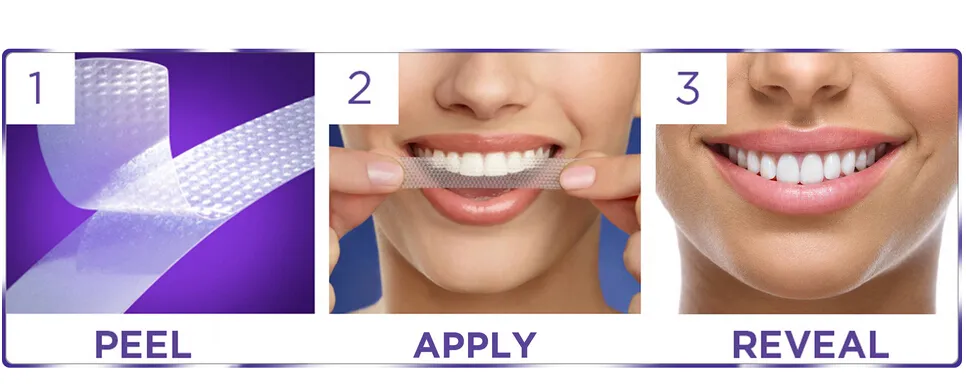
Whitening strips have become a popular method for achieving a brighter smile from the comfort of your own home. But before diving into the best times to use them, it’s essential to understand what they are and how they work. These strips are thin, flexible pieces of plastic coated with a hydrogen peroxide or carbamide peroxide solution. These chemicals are the active ingredients responsible for breaking down stains and discoloration on the enamel surface of your teeth. The convenience and relatively low cost of whitening strips make them a favorite, but knowing the proper usage, including the optimal timing, is crucial for getting the desired results and avoiding potential side effects. It is important to remember that the effectiveness of whitening strips can vary based on the initial condition of your teeth, the type of stains present, and your individual sensitivity. Consulting a dental professional can offer personalized advice tailored to your specific needs and oral health.
How Whitening Strips Work
The fundamental process of whitening strips revolves around the oxidation of stain molecules within the tooth enamel. When the active ingredient, typically hydrogen peroxide, comes into contact with the stained areas, it penetrates the enamel and breaks down the stain molecules into smaller, less visible components. This process effectively lightens the appearance of your teeth. The length of time the strips are applied, as well as the concentration of the active ingredient, impacts the degree of whitening achieved. Most whitening strips are designed for daily use over a period of several weeks, with the results gradually becoming apparent. Consistency is key. However, the way the strips interact with your teeth is influenced by various factors, including the presence of saliva, which can dilute the whitening agent, and the overall health of your teeth and gums. Therefore, knowing the optimal timing and adherence to the manufacturer’s instructions are essential to ensure efficacy and protect against potential harm.
Ingredients and Their Effects

The primary active ingredient in most whitening strips is hydrogen peroxide or a related compound, such as carbamide peroxide. Hydrogen peroxide is a powerful oxidizing agent that breaks down stain molecules. The concentration of hydrogen peroxide varies among different brands and products, typically ranging from 6% to 10% in over-the-counter strips. Carbamide peroxide breaks down into hydrogen peroxide and urea, which helps to release the peroxide slowly. The effects of these ingredients include tooth whitening and potential temporary side effects like increased tooth sensitivity and gum irritation. Besides the active ingredients, whitening strips contain other components such as binding agents to help the strips adhere to the teeth, flavoring agents to improve taste, and stabilizers to maintain the product’s efficacy. Understanding these ingredients can help you make informed decisions, but you should always follow the product instructions and consult with a dentist if you have any concerns about the ingredients or their effects on your oral health.
Top 7 Timing Tips for Whitening Strips
The timing of your whitening strip application can greatly affect its effectiveness and the overall experience. Several factors influence when it’s best to use them. From daily schedules to special occasions, here’s the top 7 timing tips for whitening strips. These tips will help you maximize results and minimize any potential side effects, ensuring you get the bright, white smile you desire.
Morning Application Benefits
Applying whitening strips in the morning can offer several benefits. Many people find it easier to incorporate teeth whitening into their morning routine when they are fresh and less likely to forget. This consistency can lead to better results. By applying the strips early in the day, you give the active ingredients the most time to work. Also, the saliva flow throughout the day can help neutralize any residual peroxide, reducing the risk of sensitivity. This routine aligns with your typical daily oral hygiene practices, making it simple to include whitening as part of your regular care. Consider the lifestyle factors that can impact your teeth, such as coffee or tea consumption, which can stain teeth, and plan your whitening schedule accordingly.
Evening Application Benefits

Evening application can also be advantageous. For many, applying whitening strips before bed means they can avoid eating or drinking anything that could potentially stain their teeth for several hours. The strips can work undisturbed while you sleep. This is especially useful for people who consume staining foods and drinks throughout the day and want to neutralize them before bed. Evening application can be a relaxing addition to your nighttime routine. It allows the active ingredients to work overnight, when saliva production is reduced, potentially enhancing the whitening effect. Make sure to brush and floss before application to remove any food particles that could interfere with the process and always follow the instructions to ensure safety.
After Meals Application Guide
If you prefer to apply whitening strips after meals, make sure to wait for a short period. Brushing your teeth immediately after a meal can sometimes weaken the enamel temporarily, making it more susceptible to damage. Waiting for at least 30 minutes to an hour after eating allows your enamel to re-harden. Thoroughly rinse your mouth with water to remove any food particles before applying the strips. This will prevent them from interfering with the whitening process. Avoid eating or drinking anything, especially foods and beverages that can stain your teeth, for the duration of the strip’s application time. This approach ensures you are removing potential staining agents and maximizing the whitening effectiveness.
Before Important Events
Timing your whitening treatments before a significant event can give you a bright, confident smile when you need it most. Whether it’s a wedding, a job interview, or any special occasion, whitening your teeth beforehand can boost your confidence. Start using the strips a few weeks before the event to achieve noticeable results. This timeframe allows for a gradual and effective whitening process. Avoid starting the treatment right before the event, as it could potentially lead to increased sensitivity or gum irritation, which might be uncomfortable on the day. Following the treatment, maintain your results by avoiding stain-causing foods and beverages and by practicing good oral hygiene to keep your smile looking its best for your special event.
After Professional Dental Cleaning

Using whitening strips after a professional dental cleaning is often a good idea. A dental cleaning removes surface stains and plaque, creating a cleaner surface for the whitening strips to work on. This combination can enhance the whitening effect and provide better results. However, it is essential to consult with your dentist before using whitening strips after a cleaning. They can assess the condition of your teeth and gums and recommend the best course of action. Your dentist may recommend waiting a few days after the cleaning to allow your teeth and gums to settle. This ensures your teeth are not overly sensitive, and your gums aren’t irritated. Always follow the dentist’s advice. When you start the strips, follow the product’s instructions carefully to minimize any potential side effects.
Avoiding Timing Mistakes
Common Mistakes to Avoid
Several timing mistakes can hinder your teeth-whitening efforts. One of the most common errors is not following the product instructions. Overusing whitening strips, applying them for longer than recommended, or using them too frequently can lead to increased tooth sensitivity and gum irritation. Another mistake is applying strips right after brushing your teeth with fluoride toothpaste, which can interfere with the whitening process. Forgetting to wait before eating or drinking after applying the strips, especially foods and beverages known to stain teeth, can also diminish the effectiveness of the treatment. Be mindful of the timing. Don’t start whitening treatments immediately before a significant event. Plan your treatment accordingly to allow time to assess your teeth’s response and prevent potential issues on the day of your event.
Maximizing Results

To get the best results from your whitening strips, consistency and patience are key. Follow the manufacturer’s instructions carefully, paying close attention to the recommended usage time and frequency. Combine whitening strips with good oral hygiene practices, including brushing your teeth twice daily and flossing regularly, to remove surface stains and maintain your results. Be patient, as whitening typically happens gradually. You’ll likely see incremental improvements over several weeks. Use a whitening toothpaste in conjunction with the strips. It can help maintain the brightness of your teeth. Consider consulting with your dentist if you have any concerns or are not seeing the desired results. They can provide guidance and recommend alternative treatments. This will help you achieve and sustain a brighter, healthier smile.
Maintaining Your White Smile
Maintaining your newly whitened smile involves a combination of good oral hygiene and lifestyle adjustments. Brush your teeth twice a day with a whitening toothpaste, and floss daily to remove plaque and prevent staining. After enjoying food and drinks, rinse your mouth with water. Limit your consumption of stain-causing foods and beverages. Coffee, tea, red wine, and berries are known culprits. If you consume these items, do so in moderation and rinse your mouth with water immediately afterward. Regular dental check-ups and cleanings will help remove surface stains and maintain your results. Use a whitening toothpaste to boost the effectiveness of your oral hygiene. Following these practices will help you preserve your bright, white smile for a long time.