Whitening Strips and Teeth Sensitivity
Teeth whitening strips have become a popular solution for achieving a brighter smile, but a common concern among users is whether these strips can cause teeth sensitivity. The answer isn’t a simple yes or no; it’s more nuanced. While many people use whitening strips without any issues, others experience varying degrees of sensitivity. Understanding the ingredients, how they work, and why sensitivity occurs is crucial for making informed decisions and minimizing potential discomfort. This article delves into the facts surrounding whitening strips and teeth sensitivity, providing insights to help you navigate this cosmetic process safely and effectively. The goal is to empower you with knowledge, enabling you to maintain a healthy, radiant smile.
Understanding the Ingredients
The key active ingredient in most teeth whitening strips is a form of peroxide, usually hydrogen peroxide or carbamide peroxide. These chemicals are responsible for the whitening effect. However, they can also contribute to sensitivity. The concentration of these peroxides varies among different products, and this concentration directly impacts the likelihood of experiencing sensitivity. Higher concentrations often yield faster results, but they also increase the risk of discomfort. Other ingredients in the strips may include adhesives, flavorings, and other chemicals that can potentially cause irritation, although peroxide is typically the primary culprit behind sensitivity issues. Being aware of the ingredients, particularly the type and concentration of peroxide, is essential for choosing the right product and understanding the potential effects on your teeth.
The Role of Hydrogen Peroxide

Hydrogen peroxide acts as a bleaching agent, penetrating the enamel to break down the stain molecules that cause discoloration. This process can temporarily dehydrate the teeth, making them more porous and thus more sensitive to temperature changes and pressure. The strength of the hydrogen peroxide solution is a critical factor. Over-the-counter strips typically contain lower concentrations (around 6-10%) compared to professional treatments administered by a dentist (which can range up to 40%). This lower concentration reduces the likelihood of severe sensitivity, but it doesn’t eliminate the risk entirely. The peroxide’s action can affect the tooth’s nerve endings, leading to the common sensation of sensitivity experienced by many users. Understanding how hydrogen peroxide interacts with tooth enamel is the first step in managing potential discomfort.
How Whitening Strips Work
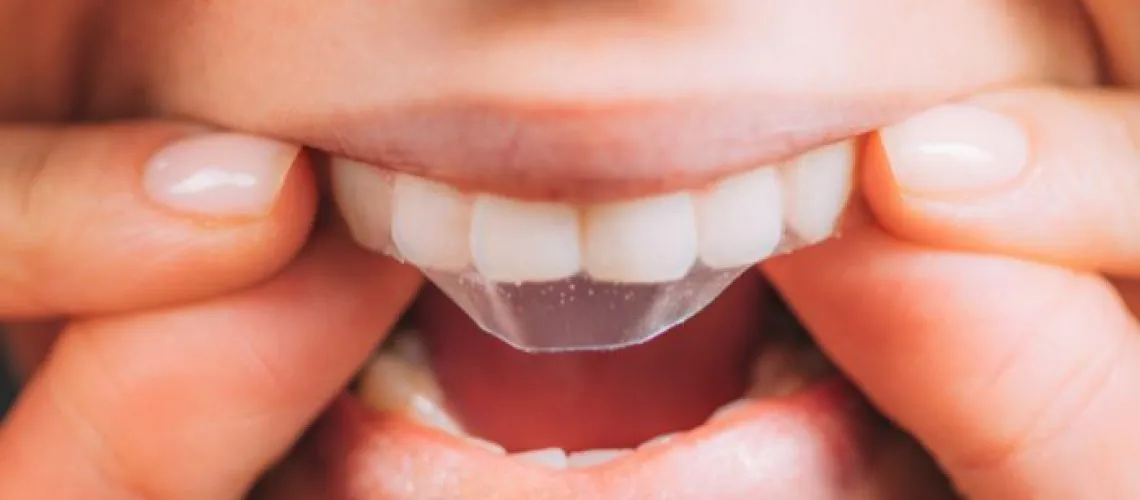
Whitening strips are designed to adhere to the teeth and deliver the whitening agent directly to the enamel. They’re typically made of a thin, flexible plastic strip coated with a gel containing the active whitening ingredients. The strips are applied to the teeth, covering the visible surfaces, and left in place for a specified amount of time, as directed by the product instructions. During this period, the active ingredients work to oxidize the stain molecules within the enamel, gradually lightening the color of the teeth. The effectiveness of the strips depends on factors such as the concentration of the active ingredients, the duration of application, and the frequency of use. It’s important to follow the instructions carefully to avoid overuse, which can exacerbate sensitivity.
The Process of Tooth Whitening
The whitening process involves the peroxide penetrating the porous enamel and reacting with the discolored molecules. This reaction breaks down the stains into smaller, less noticeable particles, making the teeth appear whiter. This process can cause temporary changes in the tooth’s structure, leading to increased sensitivity. The intensity of the whitening process and the resulting sensitivity depend on the concentration of the active ingredients and the duration of application. The strips effectively target surface stains, but they don’t typically address stains deep within the tooth structure, which may require professional treatments. Regular use, while effective, can increase the risk of sensitivity. Following the manufacturer’s instructions carefully and consulting with a dentist can help manage potential discomfort and ensure the safety of the whitening process.
Why Do Whitening Strips Cause Pain

Sensitivity from whitening strips occurs through several mechanisms, primarily due to the action of the peroxide on the tooth’s structure and nerve endings. The peroxide can dehydrate the enamel and make it more porous, allowing external stimuli like hot or cold temperatures to reach the nerves more easily. This leads to the sensation of sensitivity. Moreover, the chemical reaction itself can irritate the soft tissues around the teeth, including the gums. Some people may experience gum inflammation or irritation, which contributes to overall discomfort. Several factors influence the degree of sensitivity, including the individual’s tooth sensitivity, the concentration of the whitening agent, and the duration and frequency of use. Understanding the underlying causes of sensitivity is essential for taking appropriate measures to minimize the pain.
Enamel Erosion and Sensitivity
The enamel is the hard, protective outer layer of the tooth. While whitening strips don’t typically cause significant enamel erosion when used as directed, the whitening process can temporarily affect the enamel’s structure. The peroxide in the strips can make the enamel more porous, making it more susceptible to external stimuli and leading to increased sensitivity. Frequent or excessive use of whitening strips can potentially weaken the enamel over time, increasing the risk of erosion and sensitivity. People with pre-existing enamel erosion or thin enamel are especially vulnerable to increased sensitivity. It’s crucial to monitor your teeth for signs of enamel damage and to follow the manufacturer’s instructions carefully to avoid overuse and minimize the risk of enamel erosion.
Gum Irritation and Receding Gums
The chemicals in whitening strips can also irritate the gums. If the gel comes into contact with the gum tissue, it can cause inflammation, redness, and discomfort. This irritation is usually temporary, but it can be quite unpleasant. In some cases, especially with improper application or overuse, whitening strips can contribute to gum recession. When the gums recede, the root surfaces of the teeth become exposed, which are more sensitive than the enamel-covered crowns. This can lead to increased sensitivity and discomfort. Proper application, avoiding contact with the gums, and adhering to the recommended usage guidelines can help minimize gum irritation and reduce the risk of gum recession.
Other Side Effects

Apart from tooth sensitivity and gum irritation, other side effects associated with whitening strips include temporary changes in taste and, in rare cases, allergic reactions. Some individuals may experience a metallic or altered taste in their mouth during or after using the strips. This is usually temporary and resolves quickly after the treatment. Allergic reactions are uncommon but can occur. Symptoms may include swelling, itching, or rash. If you experience any signs of an allergic reaction, it’s essential to discontinue use immediately and consult a dentist or healthcare professional. It is important to be aware of all potential side effects to make informed decisions and manage any discomfort effectively.
How to Minimize Pain from Whitening Strips
Several strategies can help reduce sensitivity and discomfort when using whitening strips. Choosing the right product, applying the strips correctly, and maintaining good oral hygiene are all important factors in minimizing potential pain. It is often possible to enjoy a brighter smile with minimal discomfort by taking these precautions. Additionally, understanding your own sensitivity levels and adjusting your approach accordingly can make a significant difference. Here are some practical tips to help you use whitening strips with greater comfort.
Choosing the Right Strips
Selecting the appropriate whitening strips is the first step in minimizing sensitivity. Consider the concentration of the active ingredients, such as hydrogen peroxide. If you have sensitive teeth, opt for strips with lower concentrations (around 6-10%) of hydrogen peroxide. These may provide a slower but gentler whitening effect. Look for products specifically designed for sensitive teeth, which often contain desensitizing agents like potassium nitrate or fluoride to help reduce sensitivity. Read reviews and seek recommendations from your dentist to choose a product that suits your needs and sensitivity levels. It’s also a good idea to start with a shorter treatment duration to assess how your teeth react before increasing the frequency or duration of use. Consider asking your dentist for advice on the best product for your situation.
Proper Application Techniques

Proper application is crucial for minimizing the risk of sensitivity. Before applying the strips, brush your teeth gently to remove any surface debris, but avoid brushing immediately before, as this can increase sensitivity. Carefully apply the strips, ensuring they cover the visible surfaces of your teeth and avoiding contact with your gums. Excess gel on the gums can cause irritation. Follow the manufacturer’s instructions for the recommended duration of use. Overuse can significantly increase sensitivity. After removing the strips, rinse your mouth with water. Avoid eating or drinking for at least 30 minutes after application to allow the enamel to rehydrate. Using these techniques will help to limit your exposure to the whitening agents.
Oral Hygiene Tips
Maintaining good oral hygiene is essential for managing sensitivity and protecting your teeth. Use a soft-bristled toothbrush to avoid irritating your gums and enamel. Brush gently, especially after using whitening strips. Consider using a toothpaste specifically designed for sensitive teeth. These toothpastes typically contain ingredients like potassium nitrate or stannous fluoride, which help to block the tubules in the dentin and reduce sensitivity. Floss daily to remove plaque and food particles from between your teeth, which can help to maintain healthy gums. Avoid acidic foods and drinks, which can exacerbate sensitivity. Regularly visit your dentist for check-ups and professional cleanings to maintain optimal oral health. Following these practices can support overall oral health and minimize discomfort while using whitening strips.
When to Consult a Dentist
If you experience excessive pain or persistent sensitivity, it’s important to consult a dentist. While some sensitivity is normal, severe or prolonged pain may indicate an underlying dental issue that needs attention. A dentist can evaluate your teeth and gums, determine the cause of your sensitivity, and recommend appropriate treatments. They can also advise you on whether whitening strips are suitable for your specific situation. Ignoring severe sensitivity can potentially lead to more serious dental problems. Regular dental check-ups can also help to identify any issues early and allow for timely intervention, which may save you from more discomfort in the future.
Signs of Serious Issues

Some symptoms warrant immediate consultation with a dentist. These include severe tooth pain, pain that lasts for more than a few days after using the strips, and any signs of gum infection or inflammation. If you notice bleeding gums, increased sensitivity to hot or cold foods and drinks, or visible changes in your teeth or gums, such as discoloration or swelling, seek professional dental care promptly. These symptoms could indicate underlying problems, such as cavities, gum disease, or enamel erosion, which require professional treatment. It is important to take any severe symptoms seriously and consult with a dentist for proper diagnosis and treatment.
Professional Alternatives
If you experience excessive sensitivity with whitening strips, a dentist can offer professional alternatives. Professional teeth whitening treatments, such as in-office whitening, involve stronger bleaching agents and can be performed under controlled conditions, allowing for more effective whitening with potentially less sensitivity. Your dentist can also create custom-fitted trays for at-home whitening, which offer better control over the amount of whitening agent used and may reduce sensitivity. They may also recommend alternative whitening options that use different ingredients or methods, such as toothpastes or gels that are gentler on sensitive teeth. Consult your dentist to find the best option for your specific needs.
Conclusion
Whitening strips can be an effective way to brighten your smile, but it’s essential to understand the potential for teeth sensitivity and take appropriate precautions. While some sensitivity is common, it can often be managed by choosing the right product, following the instructions carefully, and maintaining good oral hygiene. If you experience severe or persistent pain, consulting a dentist is crucial to rule out any underlying dental issues and explore professional alternatives. By staying informed, taking preventive measures, and seeking professional advice when needed, you can achieve a brighter smile while protecting your oral health. Always prioritize the health and well-being of your teeth and gums, and consult your dentist for personalized recommendations.