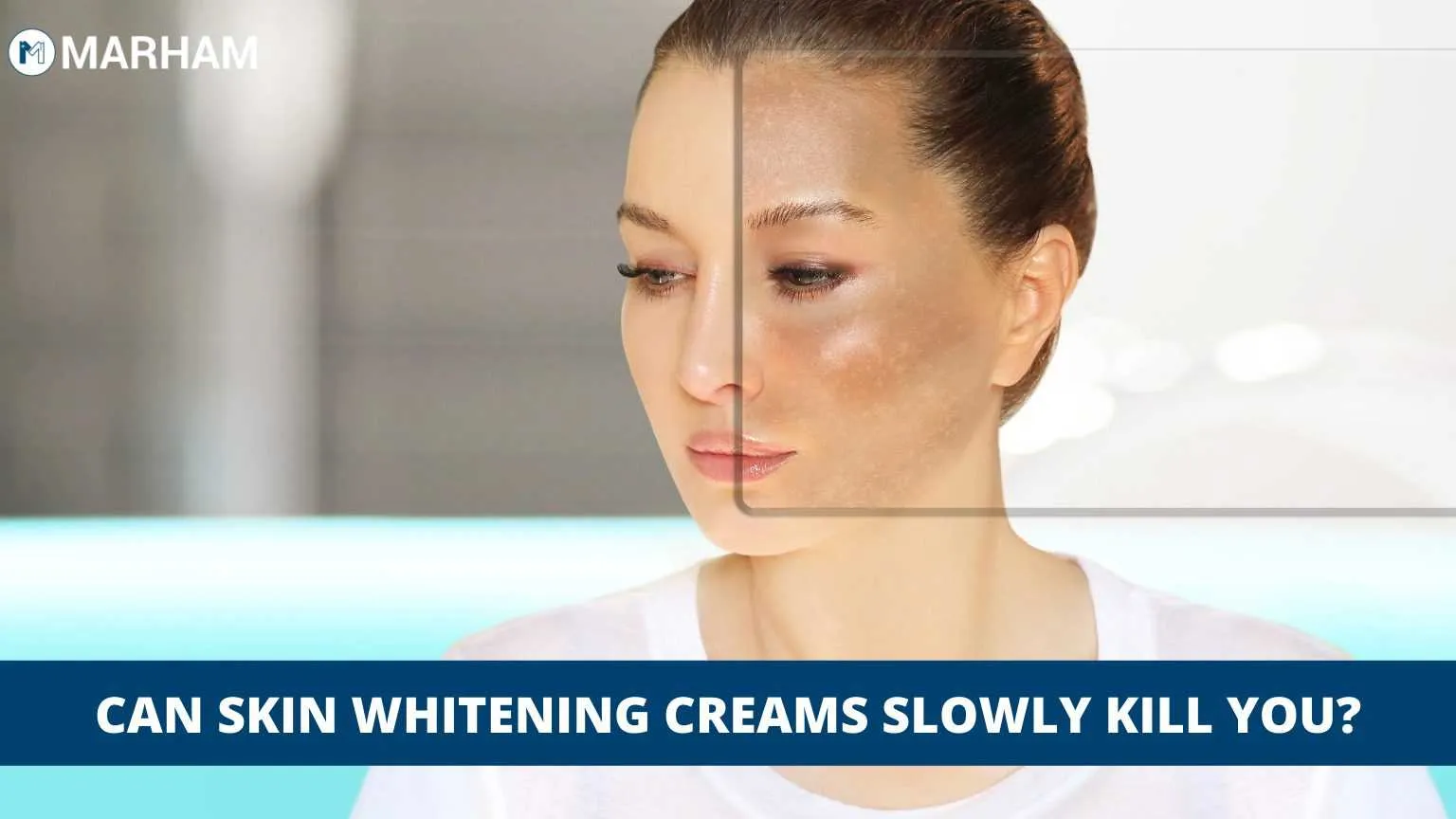
Understanding Whitening Creams
Whitening creams, also known as skin-lightening creams, are cosmetic products designed to reduce the melanin pigment in the skin, leading to a lighter complexion. They are widely used to address various skin concerns, including dark spots, hyperpigmentation, acne scars, and uneven skin tone. The mechanisms of action often involve inhibiting tyrosinase, an enzyme crucial in melanin production. While these creams promise brighter, more even-toned skin, it’s crucial to understand their components and potential risks before use. The demand for these products is significant across different demographics and cultures, driven by aesthetic preferences and perceived beauty standards. This necessitates a clear understanding of both the benefits and the potential side effects.
The popularity of whitening creams has led to a diverse range of formulations, each with varying levels of efficacy and safety. Many creams are available over-the-counter, while others require a prescription from a dermatologist. These creams can differ significantly in their active ingredients and the concentrations used. Consequently, a comprehensive knowledge of the ingredients is essential. The proper application and usage of whitening creams are critical, as misuse can exacerbate side effects or lead to complications. It is also important to consider the underlying causes of skin discoloration. Sometimes, skin discoloration is a symptom of a more significant medical issue.
Common Ingredients in Whitening Creams
Whitening creams contain a variety of active ingredients that work to lighten the skin. Hydroquinone is one of the most potent and widely used agents. It functions by inhibiting tyrosinase, a critical enzyme in melanin production. Topical corticosteroids are sometimes added to reduce inflammation associated with other ingredients. Retinoids, derived from vitamin A, can also enhance skin turnover and lighten the skin, often used in conjunction with other agents. Other common ingredients include kojic acid, which is derived from fungi and inhibits melanin production, and arbutin, a natural compound derived from the bearberry plant, that also works to inhibit tyrosinase. Vitamin C, a powerful antioxidant, can brighten skin and provide other benefits. Each ingredient has its own mechanisms of action, benefits, and potential side effects, requiring careful consideration when choosing a whitening cream.
The concentration of active ingredients varies, influencing their effectiveness and the likelihood of side effects. Over-the-counter products generally have lower concentrations of ingredients like hydroquinone, while prescription formulations may have higher concentrations. The choice of ingredients and their concentrations depend on the specific skin concern and the individual’s skin type. Some creams may combine multiple active ingredients to achieve a synergistic effect. The use of these ingredients should always be coupled with sun protection and moisturizing, as the skin can become more sensitive and prone to damage. Always carefully review the product labels and consult with a dermatologist to choose the most appropriate product.
Hydroquinone Side Effects
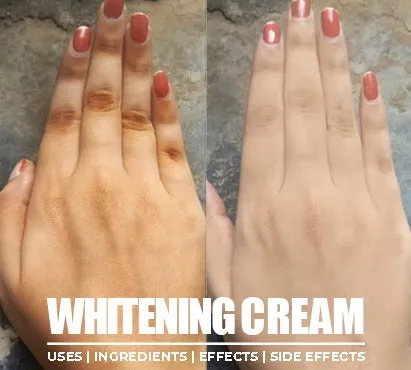
Hydroquinone, although effective, is associated with several potential side effects. The most common of these is skin irritation, which can manifest as redness, itching, and burning sensations. Prolonged use, especially at higher concentrations, can lead to more severe reactions. Another significant side effect is ochronosis, a condition characterized by the darkening of the skin, making it appear bluish-black. It’s often irreversible and a significant cosmetic concern. Hydroquinone can also increase the skin’s sensitivity to sunlight, leading to sunburn and other sun-related damage. Due to the potential risks, hydroquinone is often used under strict medical supervision. Its use should be limited to a short duration and combined with sun protection.
The risks associated with hydroquinone have prompted regulatory actions in various countries. Some regions have banned or restricted the use of high-concentration hydroquinone products. This has led to the development of alternative skin-lightening agents that aim to provide similar results with reduced risks. Despite its efficacy, hydroquinone’s use requires careful consideration of its potential adverse effects. The balance between its benefits and risks should be discussed with a dermatologist. The dermatologist can monitor the skin and adjust the treatment plan as necessary.
Skin Irritation and Inflammation
Skin irritation and inflammation are frequent side effects associated with whitening creams. These reactions can be triggered by various ingredients, including hydroquinone, retinoids, and some chemical exfoliants. Symptoms of irritation include redness, itching, burning, and peeling of the skin. In severe cases, inflammation can lead to blistering and skin breakdown. The likelihood of these reactions depends on the concentration of active ingredients, the individual’s skin sensitivity, and the duration of use. Improper application, such as using excessive amounts of the cream or applying it too frequently, can worsen the irritation.
To mitigate these effects, it is crucial to follow the product instructions carefully. Starting with a lower concentration of the active ingredient and gradually increasing it as tolerated may reduce the risk of irritation. Using a moisturizer to hydrate and soothe the skin can also help. Regular use of sunscreen is also essential to protect the skin from sun damage. If irritation becomes severe, it’s crucial to discontinue use and consult a dermatologist. The dermatologist can assess the severity of the reaction and recommend appropriate treatments, such as topical corticosteroids or emollients.
Allergic Reactions and Sensitivity
Allergic reactions and skin sensitivity are potential adverse effects of whitening creams. Allergic reactions can be triggered by various ingredients, including preservatives, fragrances, or specific active agents. Symptoms can range from mild skin irritation to more severe reactions, such as hives, swelling, and difficulty breathing. Sensitivity to the sun is also a common issue when using these creams, making the skin more vulnerable to sunburn. Individuals with sensitive skin are generally at a higher risk of experiencing allergic reactions and sensitivity. Patch testing before widespread use can help identify potential allergens or irritants.
To minimize the risk, carefully review the ingredient list. Choosing products formulated for sensitive skin and avoiding those with known allergens is crucial. Using a broad-spectrum sunscreen with a high SPF is essential to protect against sun-induced sensitivity. If an allergic reaction occurs, discontinue the use of the cream immediately. Seek medical attention if the reaction is severe. Consulting a dermatologist for allergy testing and guidance on suitable products is recommended. This helps ensure that the chosen whitening cream aligns with skin sensitivities, minimizing potential risks.
Exogenous Ochronosis

Exogenous ochronosis is a severe and potentially irreversible side effect associated with the prolonged use of hydroquinone. This condition is characterized by the darkening of the skin, resulting in a bluish-black discoloration. The affected areas can appear mottled, and the skin may develop small, dark bumps. Ochronosis occurs when hydroquinone alters the structure of collagen and elastic fibers in the skin. It is a significant cosmetic concern, as the discoloration can be disfiguring and difficult to treat. The risk of developing ochronosis increases with the concentration of hydroquinone and the duration of use.
The treatment options for exogenous ochronosis are limited and often provide only partial improvement. These can include laser therapy, chemical peels, and the use of topical retinoids. Prevention is crucial, which involves avoiding the long-term use of hydroquinone, especially at high concentrations. Regular monitoring by a dermatologist is essential if hydroquinone is used. The dermatologist can assess the skin for any signs of ochronosis. If ochronosis develops, early detection and prompt treatment can help minimize the severity of the condition and improve the outcome.
Other Potential Side Effects
Besides the common side effects, whitening creams can cause other potential adverse effects. These can include changes in skin texture, such as thinning or increased fragility, particularly with prolonged use of corticosteroids. Acne or acne-like eruptions may occur due to the blockage of pores by certain ingredients. Scarring and delayed wound healing can also be potential risks, especially if the skin is already compromised. The long-term safety of some ingredients is not fully established, and more research is needed. The use of multiple whitening products simultaneously can increase the risk of side effects, as the combination of ingredients may interact negatively. It’s crucial to be aware of all the ingredients in the product and to use them responsibly.
To minimize these risks, users should always adhere to the product instructions and consult with a dermatologist. Patch testing can help identify potential sensitivities. Regular monitoring of skin changes and prompt reporting of any unusual symptoms is crucial. Combining whitening creams with other skin treatments should be done under medical supervision. This helps ensure that the treatments are compatible and do not increase the risk of adverse reactions. The ultimate goal is to achieve the desired skin lightening effects while minimizing the potential for long-term health consequences.
Consulting a Dermatologist
Consulting a dermatologist before using whitening creams is strongly recommended. A dermatologist can assess your skin type, identify the underlying causes of any discoloration, and recommend the most appropriate treatment plan. They can also evaluate the ingredients in the products, considering your skin sensitivities and potential risks. The dermatologist can advise on the proper use of the creams, including the concentration, duration of use, and application frequency. Regular follow-up appointments with a dermatologist allow for monitoring of the skin. The dermatologist can detect any early signs of adverse effects and adjust the treatment plan as necessary.
Dermatologists are also skilled in managing and treating any side effects that may arise from the use of whitening creams. They can provide guidance on sun protection and other supportive measures to minimize the risks associated with these products. The expertise of a dermatologist ensures that you receive safe and effective skin-lightening treatments. Choosing the right products and using them correctly, under professional guidance, provides the best chance of achieving your skin goals while minimizing the risks. Consulting a dermatologist is essential for anyone considering using whitening creams. They can help you make an informed decision and safeguard your skin health.