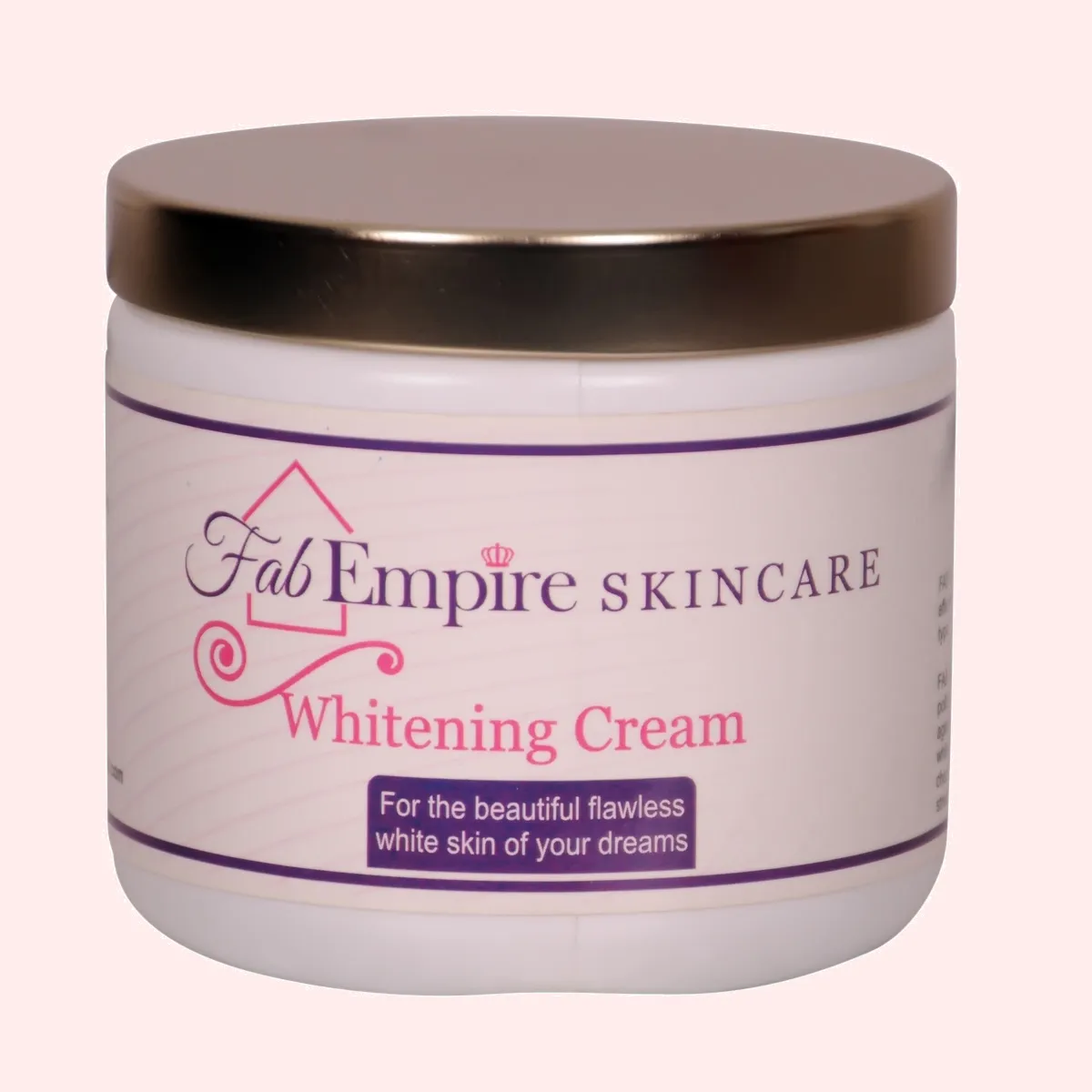
What is Whitening Cream
Whitening creams, also known as skin-lightening or skin-brightening creams, are cosmetic products designed to reduce the melanin pigment in the skin. The primary goal of these creams is to even out skin tone, diminish the appearance of dark spots, hyperpigmentation, and other discolorations, ultimately promoting a more radiant and glowing complexion. These creams work by targeting the melanin production process, inhibiting the enzyme tyrosinase, which is crucial for melanin synthesis. By reducing melanin, the skin appears lighter and more uniform. Whitening creams are available in various formulations, including lotions, serums, and creams, and can be used on different parts of the body, such as the face, hands, and other areas affected by pigmentation issues. It’s important to note that while these creams can be effective, results vary depending on the individual’s skin type, the specific ingredients used, and consistent application.
Ingredients in Whitening Creams
Whitening creams utilize a range of active ingredients to achieve their effects. These ingredients work synergistically to reduce melanin production and promote a brighter complexion. Understanding the primary ingredients helps you make informed choices when selecting a whitening cream. The effectiveness and safety of a whitening cream often depend on the specific ingredients and their concentrations. Many products combine multiple active ingredients to enhance their effectiveness. It is always recommended to perform a patch test before widespread application, particularly with products containing potent ingredients, to ensure they are well-tolerated by your skin. Always consult with a dermatologist for personalized advice on choosing and using whitening creams, especially if you have sensitive skin or any pre-existing skin conditions.
Hydroquinone

Hydroquinone is a widely recognized and potent skin-lightening agent. It works by inhibiting the enzyme tyrosinase, which is essential for melanin production. By blocking this enzyme, hydroquinone effectively reduces the amount of melanin in the skin, leading to a lighter and more even skin tone. Hydroquinone is often prescribed by dermatologists and is available in various concentrations. However, due to its potential side effects, such as skin irritation and ochronosis (a condition where the skin turns bluish-gray), it is often used under medical supervision. The use of hydroquinone is typically limited to short-term periods. Furthermore, it is crucial to use sun protection while using hydroquinone, as the skin becomes more susceptible to sun damage. Always follow the dermatologist’s instructions to minimize potential risks and maximize the benefits. Due to its potency, hydroquinone is often found in prescription-strength formulations.
Retinoids
Retinoids, derived from vitamin A, are another class of ingredients frequently used in whitening creams. They work by accelerating skin cell turnover, promoting the shedding of pigmented cells, and revealing newer, lighter skin underneath. Retinoids also help reduce the appearance of dark spots and hyperpigmentation. They can also stimulate collagen production, which can improve skin texture and reduce the signs of aging. Retinoids are available in various forms, including retinol (a milder form) and tretinoin (a more potent form). While effective, retinoids can cause side effects such as redness, dryness, and peeling, especially when first used. It is essential to start with a low concentration and gradually increase it to allow the skin to adjust. Sun protection is crucial when using retinoids, as they make the skin more sensitive to the sun. The best way to incorporate retinoids into your skincare routine is with the guidance of a dermatologist to monitor the skin and provide personalized advice.
Vitamin C
Vitamin C, a powerful antioxidant, is also a popular ingredient in whitening creams. It works by inhibiting melanin production and protecting the skin from free radical damage. Vitamin C also helps brighten the skin, even out skin tone, and reduce the appearance of dark spots. It is available in various forms, such as ascorbic acid, which is the most potent form, and its derivatives. Vitamin C is generally well-tolerated but can cause irritation for some people, especially when used in high concentrations. It is often combined with other ingredients, such as vitamin E and ferulic acid, to enhance its effectiveness and stability. When using vitamin C, it is important to store the product in a cool, dark place and to use it within its shelf life, as it can degrade over time. Moreover, incorporate vitamin C into your skincare routine gradually to assess your skin’s tolerance, and always follow the product instructions.
Benefits of Whitening Cream

Whitening creams provide several benefits that can significantly improve the appearance and health of the skin. Firstly, these creams effectively reduce hyperpigmentation, such as dark spots, sunspots, and age spots, leading to a more even skin tone. They also help diminish the appearance of acne scars and other blemishes. Furthermore, whitening creams can brighten the complexion, making the skin appear more radiant and youthful. Many whitening creams also contain ingredients that promote skin hydration and reduce the signs of aging. By reducing melanin production, they can minimize the effects of sun damage. In addition to the cosmetic benefits, whitening creams can boost your confidence and self-esteem by improving your skin’s appearance. Consistent use, combined with proper skincare practices, can lead to healthier and more vibrant-looking skin. However, always be mindful of potential side effects and follow the product instructions carefully. Consulting a dermatologist is also recommended to determine the best product for your skin type and needs.
How Whitening Cream Works
Whitening creams work through various mechanisms to achieve their skin-lightening effects. The primary mechanism involves inhibiting the enzyme tyrosinase, which is essential for melanin production. Melanin is the pigment responsible for skin color; reducing its production results in lighter skin. Certain ingredients, like hydroquinone, are potent tyrosinase inhibitors. Other ingredients, such as retinoids, promote skin cell turnover, accelerating the shedding of pigmented cells and revealing newer, lighter skin. Vitamin C, a powerful antioxidant, inhibits melanin production while also protecting the skin from free radical damage. Some creams also contain ingredients that block the transfer of melanin from melanocytes to keratinocytes, which prevents the pigment from reaching the skin’s surface. The effectiveness of whitening creams depends on the specific ingredients, their concentrations, and consistent application. To achieve the best results, follow the product instructions carefully, use sun protection, and consider consulting with a dermatologist for personalized advice.
Choosing the Right Whitening Cream
Selecting the right whitening cream is essential for achieving desired results and avoiding potential side effects. The best cream for you will depend on your skin type, skin tone, and specific concerns. Understanding your skin type (oily, dry, combination, or sensitive) is crucial. Oily skin might benefit from lighter formulations, while dry skin may require a richer cream. Also, consider your skin tone. Those with darker skin tones may need more potent ingredients to see noticeable results. Always check the ingredient list and avoid products with ingredients you are allergic to or have had reactions to in the past. Look for creams containing ingredients like vitamin C, niacinamide, or azelaic acid if you prefer gentler alternatives. Consulting a dermatologist is highly recommended, as they can assess your skin and recommend products tailored to your needs. Starting with a lower concentration of active ingredients and gradually increasing it can help minimize irritation. Always perform a patch test before applying the cream to a large area of skin to check for adverse reactions. Remember that patience and consistency are key when using whitening creams, and results may take several weeks or months to appear. Always prioritize sun protection to prevent further pigmentation and protect your skin.
Skin Type

Your skin type plays a crucial role in determining the most suitable whitening cream for you. Oily skin tends to produce excess sebum, which can clog pores and lead to breakouts. For oily skin, it’s advisable to choose lightweight, oil-free, or gel-based formulations. These formulations are less likely to clog pores and can help reduce shine. Dry skin lacks moisture and can be prone to flakiness and irritation. For dry skin, select richer, cream-based products that contain moisturizing ingredients, such as hyaluronic acid or ceramides. These ingredients will help hydrate the skin and prevent further dryness. Combination skin has both oily and dry areas. You can apply a lighter cream to oily areas and a richer cream to dry areas. If you have sensitive skin, you should avoid products with harsh ingredients like high concentrations of hydroquinone or strong retinoids. Look for gentle formulations with soothing ingredients. Consulting a dermatologist can help you determine your skin type and recommend the best products for your specific needs.
Skin Tone
Skin tone is an important factor when choosing a whitening cream. Individuals with darker skin tones may require creams with more potent ingredients and higher concentrations to achieve noticeable results. It’s crucial to manage expectations, as the results may vary depending on your natural skin tone and the level of pigmentation. When choosing a whitening cream, consider the specific concerns you have, such as dark spots, uneven skin tone, or overall brightening. Different products may be more effective for specific issues. Start with a lower concentration of active ingredients and gradually increase the concentration if needed. It’s essential to be patient and consistent in your application, as it may take several weeks or months to see significant results. For darker skin tones, consulting a dermatologist is highly recommended. They can provide personalized advice on product selection, usage, and address any potential side effects. Remember that achieving a uniform and radiant complexion is possible with the right skincare approach and consistent application.
Sun Protection
Sun protection is an indispensable part of any skincare routine, especially when using whitening creams. The active ingredients in these creams can make your skin more sensitive to the sun, increasing the risk of sunburn, further pigmentation, and skin damage. Therefore, wearing sunscreen daily is vital to protect your skin. Choose a broad-spectrum sunscreen with an SPF of 30 or higher. Apply sunscreen generously to all exposed skin areas about 15-20 minutes before sun exposure and reapply every two hours, or more often if you are swimming or sweating. In addition to sunscreen, consider other sun protection methods, such as wearing protective clothing (hats, long sleeves, and pants), seeking shade during peak sun hours (typically between 10 am and 4 pm), and avoiding tanning beds. Consistent use of sunscreen not only helps protect your skin from sun damage but also helps maintain the results of your whitening cream by preventing new pigmentation from forming. Sun protection is especially important when using ingredients like hydroquinone or retinoids, which make your skin more susceptible to the sun’s harmful rays. Make sunscreen a daily habit, and your skin will thank you.
Applying Whitening Cream

Proper application of whitening cream is essential to achieve the best results and minimize potential side effects. Begin with a clean face. Wash your face gently with a mild cleanser and pat it dry. Apply a small amount of the cream to the affected areas. Start with a thin layer and gradually increase the amount as your skin adjusts to the product. Use your fingertips to gently massage the cream into your skin, using upward and outward motions. Avoid rubbing vigorously, as this can irritate the skin. Apply the cream evenly to the areas you want to treat, ensuring complete coverage. Apply the cream according to the product instructions. Some creams may need to be applied once or twice daily, while others may only be applied at night. Always follow the specific instructions on the product label. After applying the cream, apply a broad-spectrum sunscreen with an SPF of 30 or higher, especially during the day. This will protect your skin from further sun damage and maintain the results of the cream. Be patient and consistent. It can take several weeks or months to see noticeable results, depending on the cream and your skin type.
Step-by-Step Guide
To apply whitening cream effectively, follow these step-by-step instructions. Start by cleansing your face with a gentle cleanser suitable for your skin type. Rinse thoroughly and pat your skin dry with a soft towel. Apply the whitening cream to the affected areas only, such as dark spots or uneven skin tone. Use a small amount of cream and gently massage it into your skin using your fingertips. Apply in a thin, even layer, avoiding the eye area. Allow the cream to fully absorb into your skin before applying any other products. If using the cream during the day, apply a broad-spectrum sunscreen with an SPF of 30 or higher. Reapply sunscreen every two hours or as needed. For best results, use the whitening cream regularly as directed on the product label. Be patient and consistent with your application. Monitor your skin for any signs of irritation or adverse reactions. If you experience any, discontinue use and consult a dermatologist. Follow these steps to achieve the desired skin-lightening effects and maintain healthy, glowing skin. Always ensure you’re applying the product to clean, dry skin.
Potential Side Effects
Whitening creams, while beneficial for some, can cause a range of side effects. Common side effects include skin irritation, redness, dryness, and peeling. These reactions are especially common with creams containing potent ingredients like retinoids. Some individuals may experience skin sensitivity, making their skin more susceptible to sun damage. In rare cases, prolonged use of certain whitening creams, especially those containing hydroquinone, can lead to ochronosis, a condition where the skin turns bluish-gray. Other potential side effects include contact dermatitis (an allergic reaction) and changes in skin pigmentation. To minimize the risk of side effects, always start with a small amount of the cream and gradually increase it. Perform a patch test on a small area of skin before widespread application. Use sunscreen daily to protect your skin from sun damage. If you experience persistent or severe side effects, such as severe irritation, blistering, or changes in skin color, discontinue use and consult a dermatologist. Understanding the potential side effects and taking preventive measures will help you use whitening creams safely and effectively.
Alternatives to Whitening Cream
If you are looking for alternatives to whitening creams, several options can help you achieve a brighter and more even skin tone. Chemical peels, performed by dermatologists or trained professionals, use chemical solutions to exfoliate the skin and reduce hyperpigmentation. Microdermabrasion is another option that uses a minimally abrasive instrument to gently sand the skin, removing the thicker, uneven outer layer. Laser treatments, such as IPL (intense pulsed light) therapy, can target and break down melanin to reduce dark spots and uneven skin tone. Topical treatments with ingredients like vitamin C, niacinamide, and azelaic acid are gentler alternatives to whitening creams and can help brighten the skin. Always consult with a dermatologist to determine the best alternatives based on your skin type, concerns, and desired results. Remember that consistency and patience are essential, no matter which method you choose. Proper sun protection is crucial in maintaining a bright and even complexion. By exploring these alternatives, you can find the best approach to achieving your skincare goals.
In conclusion, whitening creams offer a pathway to achieving a more radiant and even skin tone. However, it’s important to approach their use with knowledge and caution. From understanding the key ingredients to choosing the right product for your skin type and concerns, making informed decisions is essential. This article explored the various facets of whitening creams, from their benefits and mechanisms to application methods and potential side effects. Remember to always prioritize sun protection and consult with a dermatologist to develop a personalized skin care plan. With the right approach, you can unlock the potential of whitening creams while maintaining healthy and glowing skin.