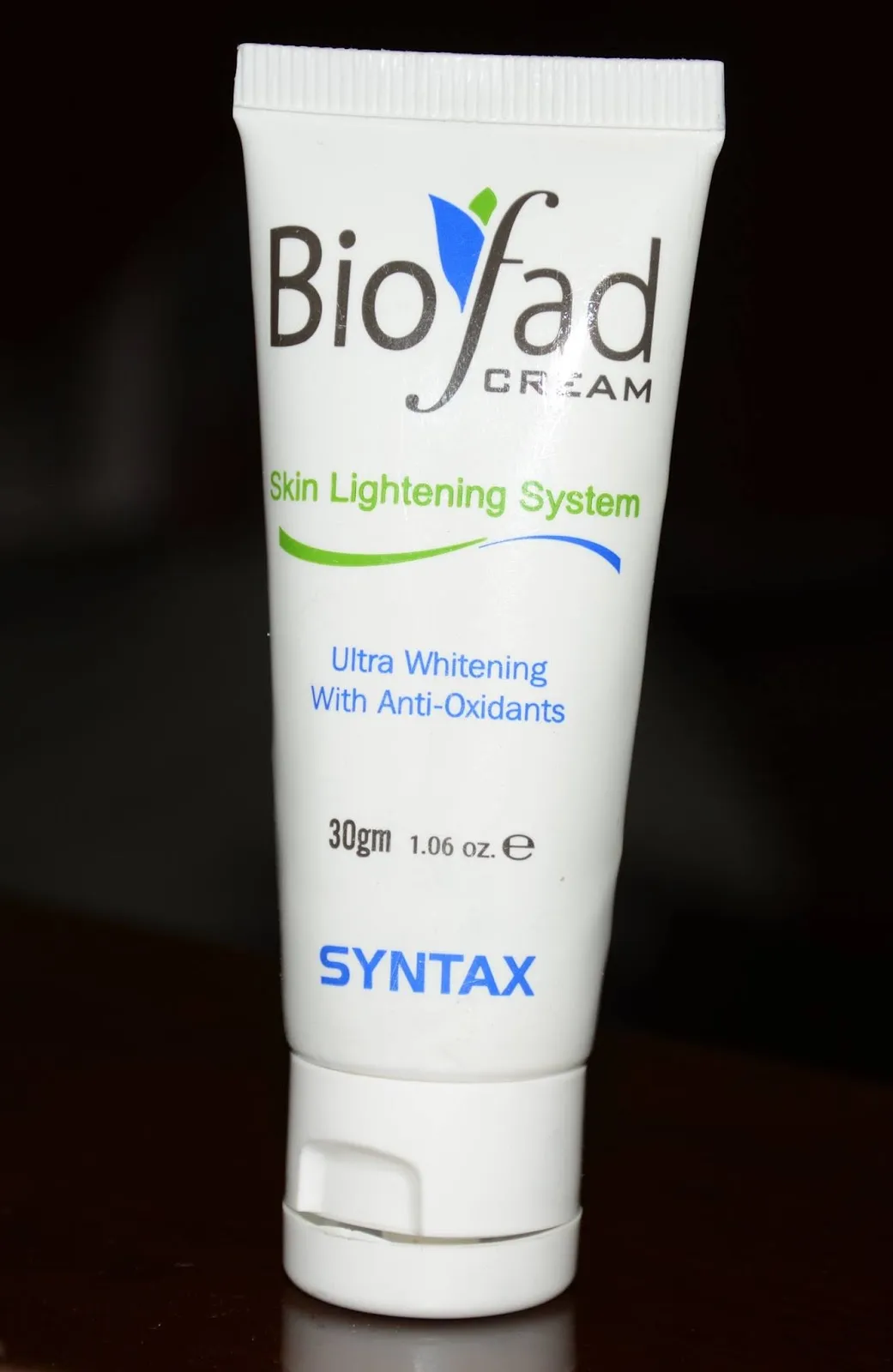
Understanding Whitening Cream and Its Benefits
Whitening creams have gained immense popularity in the realm of skincare, primarily due to their potential to address uneven skin tone, hyperpigmentation, and overall skin dullness. These creams work by targeting the production of melanin, the pigment responsible for skin color. By reducing melanin production, whitening creams aim to lighten the skin and diminish the appearance of dark spots, blemishes, and discoloration. The benefits extend beyond mere aesthetics, often boosting self-confidence and providing a more even and radiant complexion. However, it is essential to approach the use of whitening creams with a comprehensive understanding of their ingredients, application methods, and potential side effects to ensure safe and effective results. The market offers a vast array of options, each boasting unique formulations and targeted benefits, making informed choices crucial for achieving desired outcomes without compromising skin health. Proper research and consultation with a dermatologist can help users navigate the complexities of these products and make the most appropriate selection for their specific needs.
What is Whitening Cream
At its core, whitening cream is a cosmetic product formulated to lighten skin tone or reduce the appearance of dark spots and uneven pigmentation. These creams typically contain active ingredients that interfere with melanin production, the natural pigment responsible for skin color. The formulations vary widely, encompassing a range of ingredients that target different steps in the melanin synthesis process. Whitening creams are not intended to fundamentally alter skin type but rather to modulate its color and uniformity. It’s important to distinguish whitening creams from products that simply exfoliate or hydrate the skin; the primary mechanism of action involves affecting the melanocytes, the cells responsible for producing melanin. The specific ingredients and their concentrations are key differentiators, influencing both the effectiveness and the potential side effects of the product. Understanding the underlying principles of how these creams work helps users to set realistic expectations and make informed choices about their skincare routine.
How Whitening Creams Work

Whitening creams function through various mechanisms, all centered on reducing melanin production or accelerating its removal. Many creams inhibit tyrosinase, an enzyme crucial for melanin synthesis. By blocking tyrosinase, these creams decrease the amount of melanin produced, leading to a gradual lightening of the skin. Other ingredients work by exfoliating the skin, which helps to slough off pigmented cells, revealing brighter skin underneath. Some formulations may also contain ingredients that act as antioxidants, protecting the skin from environmental damage that can contribute to hyperpigmentation. The efficacy of a whitening cream depends on the specific active ingredients and their concentrations, as well as the individual’s skin type and the underlying cause of the pigmentation issues. Consistent use, coupled with sun protection, is critical for achieving and maintaining desired results. This combined approach ensures that the skin is not only lightened but also protected from further damage.
Key Ingredients to Look For in Whitening Cream
When selecting a whitening cream, it’s essential to scrutinize the ingredient list. Several key ingredients have proven efficacy in skin brightening. Hydroquinone is a potent skin-lightening agent that inhibits melanin production, but it requires careful usage due to potential side effects and is often available only by prescription. Kojic acid, derived from fungi, also inhibits tyrosinase and is a popular alternative. Vitamin C, a powerful antioxidant, not only brightens skin but also protects against free radical damage. Niacinamide, a form of vitamin B3, can reduce hyperpigmentation and improve skin texture. Arbutin, a natural derivative of hydroquinone, is known for its gentler approach to skin lightening. Always look for products that list these ingredients prominently and are manufactured by reputable brands. It’s also advisable to consult a dermatologist before incorporating a new whitening cream into your skincare routine.
Effective Ingredients for Skin Brightening
Beyond the core ingredients, many other substances contribute to skin brightening. Alpha hydroxy acids (AHAs), such as glycolic and lactic acid, help exfoliate the skin, removing dead cells and revealing a brighter complexion. Retinoids, derived from vitamin A, stimulate cell turnover and can also reduce the appearance of dark spots and uneven skin tone. Azelaic acid, found in grains, is known for its anti-inflammatory properties and can help lighten skin and reduce redness. Licorice extract contains glabridin, a compound that inhibits tyrosinase. These ingredients, when used in combination, often enhance the effectiveness of the whitening cream. It’s important to start with a low concentration of these ingredients and gradually increase the strength to avoid irritation. Sun protection is essential when using products with these ingredients, as they can make your skin more sensitive to the sun. Always perform a patch test before widespread use to ensure you do not have a negative reaction.
Ingredients to Avoid

While some ingredients effectively lighten skin, others pose risks. Mercury is a highly toxic heavy metal often found in some unregulated whitening creams. It can cause serious health problems, including kidney damage and neurological issues. Avoid any product that lists mercury or mercurous chloride. High concentrations of hydroquinone without proper medical supervision can also lead to skin irritation and ochronosis, a condition causing a bluish-black discoloration of the skin. Similarly, products containing harsh chemicals or excessive fragrances can trigger allergic reactions and irritation, potentially worsening existing skin conditions. Always check the ingredient list carefully and avoid products with unknown or poorly defined components. If you are unsure about an ingredient, consult a dermatologist. Prioritizing products with well-documented, safe ingredients ensures your skin health.
Top Whitening Cream Application Techniques
Applying whitening cream correctly is as crucial as the ingredients it contains. Start by cleansing your face to remove any dirt, oil, or makeup. Pat your skin dry gently. Apply a small amount of the cream to the affected areas or your entire face, depending on the product instructions. Gently massage the cream into your skin using upward and outward motions, ensuring even distribution. Avoid applying the cream too close to the eyes and mouth unless the product is specifically designed for those areas. Allow the cream to fully absorb into your skin before applying any other products, such as sunscreen or makeup. Following the recommended usage instructions, usually once or twice daily, provides the best results. Consistency is key, and skipping applications can hinder the effectiveness of the cream. For optimal outcomes, integrate the whitening cream seamlessly into your existing skincare regimen.
Preparing Your Skin Before Application
Preparing your skin before applying whitening cream significantly enhances its effectiveness. Begin with a gentle cleanser that removes impurities without stripping your skin of its natural oils. Follow with a toner that balances your skin’s pH level, which can help the cream absorb better. Exfoliating once or twice a week, using a gentle scrub or chemical exfoliant, removes dead skin cells that can block the cream’s absorption. This step helps the active ingredients penetrate more effectively. Ensure your skin is completely dry before applying the cream, as damp skin can dilute the product. Consider using a serum with hydrating properties to create a healthy base. Allowing a few minutes between each step of your skincare routine gives each product time to absorb, maximizing the benefits of your whitening cream. This methodical approach allows the whitening cream to work optimally.
Proper Application Methods

Using the right application methods is vital for getting the desired results from your whitening cream. Apply a thin, even layer to the areas you want to lighten. Avoid over-applying the cream, as this does not necessarily improve results and might increase the risk of side effects. Use gentle, circular motions to massage the cream into your skin, which improves blood circulation and enhances absorption. Be patient; noticeable results often take several weeks or months of consistent use. Never apply the cream to broken or irritated skin. If you use multiple skincare products, apply the whitening cream after cleansing and toning but before heavier moisturizers. Always wash your hands thoroughly after applying the cream to prevent spreading the product to unwanted areas. Adhering to these simple steps makes the application more effective, and minimizes potential risks.
Maximizing Results with Consistent Use
Consistency is paramount when using whitening creams. For best results, follow the product’s instructions diligently, applying the cream at the recommended frequency. Create a daily skincare routine that includes cleansing, toning, and moisturizing, along with the whitening cream. Incorporate the cream into your morning and evening routines to ensure continuous application. Avoid skipping applications, even when you do not see immediate results. It typically takes several weeks or months of consistent use to notice visible changes. Track your progress by taking photos of your skin regularly to monitor any changes and stay motivated. If you experience any irritation, reduce the frequency of use or consult your dermatologist. Remember that skincare is a marathon, not a sprint. Patience, dedication, and consistency are key to achieving a brighter and more even skin tone.
Incorporating Whitening Cream into Your Routine
Integrating a whitening cream seamlessly into your skincare routine is important. After cleansing and toning, apply the whitening cream to the affected areas or your entire face. Allow the cream to absorb completely before applying any other products. During the day, always follow with a broad-spectrum sunscreen with an SPF of 30 or higher to protect your skin from further damage and enhance the cream’s effectiveness. In the evening, you can follow the whitening cream with a moisturizer to keep your skin hydrated. Avoid using multiple active ingredients at the same time unless advised by a dermatologist, as this can increase the risk of irritation. Regularly evaluate your skin’s response and adjust your routine as needed. Always perform a patch test before introducing any new product to ensure you do not have an adverse reaction. Creating a well-rounded skincare plan ensures that your whitening cream provides its maximum benefits and promotes a healthier skin.
Maintaining Your Results

Maintaining the results achieved with a whitening cream requires ongoing effort. Continue using sunscreen daily to protect your skin from sun damage, which can cause new dark spots and reverse the effects of the cream. Adopt a healthy lifestyle, including a balanced diet and adequate hydration, to support overall skin health. Avoid excessive sun exposure and use protective clothing, such as hats and long sleeves, when outdoors. Regularly exfoliate your skin to remove dead cells and maintain an even skin tone. Consider periodic touch-up treatments with your whitening cream to prevent the recurrence of hyperpigmentation. If you stop using the whitening cream, your skin tone may gradually revert to its original state, so a consistent skincare regimen, including sun protection, is crucial to prolong the results. Regular check-ups with a dermatologist can also help monitor your skin’s condition and make adjustments to your skincare plan.
Potential Side Effects and Precautions
While whitening creams can deliver desirable results, it is crucial to be aware of potential side effects and take appropriate precautions. Side effects can range from mild irritation to more serious issues. Always perform a patch test before widespread application to check for any adverse reactions. If you experience any redness, burning, itching, or swelling, discontinue use immediately and consult a dermatologist. Do not use whitening creams on broken or irritated skin. Always use sunscreen with a high SPF to protect your skin from further sun damage. Limit sun exposure and wear protective clothing. Be cautious of products containing potentially harmful ingredients, such as mercury. When in doubt, seek professional advice from a dermatologist before starting or altering your skincare regimen. Knowing the risks and taking precautions is critical for safe and effective use of whitening creams.
Common Side Effects
Several common side effects are associated with the use of whitening creams. Mild irritation, such as redness and itching, is frequently observed, especially with products containing potent active ingredients like hydroquinone or retinoids. Dryness and peeling are also common, as these ingredients work to exfoliate the skin. In more severe cases, users may experience burning or stinging sensations. Contact dermatitis, an allergic reaction, can manifest as a rash or inflammation. Prolonged use of some whitening creams, especially those containing hydroquinone, can lead to ochronosis, characterized by a bluish-black discoloration of the skin. It is essential to monitor your skin closely for any adverse reactions and to discontinue use if necessary. Always consult with a dermatologist if you experience persistent or severe side effects, and report any concerns or complications.
Precautions and Who Should Avoid Whitening Cream

Certain individuals should exercise caution or avoid using whitening creams altogether. Pregnant or breastfeeding women should consult their doctor before using any skin-lightening products, as some ingredients can be absorbed into the bloodstream. People with sensitive skin or pre-existing skin conditions, such as eczema or rosacea, should also exercise caution and consult a dermatologist. Children and teenagers should avoid whitening creams unless prescribed by a dermatologist. Always perform a patch test before applying any new cream to a large area of the skin. Be wary of products with unknown ingredients or those that promise instant results, as they may contain harmful substances. If you experience any adverse reactions, stop using the cream immediately and seek medical advice. Choosing reputable products, following instructions carefully, and consulting with a dermatologist are vital steps toward safe and effective skin lightening.