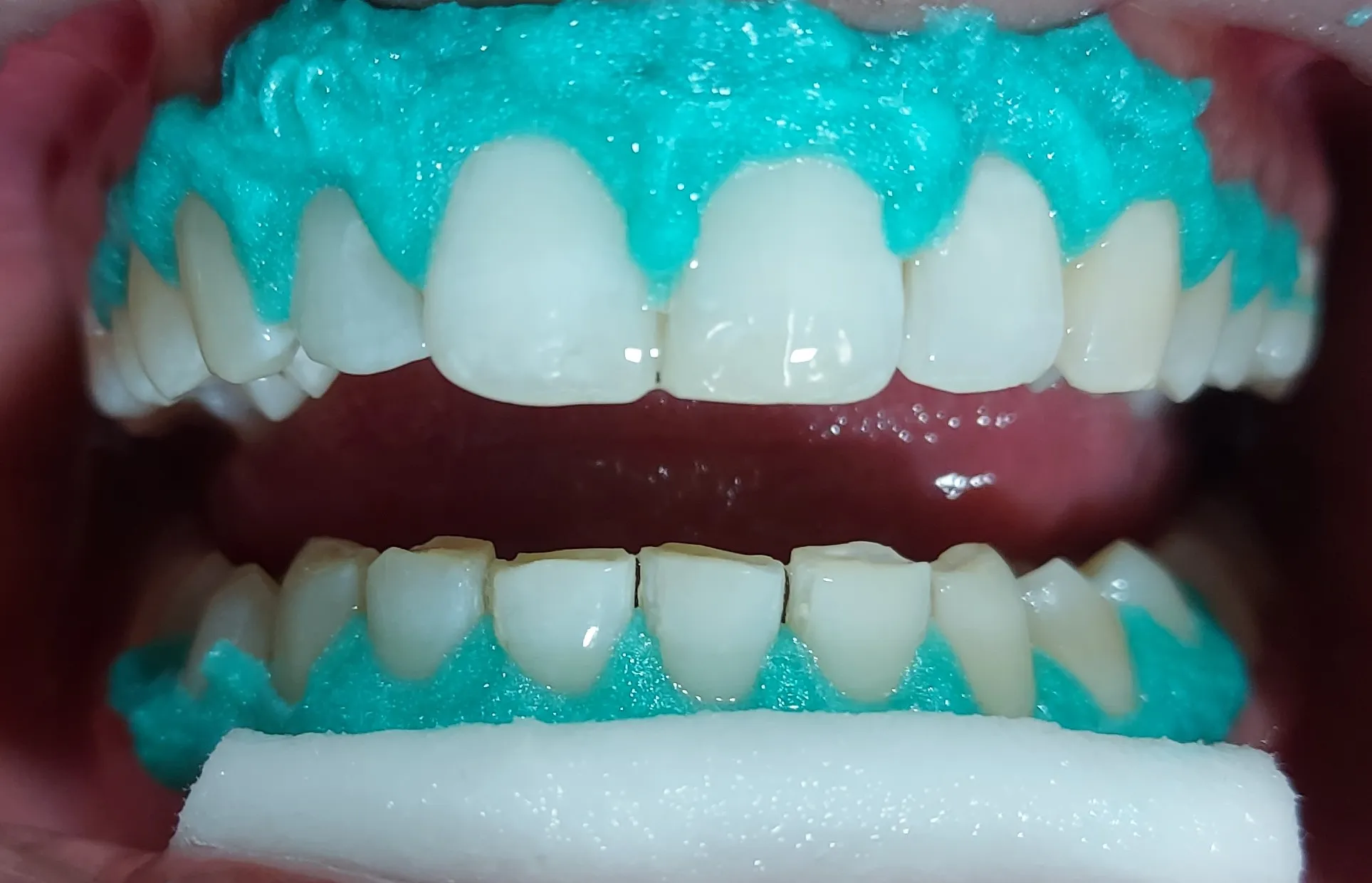
Understanding Teeth Whitening
Achieving a brighter, whiter smile is a common goal for many people, and teeth whitening has become a popular cosmetic procedure. But before diving into the various methods, it’s essential to understand the basics of teeth whitening. This involves knowing what causes tooth discoloration and the different types of stains that affect your teeth. Understanding the causes and types of stains helps you choose the most effective whitening approach, ensuring you can achieve the desired results safely and effectively. Knowing this ensures a successful and informed whitening journey.
What Causes Tooth Discoloration
Tooth discoloration can result from a variety of factors, both intrinsic and extrinsic. Extrinsic stains occur on the surface of the tooth and are often caused by dietary choices such as coffee, tea, red wine, and certain foods like berries. These stains can usually be addressed with professional cleaning or over-the-counter whitening products. Intrinsic stains, on the other hand, originate from within the tooth structure. These stains can be caused by factors such as aging, trauma, medications, or excessive fluoride exposure during childhood. Addressing intrinsic stains often requires more aggressive whitening methods like professional treatments to penetrate the tooth’s internal structure. It is also a common issue due to genetic factors.
Surface Stains vs. Intrinsic Stains

The distinction between surface and intrinsic stains is crucial in determining the appropriate whitening method. Surface stains are easier to remove with methods that focus on the enamel surface, such as whitening toothpastes or strips. Intrinsic stains are more complex, requiring treatments that can penetrate the tooth’s structure to target the deeper discoloration. Professional treatments, which use stronger bleaching agents, are often necessary for intrinsic stains. The selection of treatment should be based on the type of stain present to ensure a successful outcome. Understanding the type of stain is also important to understand the risks and effectiveness of the treatment.
Top 10 Proven Teeth Whitening Methods
There are numerous methods available to whiten your teeth, each with its own set of advantages and considerations. The best approach will depend on your specific needs, the type of discoloration, and your oral health condition. Professional treatments offer the most potent results, while over-the-counter products and home remedies provide more accessible and affordable alternatives. This section will cover ten proven teeth whitening methods, offering a comprehensive overview of each option to help you make an informed decision.
Professional Teeth Whitening
Professional teeth whitening, performed by a dentist, is generally the most effective way to achieve dramatic and long-lasting results. These treatments use high-concentration bleaching agents that are significantly stronger than those available over the counter. This increased potency allows the dentist to effectively target both surface and intrinsic stains, providing a more uniform and brighter smile. The entire procedure is conducted under controlled conditions to ensure patient safety and minimize potential side effects, such as tooth sensitivity or gum irritation. Professional whitening is also beneficial because the dentist can address underlying dental issues before starting the whitening process.
In-Office Whitening Procedures

In-office whitening involves a single, intensive session at the dental clinic. The dentist will apply a strong whitening gel to your teeth and activate it using a special light or laser. This process usually takes about an hour and can significantly lighten your teeth in a single visit. The dentist will monitor your progress and protect your gums to ensure your comfort and safety throughout the procedure. In-office whitening is ideal for individuals who want immediate results and are willing to invest in a professional treatment.
Custom Tray Whitening
Custom tray whitening involves the dentist creating custom-fitted trays that you can use at home. The dentist will take impressions of your teeth to fabricate these trays, ensuring a perfect fit that maximizes the contact between the whitening gel and your teeth. You then fill the trays with a bleaching agent provided by your dentist and wear them for a specified amount of time each day, as instructed. Custom tray whitening is a more gradual approach, allowing for a more controlled whitening process. This method offers a balance between professional care and the convenience of at-home treatment.
Over-the-Counter Whitening Products
Over-the-counter (OTC) whitening products are readily available and provide a convenient and affordable way to whiten your teeth. These products are designed for home use and offer a range of options, from whitening toothpastes to strips and gels. While OTC products typically contain lower concentrations of bleaching agents than professional treatments, they can still effectively reduce surface stains and improve the overall brightness of your smile. OTC products are a good starting point if you are looking for a mild improvement or want to maintain your results after professional treatment. Following the manufacturer’s instructions is crucial to ensure effectiveness and minimize potential side effects.
Whitening Toothpastes

Whitening toothpastes contain mild abrasives and chemical agents that help remove surface stains. They work by gently polishing the teeth, which helps to eliminate discoloration caused by foods, drinks, and tobacco use. Whitening toothpastes do not significantly alter the color of the teeth as professional treatments do. Instead, they help to remove stains and restore the natural whiteness of your teeth. Regular use can improve the overall brightness of your smile and is best used as a maintenance tool.
Whitening Strips
Whitening strips are thin, flexible strips coated with a peroxide-based whitening agent. These strips are applied directly to the teeth and adhere for a specified amount of time, allowing the whitening agent to penetrate the enamel and lift stains. Whitening strips are an effective method to address surface stains and provide noticeable results. They are convenient and easy to use, making them a popular choice for at-home teeth whitening. The duration of treatment varies depending on the product. It is essential to follow the instructions carefully to avoid uneven whitening or irritation.
Whitening Gels
Whitening gels are applied directly to the teeth, either with custom trays or applicators. These gels contain a bleaching agent that penetrates the tooth enamel to lift stains. They can be used with over-the-counter trays or custom-made trays from your dentist for more precise application and results. Whitening gels are an effective option for targeting both surface and intrinsic stains, with a range of peroxide concentrations available. Results vary based on the concentration of the whitening agent and the duration of use. Whitening gels are a versatile method that can be tailored to individual needs and preferences, offering a controlled whitening experience.
DIY Teeth Whitening Methods

DIY teeth whitening methods involve using household ingredients to lighten the teeth. These approaches are often more affordable than professional or over-the-counter options, but their effectiveness can vary. While some DIY methods may provide minor improvements, it’s essential to approach them with caution. Some methods may be abrasive or contain acidic ingredients that can damage the enamel, leading to increased sensitivity or other oral health issues. Consulting with your dentist before trying any DIY whitening method is recommended to ensure it’s safe for your teeth.
Baking Soda and Hydrogen Peroxide
Baking soda and hydrogen peroxide is a popular DIY teeth whitening method. Baking soda acts as a mild abrasive, and hydrogen peroxide has bleaching properties. To use this method, you create a paste by mixing baking soda and hydrogen peroxide and then applying it to your teeth. This method may help to remove surface stains, but it can also be too abrasive for some. Overuse can damage the enamel and increase sensitivity. It is crucial to use this mixture sparingly and consult your dentist for advice.
Coconut Oil Pulling
Coconut oil pulling involves swishing coconut oil in your mouth for a period of time, typically 15-20 minutes. The claim is that this practice can help remove bacteria, toxins, and surface stains from the teeth. While some people report positive results, the evidence supporting the whitening effects of coconut oil pulling is limited. It may provide a slight improvement in brightness and also promotes oral hygiene. This method is generally safe, but it is essential to note that it is not a substitute for brushing, flossing, and regular dental visits.
Activated Charcoal

Activated charcoal is used as a whitening agent and is claimed to remove stains from teeth. Activated charcoal is highly absorbent and thought to bind to stains on the teeth. This method involves brushing the teeth with activated charcoal powder or a charcoal-infused toothpaste. While activated charcoal might remove some surface stains, its abrasive nature can damage enamel over time. There is also limited scientific evidence to support its effectiveness as a whitening agent. It is important to consult your dentist before using activated charcoal to ensure it’s safe for your teeth and gums.
Whitening Toothpaste
Whitening toothpaste is available in most stores and is a good option. It is essential to use this option along with others for best results. Although these are not designed to whiten teeth, they can help remove surface stains.
Home Remedies
There are various home remedies for teeth whitening. Although they may not be as effective as professional treatments, they can help remove surface stains and improve brightness. Some examples are, lemon juice and strawberries. However, these should be used cautiously as they can potentially damage the enamel. Consult your dentist before using any home remedy.
Maintaining Your White Smile

After achieving a brighter smile, it’s essential to implement a routine to maintain those results. This involves regular oral hygiene practices, dietary adjustments, and regular dental check-ups. Proper maintenance not only prolongs the effects of teeth whitening but also promotes overall oral health. Your daily habits play a crucial role in maintaining a healthy and radiant smile.
Oral Hygiene Routine
A consistent oral hygiene routine is the cornerstone of maintaining white teeth. This routine should include brushing your teeth twice a day with fluoride toothpaste and flossing daily to remove plaque and food particles. Consider using an electric toothbrush, as it can be more effective at removing stains and plaque than a manual toothbrush. A thorough oral hygiene routine helps prevent new stains from forming and ensures your teeth remain healthy and bright. Make sure to brush your teeth properly to get the most out of your efforts.
Dietary Considerations
Your diet significantly impacts the appearance of your teeth. Certain foods and beverages can stain teeth and should be consumed in moderation to maintain a white smile. These include coffee, tea, red wine, and dark-colored berries. Drinking these beverages through a straw can help minimize their contact with your teeth. Incorporating teeth-friendly foods, such as crunchy fruits and vegetables, which help naturally clean the teeth and stimulate saliva production, can also help. You can also incorporate more calcium to strengthen the teeth.
Avoiding Staining Foods and Drinks

To prevent stains from redeveloping, it’s essential to limit your consumption of staining foods and drinks. If you cannot avoid them entirely, try to minimize their contact with your teeth. After consuming staining substances, you can rinse your mouth with water or brush your teeth to reduce the staining effects. Making mindful choices about your diet will significantly contribute to maintaining your white teeth. You can also incorporate more water and vegetables into your diet.
Regular Dental Check-ups
Regular dental check-ups and professional cleanings are essential for maintaining a white smile. During these visits, your dentist can remove any accumulated plaque and tartar and professionally polish your teeth to remove surface stains. Your dentist can also detect and address any underlying dental issues that may affect the appearance of your teeth. Regular check-ups allow you to maintain your white smile and ensure your oral health. Regular check-ups also allow your dentist to detect any other dental issues, such as cavities.
Side Effects and Risks
While teeth whitening is generally safe, it’s important to be aware of potential side effects and risks. These can vary depending on the whitening method used, the concentration of the bleaching agent, and the individual’s oral health. Understanding these risks allows you to make informed decisions and take steps to minimize any negative effects.
Sensitivity
Tooth sensitivity is one of the most common side effects of teeth whitening. It typically occurs when the bleaching agent penetrates the enamel and reaches the dentin, the layer beneath the enamel. This can cause temporary sensitivity to hot, cold, or sugary foods and drinks. The intensity of sensitivity varies among individuals and also depends on the method used. You can use sensitivity toothpastes to relieve discomfort, and your dentist can recommend desensitizing treatments. Sensitivity typically subsides a few days after the whitening treatment.
Gum Irritation
Gum irritation is another potential side effect of teeth whitening. This can occur if the bleaching agent comes into contact with the gums, causing inflammation or soreness. It’s especially common with in-office treatments, where the dentist must carefully protect the gums during the procedure. You can prevent this by ensuring that the trays fit correctly, and the whitening gel does not overflow. Your dentist can provide protective measures, such as a rubber dam, to safeguard your gums. Any irritation is usually temporary and resolves within a few days.
Effectiveness and Limitations
While teeth whitening is an effective cosmetic procedure, it’s essential to recognize its limitations. The results and longevity of the whitening process can vary depending on several factors, including the type of stains, the chosen whitening method, and individual lifestyle habits. Understanding these limitations is important for setting realistic expectations and ensuring you make informed decisions about your treatment options. If you are expecting a perfect smile, you might be disappointed. Consult your dentist to discuss options that may be best for you.