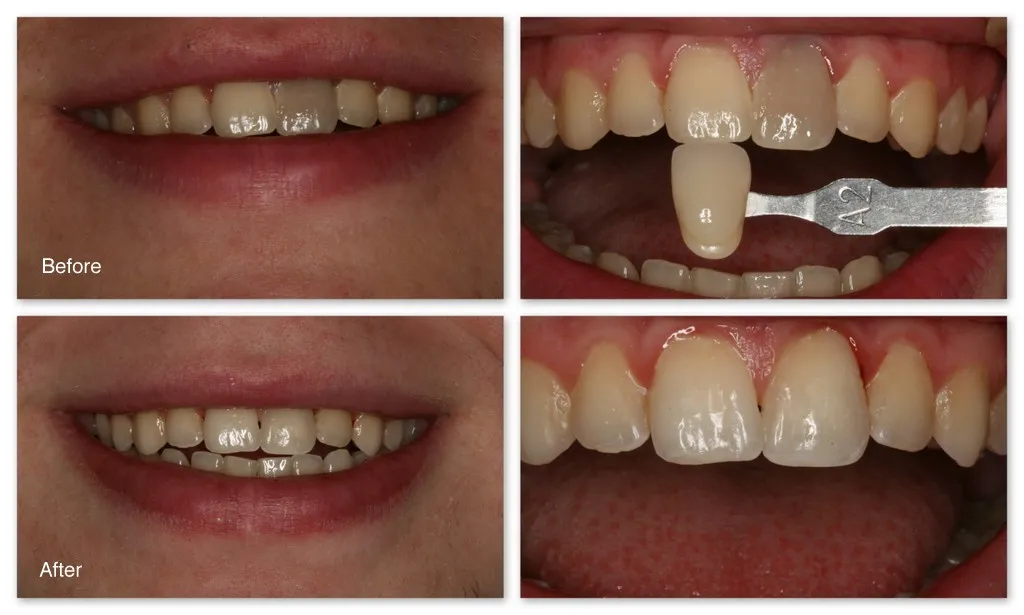
What Are Tooth Whitening Fillings
Tooth whitening fillings, also known as composite fillings, represent a significant advancement in dental aesthetics and restorative procedures. Unlike traditional amalgam fillings, which are typically silver or dark in color, tooth whitening fillings are crafted from a tooth-colored resin composite material. This material is designed to seamlessly blend with the natural shade of your teeth, providing a much more aesthetically pleasing result. Beyond their cosmetic appeal, these fillings are also valued for their ability to restore the structure and function of a tooth damaged by decay, cracks, or fractures. This makes them a versatile solution for a wide range of dental issues, combining both restorative and cosmetic benefits. Furthermore, the materials used in tooth whitening fillings are biocompatible, meaning they are designed to be well-tolerated by the body, reducing the risk of allergic reactions or other complications. The process typically involves removing the decayed or damaged portion of the tooth and then carefully layering and shaping the composite material to rebuild the tooth’s original form. This technique allows dentists to create fillings that are not only functional but also virtually invisible, enhancing the overall appearance of your smile.
How Do Tooth Whitening Fillings Work
The process of getting tooth whitening fillings involves several key steps, starting with a thorough examination of the affected tooth. Your dentist will assess the extent of the decay or damage, determining the best approach for restoration. The procedure begins with the removal of any decayed or damaged tooth material. This is done using specialized dental tools to ensure that all compromised parts of the tooth are eliminated, preparing it for the filling. Next, the tooth is cleaned and prepared to receive the composite material. This often involves etching the enamel to create a slightly rough surface, which helps the filling material bond securely to the tooth. The dentist then carefully applies the composite resin in layers, sculpting it to match the natural contours of the tooth. Each layer is hardened using a special curing light, ensuring the material bonds properly and becomes strong. Once the filling is built up to the correct shape, the dentist meticulously polishes it to create a smooth, natural-looking finish. This final step is crucial, as it ensures the filling blends seamlessly with the surrounding teeth and provides a comfortable bite. The entire procedure is typically performed in a single visit, making it a convenient option for patients looking to improve their smile quickly.
The Top 5 Benefits of Tooth Whitening Fillings

Enhanced Aesthetics
The most immediate and noticeable benefit of tooth whitening fillings is the significant improvement in the aesthetics of your smile. These fillings are designed to match the color of your natural teeth, making them virtually invisible. This is a stark contrast to traditional metal fillings, which can be quite noticeable, especially when you laugh or speak. The composite material used in these fillings can be customized to match your specific tooth shade, ensuring a seamless blend that enhances the overall appearance of your teeth. This cosmetic advantage is a major factor for many people who choose tooth whitening fillings, boosting their self-confidence and making them feel more comfortable with their smile. The ability to achieve a natural-looking result is particularly beneficial for fillings in the front teeth, where aesthetics are most important. The improved appearance can have a positive impact on your social and professional life, making you feel more confident in any situation.
Improved Confidence
A brighter, more attractive smile can have a profound impact on your self-esteem and overall confidence. Tooth whitening fillings play a crucial role in achieving this by eliminating the visual distractions of dark or mismatched fillings. When you have fillings that blend seamlessly with your natural teeth, you are less likely to feel self-conscious about your smile. This newfound confidence can extend into all areas of your life, from your personal relationships to your professional endeavors. Smiling with confidence is an important part of social interaction, and having tooth whitening fillings can make you feel more comfortable and at ease in social situations. The ability to smile openly and genuinely without worrying about the appearance of your fillings is a significant benefit, contributing to a more positive self-image. This is not just about aesthetics; it’s about feeling good about yourself and projecting a sense of confidence that can enhance your interactions with others.
Minimally Invasive

Tooth whitening fillings often require less removal of healthy tooth structure compared to traditional fillings, making them a more conservative treatment option. This is because the composite material bonds directly to the tooth, allowing the dentist to prepare the tooth with minimal intervention. Preserving more of the natural tooth structure is crucial for maintaining the long-term health and strength of your teeth. The minimally invasive nature of this procedure reduces the likelihood of tooth sensitivity and other complications that can arise from more extensive dental work. This approach also makes the procedure more comfortable for the patient, as there is typically less drilling and preparation required. By preserving as much of your natural tooth as possible, tooth whitening fillings help to extend the lifespan of your tooth and reduce the need for more extensive treatments in the future. The minimally invasive aspect makes it an attractive choice for patients who value both aesthetics and the preservation of their natural teeth.
Durability and Longevity
Modern composite materials used in tooth whitening fillings are designed for durability and longevity, providing a reliable solution for restoring damaged teeth. While the lifespan of these fillings can vary depending on factors like oral hygiene and the location of the filling, they can last for many years with proper care. The composite material is strong and resistant to wear and tear, making it suitable for use in various areas of the mouth. Regular dental check-ups and cleanings, along with good oral hygiene practices, are essential for maximizing the lifespan of your fillings. Avoiding habits like chewing on hard objects or grinding your teeth can also help to protect your fillings. Over time, composite fillings may need to be replaced, but with proper care, they can provide a durable and aesthetically pleasing restoration for many years, contributing to your overall oral health and a beautiful smile.
Natural Appearance
One of the key advantages of tooth whitening fillings is their ability to mimic the natural appearance of your teeth. The composite material is available in a wide range of shades, allowing your dentist to select a color that perfectly matches your existing teeth. This ensures a seamless blend that makes the filling virtually indistinguishable from the rest of your smile. The ability to achieve a natural look is particularly important for fillings in visible areas of the mouth, such as the front teeth. The composite material can also be layered and sculpted to replicate the texture and translucency of natural enamel, further enhancing the realistic appearance. This level of customization makes tooth whitening fillings a highly effective cosmetic solution. Unlike metal fillings, tooth whitening fillings do not cause dark shadows or discoloration, ensuring a bright and healthy-looking smile that boosts your confidence.
Who Is a Good Candidate for Tooth Whitening Fillings

Generally, individuals with cavities, small chips, or minor fractures are ideal candidates for tooth whitening fillings. The suitability of tooth whitening fillings also depends on the size and location of the damage. Small to medium-sized cavities in visible areas of the mouth are often best treated with composite fillings due to their aesthetic benefits. Patients who are looking to replace old, unsightly fillings with a more natural-looking option are also good candidates. Those with good oral hygiene habits and a commitment to regular dental check-ups are more likely to experience the long-term benefits of tooth whitening fillings. However, individuals with extensive tooth decay or significant structural damage may require alternative treatments, such as crowns or inlays, to ensure the best possible outcome. Consulting with a dentist is essential to determine if tooth whitening fillings are the right choice for your specific needs and to discuss the best treatment options for achieving a healthy and beautiful smile.
The Procedure for Tooth Whitening Fillings
The procedure for getting tooth whitening fillings typically involves several steps, starting with a thorough examination and diagnosis. Your dentist will assess the condition of the tooth, determining the extent of the damage and whether a composite filling is the appropriate solution. The tooth is then prepared by removing any decay or damaged tissue. This is often done using a dental drill, ensuring that all compromised parts of the tooth are removed. The next step involves cleaning and isolating the tooth to keep it dry and free from contamination. A bonding agent is then applied to the tooth surface to create a strong bond with the composite material. The composite resin is carefully layered onto the tooth, shaped, and sculpted to restore its original form. Each layer of the composite is hardened using a special curing light. Once the filling is complete, it is polished to create a smooth, natural-looking finish. The entire process usually takes about an hour per filling, making it a relatively quick and convenient procedure.
Aftercare and Maintenance
Proper aftercare is essential for maintaining the longevity and appearance of your tooth whitening fillings. Following the procedure, it’s important to avoid eating or drinking anything for a short period of time, as recommended by your dentist. Good oral hygiene practices are crucial for preventing future decay and keeping your fillings in excellent condition. This includes brushing your teeth twice a day with fluoride toothpaste and flossing daily to remove plaque and food particles. Regular dental check-ups and professional cleanings are also vital. These appointments allow your dentist to monitor the condition of your fillings and identify any potential issues early on. Avoid biting on hard objects, such as ice or hard candies, which can damage your fillings. If you grind your teeth, consider using a mouth guard at night to protect your fillings from excessive wear and tear. By following these guidelines, you can ensure your tooth whitening fillings remain effective and aesthetically pleasing for many years.
Potential Risks and Considerations

While tooth whitening fillings are generally a safe and effective treatment, there are some potential risks and considerations to be aware of. In some cases, patients may experience temporary sensitivity to hot or cold temperatures, especially immediately after the procedure. This sensitivity usually subsides within a few weeks. There is a small risk of the filling material chipping or wearing down over time, particularly if the filling is large or subjected to heavy chewing forces. In rare instances, patients may experience an allergic reaction to the composite material, although this is uncommon. It’s important to inform your dentist of any allergies or sensitivities you may have before the procedure. Regular dental check-ups are essential for monitoring the condition of your fillings and addressing any issues promptly. Following your dentist’s aftercare instructions and practicing good oral hygiene habits can help to minimize the risks and ensure the long-term success of your tooth whitening fillings.