What is Teeth Whitening
Teeth whitening is a cosmetic dental procedure designed to lighten the color of your teeth. The process involves removing stains and discoloration that can accumulate on the enamel surface, thereby improving the overall appearance of your smile. It is a popular choice for individuals seeking to boost their confidence and achieve a brighter, more youthful look. Whitening treatments can vary significantly in terms of method, cost, and results, making it essential to understand the different options available and how they work. The goal is to restore the natural whiteness of your teeth or to achieve a shade that is noticeably lighter than your original color. The process typically involves the use of bleaching agents, which break down the stain molecules, making them less visible.
Types of Teeth Whitening
There are two primary categories of teeth whitening treatments professional and at-home methods. Each offers unique advantages and disadvantages. Professional whitening, typically performed by a dentist, is the most effective and provides the quickest results. At-home options, such as over-the-counter products, offer a more affordable and convenient approach, though they may take longer to produce visible changes. The best method for you will depend on your individual needs, the severity of your discoloration, and your budget. Consulting with a dental professional is always recommended to determine the most suitable option for your specific situation and oral health requirements. Understanding the differences between the methods helps you to make an informed decision.
In-Office Teeth Whitening

In-office teeth whitening involves a professional dental treatment that is performed in a dentist’s office. The dentist applies a highly concentrated bleaching agent to your teeth, and often uses a special light or laser to accelerate the whitening process. This method typically produces dramatic results in a single session, making it ideal for those who want immediate improvements. The process is carefully monitored by dental professionals, ensuring safety and minimizing potential side effects. In-office whitening is particularly effective for treating severe stains and discoloration. The results can be quite significant, often lightening your teeth by several shades in just one visit. The procedure is safe and relatively painless, with many patients experiencing little to no discomfort.
Benefits of In-Office Whitening
The primary benefit of in-office teeth whitening is the speed and effectiveness of the treatment. It delivers immediate and noticeable results, which is a major advantage for people needing to look their best quickly. Another benefit is the professional care and supervision you receive. Dentists are experienced in teeth whitening and can address any potential issues or sensitivities during the procedure. In-office treatments can also be customized to meet your specific needs, such as whitening only certain teeth or adjusting the treatment intensity. They also often include follow-up instructions to help maintain the whitening results. Moreover, the strong bleaching agents used in the office can effectively remove stubborn stains and discoloration that at-home treatments might struggle with.
At-Home Teeth Whitening
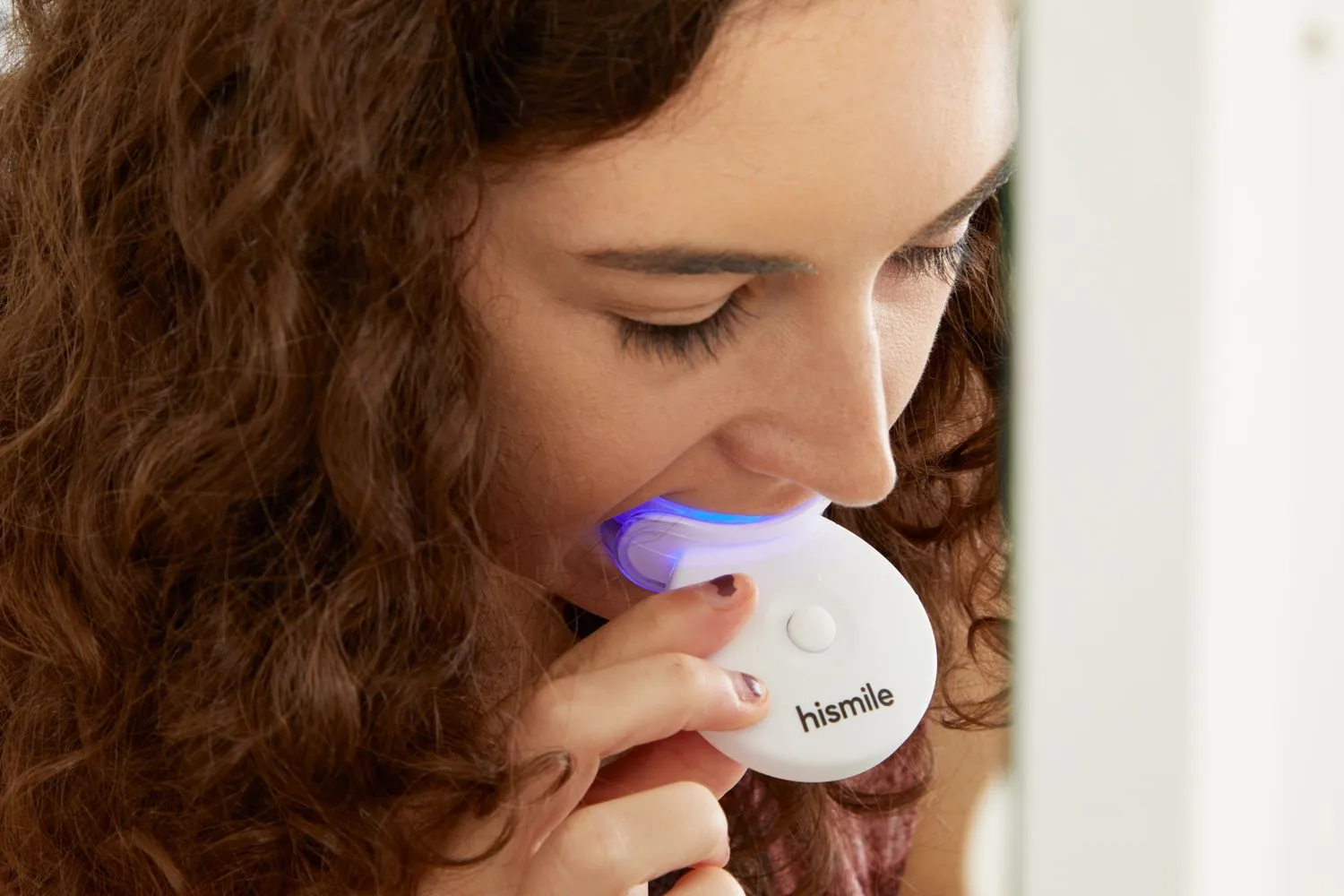
At-home teeth whitening includes a variety of over-the-counter and dentist-prescribed products that you use in the comfort of your own home. These options offer a more affordable and convenient approach to whitening your teeth. While the results may not be as dramatic or immediate as in-office treatments, consistent use can still produce significant improvements over time. At-home options include whitening strips, toothpastes, and custom trays. These products usually contain lower concentrations of bleaching agents. The process is more gradual than in-office whitening and requires you to follow the instructions carefully for optimal results. The choice of at-home methods depends on your budget, the degree of discoloration, and your personal preferences.
Over-the-counter options

Over-the-counter (OTC) teeth whitening products are readily available at most drugstores and supermarkets, offering a convenient and accessible way to brighten your smile. These products generally contain lower concentrations of hydrogen peroxide or carbamide peroxide, the active ingredients that whiten teeth, making them safer for unsupervised use but also less potent than professional treatments. Popular OTC options include whitening toothpastes, mouthwashes, and strips. Whitening toothpastes often contain abrasives to remove surface stains, while mouthwashes can help reduce plaque and offer some whitening effect. Whitening strips, the most effective OTC method, are thin, flexible strips coated with a whitening gel. For the best results, it’s essential to follow the product instructions, using the recommended frequency and duration. Although they are generally safe, it is important to be aware of potential sensitivity or irritation. They are a good choice for mild to moderate staining.
Custom trays & whitening strips
Custom trays, often prescribed by a dentist, offer a more personalized and effective at-home whitening experience. These trays are molded to fit your teeth precisely, ensuring that the whitening gel comes into close contact with the tooth surfaces. The precision fit minimizes the risk of the gel leaking onto the gums, reducing potential irritation. You receive these trays from your dentist. The dentist provides a stronger whitening gel. Whitening strips, available over-the-counter, are another popular option. They are easy to use and require no custom fitting. Whitening strips typically consist of a thin, flexible plastic strip coated with a whitening gel containing hydrogen peroxide. You simply apply the strips to your teeth, following the manufacturer’s instructions. Both custom trays and whitening strips can deliver noticeable results with regular use. Each option offers a balance between convenience, cost, and effectiveness, allowing you to choose the method that best suits your needs and preferences.
Teeth Whitening Best Practices
To achieve the best results from teeth whitening and maintain a healthy smile, it is important to follow the best practices and guidelines. These include proper preparation, post-treatment care, and lifestyle adjustments. Consulting with a dentist beforehand is crucial for assessing your oral health. Understanding the specific instructions for the chosen whitening method is also essential. Furthermore, knowing what to expect during and after the procedure will help you manage any potential side effects and optimize your results. A proactive approach to teeth whitening will not only enhance the appearance of your smile but will also promote your overall oral health. Practicing good oral hygiene is essential for preserving the results of your teeth whitening treatment and maintaining a bright and healthy smile. By focusing on these aspects, you can maximize the benefits of teeth whitening and prevent any adverse outcomes.
Before Whitening Considerations

Before undergoing teeth whitening, it’s important to consider certain factors to ensure the procedure is safe and effective for you. Schedule a dental check-up and cleaning. Your dentist will assess your oral health, identify any existing problems like cavities or gum disease, and provide professional cleaning to remove plaque and tartar. Addressing any dental issues before whitening is crucial, as the whitening agents can irritate sensitive areas. If you have fillings, crowns, or veneers, whitening treatments will not change their color; it is essential to discuss this with your dentist. It is also important to be realistic about the outcome. The level of whitening that can be achieved varies depending on the type and severity of stains and your natural tooth color. Talking to your dentist about your expectations will help you understand the potential results and make an informed decision.
After Whitening Care
After your teeth whitening treatment, proper care is essential to maximize and maintain the results. You should strictly follow the dentist’s or product instructions. Following a whitening procedure, your teeth may be more sensitive to hot and cold temperatures; you can use a desensitizing toothpaste to help alleviate this sensitivity. Avoid foods and drinks that can stain your teeth, such as coffee, tea, red wine, and dark-colored berries. You should also practice good oral hygiene by brushing your teeth twice a day with a soft-bristled toothbrush and flossing daily to remove plaque and food particles. Regular dental check-ups and cleanings are also vital to keep your teeth healthy and bright. By following these guidelines, you can help preserve your new, brighter smile and maintain good oral health.
Foods and Drinks to Avoid
To keep your teeth looking their best after whitening, you need to pay attention to your diet. Certain foods and drinks can stain your teeth and diminish the results of your whitening treatment. Beverages such as coffee, tea, and red wine are notorious for causing stains. Dark-colored sodas and fruit juices can also contribute to discoloration. Food items that can stain your teeth include berries (such as blueberries and strawberries), soy sauce, balsamic vinegar, and curries. To protect your newly whitened teeth, it is advisable to limit your consumption of these items for at least the first few weeks after your treatment. Consider using a straw for beverages to minimize contact with your teeth and rinse your mouth with water immediately after consuming staining foods or drinks. Brushing your teeth after eating or drinking stain-causing substances is also a good habit to maintain your bright smile.
Maintaining Results

Maintaining the results of your teeth whitening requires a proactive approach to your oral health. Consistent oral hygiene practices are essential. Brushing your teeth twice a day and flossing daily will help to remove surface stains and prevent new ones from forming. Consider using a whitening toothpaste. Regular dental check-ups and cleanings are also crucial for maintaining a bright smile. Your dentist can remove any accumulated plaque or tartar and provide professional advice on how to maintain your results. Periodic touch-up treatments, either at home or in the dentist’s office, can help to keep your teeth looking their best. You should also be mindful of your diet. Avoiding or limiting staining foods and beverages, or rinsing your mouth immediately after consuming them, can help extend the life of your whitening results. By following these practices, you can ensure your teeth remain bright and your smile beautiful for an extended period.
What to Expect from Teeth Whitening
Understanding what to expect from teeth whitening will help you prepare for the procedure and manage your expectations. The outcome of teeth whitening varies depending on the method used, the severity of the stains, and the individual’s natural tooth color. Professional whitening treatments generally produce the most dramatic and immediate results, with teeth often becoming several shades lighter in a single session. At-home treatments, like whitening strips and custom trays, typically take longer to show visible changes, but can still lead to significant improvements. It’s important to be aware that teeth whitening is not a permanent solution. The effects of whitening treatments can fade over time. To maintain your results, you will need to follow the recommended aftercare instructions and consider periodic touch-up treatments. Realistic expectations and careful planning are important for achieving a satisfying outcome and a brighter, more confident smile.
Potential Side Effects
While teeth whitening is generally safe, it can cause some side effects. The most common side effect is tooth sensitivity, which may occur during or after the treatment. This sensitivity usually fades within a few days after the procedure. Another potential side effect is gum irritation, which can occur if the whitening agent comes into contact with the gums. To minimize these risks, it is essential to follow your dentist’s instructions carefully and use the products as directed. For in-office whitening, dentists take precautions to protect your gums. If you experience any unusual symptoms, such as severe pain or prolonged sensitivity, contact your dentist. Most side effects are temporary and can be managed with over-the-counter pain relievers or desensitizing toothpaste. Being aware of these potential side effects and taking appropriate measures will help ensure a safe and comfortable teeth whitening experience.
Cost and Considerations

The cost of teeth whitening varies depending on the method, the location, and the dentist. In-office whitening is typically more expensive than at-home options because it involves professional care and more concentrated bleaching agents. The price of at-home products can range widely depending on the brand and the type of product (strips, trays, etc.). When considering the cost, factor in the potential need for multiple treatments or maintenance, as well as the long-term value of a brighter smile. Before undergoing any whitening treatment, you should consult with your dentist to assess your oral health and discuss your goals and expectations. Your dentist will be able to advise you on the most suitable and cost-effective option for your needs. Furthermore, consider the time commitment involved. In-office treatments offer immediate results but require a single appointment. At-home methods may take several weeks or months to produce noticeable changes.
Top 5 Facts About Teeth Whitening
Fact 1
Teeth whitening is a cosmetic procedure that brightens your teeth by removing stains and discoloration. It is a popular choice for anyone looking to enhance their smile and boost their confidence. The process involves using bleaching agents, which break down stain molecules on the enamel surface. The results can vary, but many people experience a significant improvement in the appearance of their teeth. The effectiveness depends on the type of stains, the whitening method used, and the individual’s tooth structure. It is important to consult with a dentist to determine the most suitable treatment option for you and understand the expected outcomes.
Fact 2

There are two main types of teeth whitening procedures professional and at-home treatments. Professional whitening, done in a dentist’s office, offers the most immediate and dramatic results. Dentists use high-concentration bleaching agents and can monitor the process to ensure safety and effectiveness. At-home whitening includes over-the-counter products like whitening strips and custom trays with dentist-prescribed gels. These methods are generally more affordable and convenient. The best option depends on your individual needs, budget, and the degree of discoloration. Professional whitening is ideal for quicker and more significant results. At-home whitening is a good choice for those who want a more gradual and budget-friendly approach. Consulting a dentist helps you choose the right option.
Fact 3
Before you start teeth whitening, it’s essential to have a dental check-up. Your dentist will examine your teeth and gums to ensure they are healthy and suitable for whitening. They will address any existing dental issues. Your dentist will clean your teeth to remove plaque and tartar. Teeth whitening can cause some side effects, such as tooth sensitivity and gum irritation. Your dentist will assess your oral health and discuss the potential risks and benefits. Discussing your expectations is important to ensure realistic outcomes. If you have fillings, crowns, or veneers, whitening treatments will not affect their color. Preparing your teeth properly can increase your chances of a successful and comfortable teeth whitening experience.
Fact 4
To maintain the results of your teeth whitening, you need to be careful about what you eat and drink. Certain foods and drinks can stain your teeth and reverse the effects of whitening. Foods such as berries, soy sauce, and curries can cause discoloration. Beverages like coffee, tea, and red wine are common culprits. To protect your teeth, limit your consumption of these items, and consider using a straw for drinks. Practicing good oral hygiene, including brushing and flossing, is crucial for keeping your smile bright. Regular dental check-ups and cleanings will help remove surface stains. By avoiding stain-causing foods and drinks, you can extend the longevity of your teeth whitening results.
Fact 5
The cost of teeth whitening varies based on the method you choose and the dentist’s fees. In-office whitening is typically more expensive than at-home treatments. At-home options are more affordable. The cost can vary significantly depending on the brand and the product. Before deciding, consider the long-term value of a brighter smile. It is important to discuss the costs and options with your dentist to determine the best course of action for your budget. Many dentists offer financing options or payment plans to make the treatment more accessible. When considering the cost, take into account the potential for touch-up treatments to maintain your desired level of whiteness. It is important to balance the cost of the whitening procedure with your expectations and desired results.