Why Did My Teeth Get Too White?
Achieving a dazzling, white smile is a common goal, but sometimes, teeth whitening treatments can go too far, resulting in teeth that appear unnaturally white. This phenomenon, often referred to as over-whitening, can leave individuals feeling self-conscious and can even impact the overall aesthetic of their smile. Understanding why this happens is the first step in addressing the issue and finding effective solutions. Various factors contribute to this, including the type of whitening product used, the frequency of application, and individual tooth characteristics. Furthermore, the desire for a brighter smile may lead to excessive use of whitening agents, surpassing the point where the teeth look their best. Recognizing the underlying causes is crucial for implementing strategies to correct the issue and restore a natural-looking, healthy smile.
Over-Whitening Explained
Over-whitening occurs when teeth are whitened beyond a natural, aesthetically pleasing shade. This can result in teeth that appear translucent, almost glowing, or with an unnatural, stark white color. This is often due to the overuse of bleaching agents, such as hydrogen peroxide or carbamide peroxide, which break down stains and discoloration. While these agents are effective at lightening teeth, excessive use can lead to dehydration of the enamel, causing the teeth to appear more opaque and potentially making them more sensitive. The ultimate goal of teeth whitening should be to enhance the smile, not to create an artificial look. Recognizing the signs of over-whitening is essential for taking appropriate steps to mitigate the effects and safeguard the long-term health of your teeth.
Common Causes of Over-Whitening

Several factors contribute to the problem of over-whitening. One significant cause is the overuse of whitening products. This includes using them more frequently than recommended or applying a higher concentration of the bleaching agent. Another factor is the inherent porosity of the enamel; some individuals may have teeth that are more susceptible to whitening agents, leading to faster and more dramatic results. Furthermore, the type of whitening treatment employed plays a crucial role. Professional treatments, while often more effective, may carry a higher risk of over-whitening if not carefully monitored by a dentist. Similarly, at-home kits, if used improperly, can also lead to this issue. Finally, the individual’s existing oral health and habits, such as the presence of dental restorations or the consumption of staining foods and beverages, can impact the final outcome of whitening treatments.
The Appearance of Over-Whitened Teeth
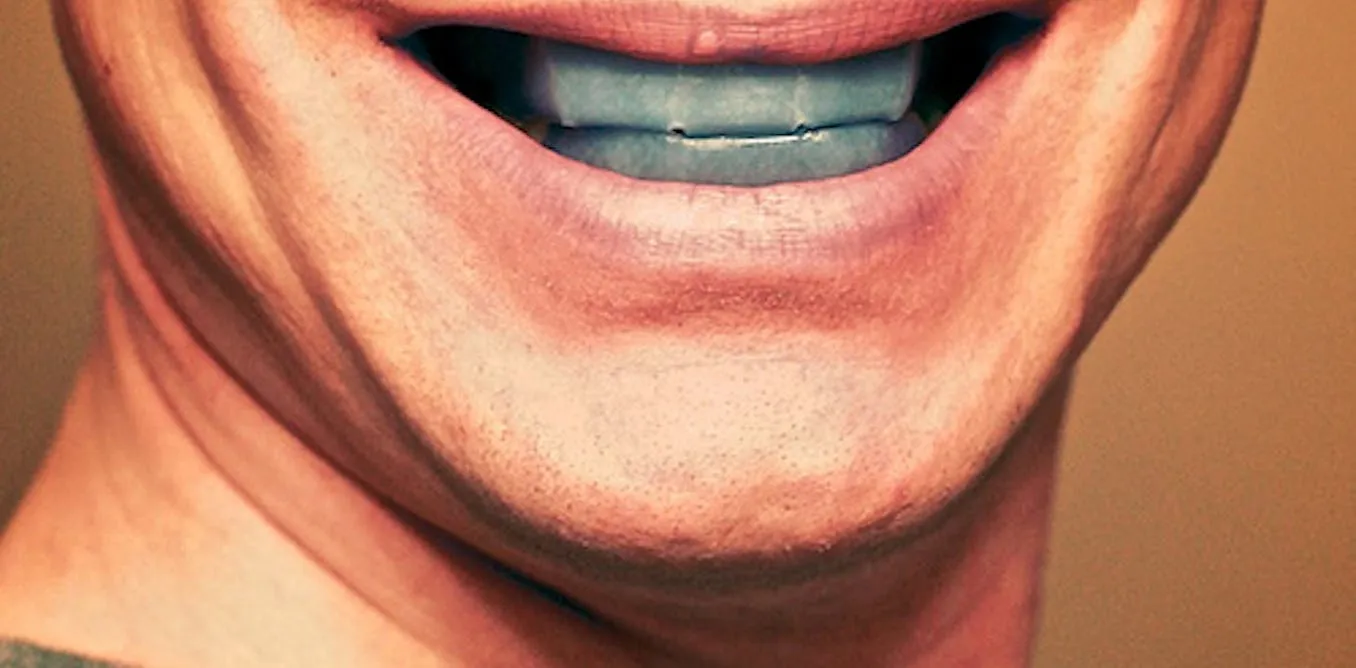
Over-whitened teeth often present a distinct visual appearance that differs from a naturally white smile. The teeth may appear unnaturally bright, with a stark, almost fluorescent white hue. This can create a contrast with the surrounding skin, making the teeth stand out in a way that seems artificial. Furthermore, over-whitened teeth can exhibit a translucent or even slightly bluish tint, particularly in certain lighting conditions. This can be due to the way the enamel reflects light after prolonged exposure to whitening agents. The overall effect is often a loss of the subtle variations in shade that are characteristic of healthy, natural teeth. Instead, there’s a uniform, often overly bright appearance, which can detract from the smile’s natural beauty and potentially draw unwanted attention.
Addressing the Issue of Too White Teeth
When teeth whitening goes too far, it’s essential to take steps to restore a more natural and balanced appearance. The good news is that there are several effective solutions available, ranging from at-home remedies to professional dental treatments. It’s crucial to stop or significantly reduce the use of whitening products to allow the teeth to recover. Additionally, specific products and professional procedures can help to address the effects of over-whitening and improve the overall aesthetics of your smile. The approach taken will depend on the severity of the issue and the individual’s specific needs. Consultation with a dentist is highly recommended to determine the best course of action and ensure the long-term health of your teeth. The aim is always to achieve a bright, healthy smile that complements your natural features.
Top 5 Fixes for Teeth Whitening Too White

1. Use a Remineralizing Toothpaste
Remineralizing toothpaste is a key strategy in addressing over-whitening, helping to restore minerals to the enamel and reduce the appearance of translucency. These toothpastes typically contain ingredients like fluoride, calcium phosphate, and other minerals that strengthen and rebuild the tooth surface. By replenishing the lost minerals, remineralizing toothpaste helps to make the teeth less transparent and reduces sensitivity, which is a common side effect of excessive whitening. Regular use can gradually improve the appearance of overly white teeth and contribute to a more natural-looking smile. Choosing the right remineralizing toothpaste and understanding how it works are crucial for maximizing its benefits.
The Science Behind Remineralization
Remineralization is the natural process by which minerals, such as calcium and phosphate, are redeposited into the tooth enamel. Whitening treatments can strip away these minerals, making the teeth more susceptible to damage and causing them to appear translucent. Remineralizing toothpastes work by delivering these essential minerals back into the enamel, strengthening its structure and improving its appearance. This process helps to reduce sensitivity and increases the tooth’s resistance to decay. The effectiveness of remineralization depends on the ingredients in the toothpaste and the individual’s oral hygiene practices. Regular use of a remineralizing toothpaste can reverse the effects of over-whitening, restoring the natural balance of minerals in the teeth.
Choosing the Right Remineralizing Toothpaste

When selecting a remineralizing toothpaste, it’s important to consider the ingredients and the specific needs of your teeth. Look for toothpastes that contain fluoride, as fluoride aids in the remineralization process and strengthens enamel. Calcium phosphate, another common ingredient, also helps rebuild the tooth surface. Avoid toothpastes with harsh abrasives or excessive whitening agents, as these can further damage the enamel. Consulting your dentist can provide guidance on the best toothpaste for your situation. They can recommend a product that suits your oral health needs and effectively addresses the issues caused by over-whitening. Remember to check the product’s claims and reviews to ensure it aligns with your expectations and helps restore your smile.
How Remineralizing Toothpaste Works
Remineralizing toothpaste works by delivering minerals to the tooth enamel, which are then incorporated into the tooth structure. The fluoride ions in the toothpaste help to attract calcium and phosphate ions, forming a stronger, more resistant enamel. Regular brushing with a remineralizing toothpaste allows these minerals to penetrate the enamel, filling in the microscopic gaps and reducing the appearance of translucency. The process strengthens the teeth, making them less susceptible to sensitivity and decay. Using the toothpaste as directed, typically twice daily, helps to achieve the best results. Consistent use and adherence to proper oral hygiene practices are vital to the success of this approach in combating over-whitening and promoting long-term dental health.
2. Reduce the Frequency of Whitening
One of the most straightforward solutions to teeth that are too white is to reduce the frequency of your whitening treatments. Over-whitening often stems from overusing bleaching products, leading to excessive lightening of the teeth. By cutting back on how often you whiten, you allow your teeth to recover and regain a more natural shade. This can involve switching from daily or weekly treatments to a less frequent schedule, such as monthly or even less often, depending on the initial level of whitening and the desired outcome. Adjusting your routine and carefully monitoring the results helps you avoid over-whitening and maintain a healthy, aesthetically pleasing smile. This step involves understanding the specific type of whitening product you’re using and following the manufacturer’s guidelines or your dentist’s recommendations.
Understanding Whitening Schedules

Whitening schedules vary depending on the type of treatment used. For at-home whitening kits, the instructions typically suggest a specific duration of use, often ranging from a few days to several weeks. Professional treatments, done in a dental office, may involve a series of sessions over a short period. It is crucial to follow these schedules carefully, as deviating from them can increase the risk of over-whitening. The schedule also depends on the concentration of the whitening agent and the sensitivity of your teeth. A dentist can provide personalized recommendations based on your oral health and the desired shade of your teeth. Proper understanding of the recommended whitening schedule is essential to avoid over-whitening and maintain a healthy smile.
Adjusting Your Whitening Routine
If you notice your teeth are becoming too white, it is time to adjust your whitening routine. This usually means reducing the frequency of treatments. If you’re using an at-home kit, decrease the number of times you apply the gel each week or month. If you’ve undergone professional whitening, discuss the frequency of touch-up treatments with your dentist. In some cases, you may need to discontinue whitening altogether for a period, allowing your teeth to stabilize. Monitor the color of your teeth closely and adjust your routine accordingly. It is also a good practice to consult with your dentist about the best approach to achieving a naturally white smile without causing harm to your teeth.
When to Stop Whitening
Knowing when to stop whitening is crucial to avoid over-whitening. The best time to stop is when your teeth have reached the desired shade and appear natural. If your teeth are becoming excessively white, translucent, or causing increased sensitivity, that’s a clear indication to halt the treatments. Pay attention to how your teeth look in different lighting conditions, and consult with your dentist if you’re uncertain. Your dentist can assess your tooth shade and help you determine whether you’ve reached the ideal result. Remember that the goal is a brighter, healthier smile, not an unnaturally white one. Stopping whitening when your teeth are too white can help maintain both the aesthetics and the overall health of your teeth.
3. Consider Professional Treatments

If at-home remedies aren’t enough to address over-whitening, professional treatments offered by a dentist can provide effective solutions. A dentist can assess the severity of the issue and recommend the most appropriate course of action. Professional treatments often include procedures that can help to balance the shade of the teeth and improve their appearance. This may involve a combination of techniques designed to restore the natural look of the teeth and promote overall oral health. The advantage of professional treatment is the expertise and guidance of a dental professional, ensuring a safe and effective approach to restoring a healthy, natural smile.
Professional Treatment Options
Dentists have various options to treat over-whitened teeth. One possibility is to apply a remineralizing varnish to strengthen the enamel and reduce sensitivity. Another option is to use a mild abrasive treatment to gently polish the teeth and even out the color. In more severe cases, cosmetic procedures like veneers or bonding may be considered. These procedures can help to cover the overly white surface and create a more natural appearance. The choice of treatment depends on the severity of over-whitening and the patient’s preferences. A dentist will conduct a thorough examination and discuss the best options for your situation, ensuring you receive personalized and effective care.
Consulting a Dentist for Solutions
Consulting a dentist is essential when dealing with over-whitened teeth. A dentist can accurately assess the condition of your teeth and determine the underlying causes. They can also provide personalized treatment recommendations based on your specific needs and the severity of the issue. During the consultation, your dentist will examine your teeth, discuss your whitening history, and ask about any sensitivity or discomfort you may be experiencing. Based on their assessment, they will suggest the most suitable treatment options, ranging from at-home remedies to in-office procedures. Consulting a dentist ensures you receive professional advice and care to restore a healthy, natural smile.
The Benefits of Professional Care

Professional dental care offers several advantages for addressing over-whitening. Dentists have specialized knowledge and tools to provide effective treatment. They can accurately diagnose the extent of the problem and recommend the most appropriate solutions. Professional treatments are often more precise and can deliver better results than at-home methods. Dentists can also monitor your progress and make adjustments as needed. Furthermore, they can offer guidance on maintaining a healthy smile and avoiding future over-whitening issues. Choosing professional care ensures you receive the best possible treatment and support for restoring a healthy and natural appearance to your teeth. They can also assess the overall health of your teeth and gums.
4. Use Stain-Fighting Products
Incorporating stain-fighting products into your oral hygiene routine can help counteract the effects of over-whitening and restore a more balanced shade to your teeth. These products work by targeting surface stains and preventing them from adhering to the enamel. Stain-fighting products may include toothpastes, mouthwashes, and other specialized items designed to remove discoloration and enhance the natural appearance of your teeth. Regular use can help to reduce the stark white appearance of over-whitened teeth and create a more harmonious look. Choosing the right products and using them consistently is essential for achieving the desired results and promoting a healthy smile.
The Role of Stain Removal
Stain removal is crucial in addressing the issue of overly white teeth, as it helps to balance the shade and create a more natural appearance. Over-whitened teeth may appear unnaturally bright, and surface stains can further accentuate this issue. Stain-fighting products help remove these surface stains, reducing the starkness of the white and allowing the natural color of your teeth to shine through. Removing stains can also improve the overall appearance of your smile, making it more aesthetically pleasing. Regular stain removal can restore balance and harmony to your teeth. This can result in a healthier and more attractive smile. Choose stain-fighting products and use them consistently to achieve the best outcomes.
Types of Stain-Fighting Products

Various stain-fighting products can help improve the appearance of over-whitened teeth. Stain-removing toothpastes often contain mild abrasives and stain-fighting agents that gently polish the tooth surface and remove discoloration. Stain-fighting mouthwashes can also assist in preventing stains and promoting a more balanced shade. Some products may contain ingredients like baking soda, which can help to remove surface stains. When selecting stain-fighting products, it’s essential to consider their abrasive properties. Excessive abrasion can damage the enamel, so choose products that are gentle yet effective. Consult with your dentist to find out which products are best suited for your specific needs. This ensures that you get the best results while maintaining the health of your teeth.
Incorporating Stain-Fighting Products
Incorporating stain-fighting products into your daily oral hygiene routine is an essential part of addressing over-whitening. Use stain-removing toothpaste at least twice a day, brushing thoroughly to remove surface stains. Rinse with a stain-fighting mouthwash after brushing or throughout the day to maintain a clean mouth. Consider using other specialized products as recommended by your dentist. Consistency is key. Regular use of stain-fighting products helps to remove existing stains and prevent new ones from forming. It is also beneficial to avoid foods and drinks that cause staining, such as coffee, tea, and red wine. Taking proactive steps and making these products a regular part of your oral health routine can help maintain a healthy and natural-looking smile.
5. Dietary Changes
Making strategic dietary changes can significantly impact the appearance of over-whitened teeth. Certain foods and drinks can worsen the issue by contributing to surface stains and exacerbating the contrast between the teeth and the surrounding features. At the same time, other foods can help maintain oral health and support the natural appearance of your teeth. Adopting a balanced diet that minimizes staining agents and incorporates beneficial foods will play a crucial role in restoring a natural and healthy smile. This approach involves making informed choices about what you eat and drink, and this is essential for achieving the desired results and keeping your teeth healthy.
Foods and Drinks to Avoid
To minimize the appearance of over-whitened teeth, avoid foods and drinks that contribute to staining. Dark-colored beverages like coffee, tea, and red wine can quickly stain the enamel, making your teeth appear uneven or too white. Similarly, highly pigmented foods, such as berries, soy sauce, and curries, can also stain your teeth. Avoid or limit the consumption of these items to help maintain a more natural appearance. Smoking and tobacco products can also cause significant staining. Therefore, refraining from tobacco can improve the overall health and aesthetics of your teeth. Being mindful of your dietary choices can make a big difference in the appearance of your teeth and reduce the effects of over-whitening.
Foods and Drinks That Help
Including certain foods and drinks in your diet can support oral health and enhance the appearance of your teeth. Foods high in fiber, like raw vegetables and fruits, can help to clean your teeth and stimulate saliva production, which helps to wash away food particles. Dairy products, such as milk, yogurt, and cheese, contain calcium and other minerals that strengthen enamel and promote overall dental health. Water is essential for maintaining oral hygiene, as it helps to wash away food particles and hydrate your mouth. Green tea, in moderation, may have benefits for oral health due to its antioxidant properties. A diet focused on these food choices can support both oral health and the natural appearance of your teeth.
Maintaining a Balanced Diet
Maintaining a balanced diet is crucial for oral health and the overall appearance of your teeth. Focus on incorporating a wide range of foods and drinks from all food groups while limiting processed foods, sugary drinks, and excessive amounts of staining agents. Aim for a diet rich in vitamins, minerals, and antioxidants. This supports the health of your teeth and gums and contributes to a healthy smile. Drinking plenty of water throughout the day will also help to keep your mouth hydrated and clean. Consult with a nutritionist or your dentist to develop a personalized diet plan that addresses your oral health needs and helps you achieve a natural, healthy appearance for your teeth. Making healthy choices can positively impact your overall dental health.
Conclusion
Dealing with teeth that are too white after whitening can be a frustrating experience, but with the right approach, you can restore a natural and healthy smile. By understanding the causes of over-whitening and implementing the recommended solutions, you can address the issue effectively. This involves strategies like using remineralizing toothpaste, reducing the frequency of whitening treatments, and seeking professional treatments. Incorporating stain-fighting products and making dietary changes also play an essential role. Remember, the goal is not just about achieving the whitest possible teeth, but rather about enhancing your smile in a way that complements your natural features. By taking a proactive approach and making informed choices, you can ensure that your teeth look their best and promote overall oral health. Regular check-ups with your dentist remain critical to maintaining a healthy, confident smile.