Understanding Teeth Whitening
Teeth whitening has become a popular practice, offering a path to a brighter and more confident smile. The desire for whiter teeth stems from the aesthetic appeal associated with a healthy and youthful appearance. Over time, teeth can become discolored due to various factors such as the consumption of staining foods and beverages like coffee, tea, and red wine, as well as smoking. The natural aging process also contributes to the darkening of enamel. Teeth whitening treatments aim to address these discolorations by either removing surface stains or, in the case of bleaching agents, altering the intrinsic color of the teeth. It is essential to understand the different methods available, from professional dental procedures to at-home remedies, and to recognize the benefits and potential risks involved in order to make informed decisions about your oral care routine.
The Science Behind Hydrogen Peroxide and Baking Soda
Hydrogen peroxide and baking soda are two common household substances that have gained attention for their potential teeth-whitening properties. Hydrogen peroxide, a mild antiseptic, acts as an oxidizing agent. In the context of teeth whitening, it works by penetrating the enamel and breaking down the stain molecules. This process, known as oxidation, lightens the color of the teeth. Baking soda, on the other hand, is a mild abrasive and an alkaline substance. It helps to remove surface stains through gentle scrubbing and also neutralizes acids in the mouth, which can contribute to enamel erosion. Together, these two components create a simple yet potentially effective method for addressing tooth discoloration. The effectiveness, however, depends on various factors, including the concentration of hydrogen peroxide, the frequency of use, and the nature of the stains.
How Hydrogen Peroxide Works

Hydrogen peroxide whitens teeth primarily through oxidation. The chemical structure of hydrogen peroxide allows it to break down into water and oxygen. The oxygen molecules released during this process react with the staining compounds present in the enamel, breaking them down into smaller, less visible particles. The process is similar to the way hydrogen peroxide is used to remove stains from other surfaces. The higher the concentration of hydrogen peroxide, the more aggressive the whitening effect, but also the greater the risk of side effects such as sensitivity. It is crucial to use hydrogen peroxide safely and according to recommended guidelines to minimize the risk of damage to the teeth or gums.
How Baking Soda Works
Baking soda contributes to teeth whitening in two main ways. First, its mild abrasive nature helps to scrub away surface stains caused by food, drinks, and other factors. This mechanical action can make teeth appear whiter immediately after use. Second, baking soda is alkaline, which helps neutralize the acids in the mouth. These acids, often produced by bacteria, can contribute to enamel erosion and increased staining. By neutralizing the acids, baking soda creates a more favorable environment for oral health. The abrasive action of baking soda should be moderate to avoid damaging the enamel. For this reason, it is important to use baking soda sparingly and with a gentle brushing technique.
Preparing Your Teeth for Whitening
Before starting any teeth-whitening regimen, it is essential to ensure your teeth and gums are in good condition. This involves a thorough dental check-up to identify and treat any existing issues, such as cavities or gum disease. Whitening treatments can exacerbate these conditions, leading to increased sensitivity or pain. A professional cleaning from a dentist is also recommended to remove plaque and tartar, allowing the whitening agents to penetrate more effectively. In addition, if you have any existing dental work, such as fillings, crowns, or veneers, it’s important to discuss the implications with your dentist, as whitening treatments will not change the color of these materials. Preparing your teeth properly will optimize the whitening results and minimize potential side effects.
Step-by-Step Guide to Whitening Your Teeth

Mixing Hydrogen Peroxide and Baking Soda
The correct ratio of hydrogen peroxide and baking soda is essential for achieving optimal results while minimizing potential risks. A common recommendation is to mix a small amount of baking soda, typically about a teaspoon, with enough hydrogen peroxide to form a paste. The consistency should be thick enough to adhere to the teeth but not so thick that it is difficult to apply. Start with a low concentration of hydrogen peroxide, such as 3%, which is readily available at most drugstores. If you are considering using a higher concentration, consult with your dentist first. Ensure the mixture is freshly prepared each time to maintain its effectiveness. It is also crucial to avoid swallowing the mixture, as hydrogen peroxide can be harmful if ingested.
Application Technique
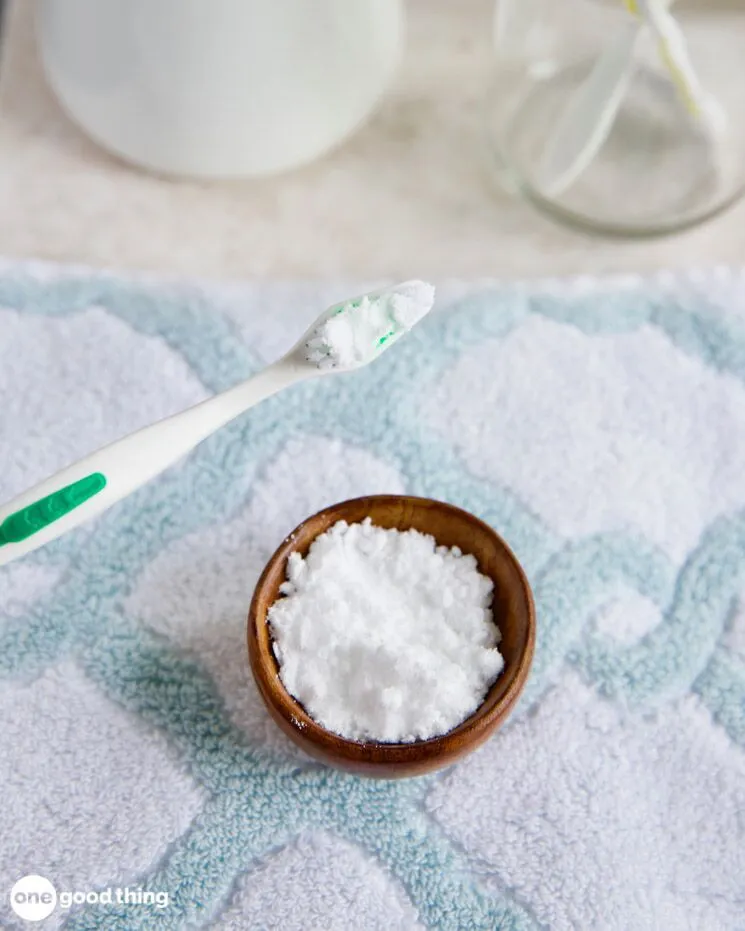
When applying the hydrogen peroxide and baking soda paste, use a soft-bristled toothbrush. Gently brush the mixture onto your teeth, ensuring all surfaces are covered. Avoid scrubbing too vigorously, as this can damage the enamel. The recommended brushing time is usually around 1-2 minutes. After brushing, rinse your mouth thoroughly with water to remove any remaining paste. Be careful not to swallow any of the mixture during the brushing or rinsing process. For best results, use the paste in conjunction with your regular brushing routine. Using this technique, you can maintain good oral hygiene while also benefiting from the whitening properties of the hydrogen peroxide and baking soda mixture. Always consult with your dentist for personalized advice on proper brushing techniques.
Whitening Schedule and Frequency

The frequency of using hydrogen peroxide and baking soda for teeth whitening is a key factor in achieving results and avoiding potential side effects. Generally, it is recommended to use the mixture no more than once or twice a week. Overuse can lead to increased tooth sensitivity and damage to the enamel. It is essential to monitor your teeth for any signs of sensitivity or irritation and to adjust the frequency accordingly. In addition to the frequency of use, it is important to consider the duration of the whitening treatment. For some people, noticeable results can be achieved within a few weeks, while others may take longer. The timeline for achieving your desired results will depend on the extent of the staining, the concentration of the hydrogen peroxide, and the frequency of use. It is always best to consult your dentist for personalized advice on an appropriate whitening schedule.
Expected Results and Timeline
The results from using hydrogen peroxide and baking soda for teeth whitening can vary from person to person. Some individuals may notice a slight improvement in the brightness of their teeth within a few weeks, while others may see more significant changes. The effectiveness of the treatment depends on various factors, including the type and severity of the stains, the concentration of hydrogen peroxide used, and the consistency of the application. It’s important to have realistic expectations and understand that at-home remedies typically provide less dramatic results than professional treatments. The timeline for achieving your desired level of whiteness will vary. It is recommended to take before-and-after photos to track your progress. If you do not see any improvement after a few weeks, consider consulting with your dentist for alternative solutions.
Before and After: What to Expect
Before starting any teeth-whitening treatment, it’s important to have a clear understanding of the potential outcomes. Before using hydrogen peroxide and baking soda, your teeth may appear stained or discolored due to various factors. After following the recommended guidelines, you can typically expect a gradual improvement in the brightness of your teeth. Surface stains may be reduced or eliminated, and your teeth may appear several shades lighter. However, it is essential to recognize that the results can vary. It’s important to manage your expectations and understand that at-home treatments often provide more subtle results. Keep in mind that the effectiveness depends on the nature of the stains and how consistently you follow the procedure. Maintaining a good oral hygiene routine and avoiding staining foods and drinks can help to prolong the whitening effects.
Potential Risks and Side Effects

While hydrogen peroxide and baking soda are generally safe when used correctly, there are potential risks and side effects to consider. The most common side effect is increased tooth sensitivity, which can manifest as a sharp, temporary pain in response to hot or cold temperatures. Other possible side effects include gum irritation, which can cause redness, swelling, or discomfort. Overuse or the use of high concentrations of hydrogen peroxide can increase the risk of enamel erosion, making the teeth more vulnerable to decay. It is important to be aware of these potential risks and to use hydrogen peroxide and baking soda with caution. If you experience any adverse effects, such as persistent sensitivity or gum irritation, discontinue use and consult your dentist. Be mindful of how often you are using the mixture to avoid potential side effects.
Sensitivity and Irritation
Tooth sensitivity is a common side effect of teeth-whitening treatments, including those using hydrogen peroxide and baking soda. It occurs when the whitening agents penetrate the enamel and reach the underlying dentin, which contains nerve endings. This can cause temporary discomfort in response to hot, cold, or sweet foods and beverages. Gum irritation, another potential side effect, can cause redness, swelling, and soreness. To minimize the risk of sensitivity, it is important to use the hydrogen peroxide and baking soda mixture sparingly and to follow the recommended guidelines for concentration and application. If you experience sensitivity, reduce the frequency of use or temporarily discontinue the treatment. If irritation persists, consult your dentist for advice on how to manage the side effects and ensure your oral health is well-maintained. Using a toothpaste designed for sensitive teeth can also provide relief.
Alternatives to Hydrogen Peroxide and Baking Soda
If hydrogen peroxide and baking soda are not suitable for you, or if you are not satisfied with the results, several alternatives are available. Professional teeth-whitening treatments performed by a dentist offer more dramatic and quicker results. These treatments typically involve the use of higher concentrations of hydrogen peroxide or other bleaching agents, and they are applied under careful supervision. Over-the-counter whitening products, such as whitening strips, toothpastes, and mouthwashes, also provide an alternative. These products typically contain lower concentrations of bleaching agents than professional treatments, making them a more affordable option. Lifestyle changes, such as avoiding staining foods and beverages and quitting smoking, can also help to maintain a brighter smile. The best approach depends on your individual needs and preferences, so consult your dentist for personalized recommendations.