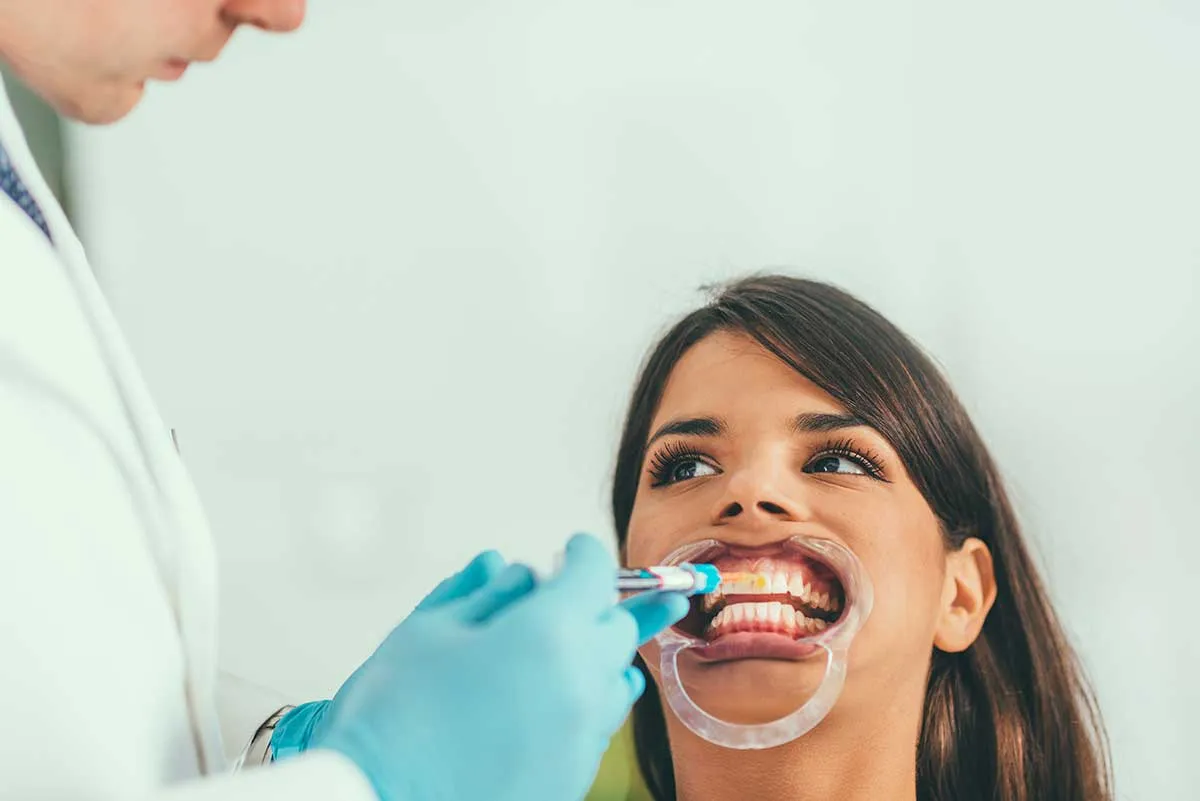
Understanding the Teeth Whitening Process
Teeth whitening, also known as bleaching, is a cosmetic dental procedure designed to lighten the color of your teeth. The process involves removing stains and discoloration, resulting in a brighter, more youthful smile. The effectiveness of teeth whitening depends on the type of stains, the level of discoloration, and the chosen whitening method. Teeth can become discolored due to various factors, including aging, genetics, diet, and lifestyle choices like smoking and consuming staining foods and drinks such as coffee, tea, and red wine. Teeth whitening is a popular and relatively safe procedure when performed under the guidance of a dental professional. It can significantly boost a person’s confidence and self-esteem, making it a worthwhile investment for many individuals seeking to improve their smile.
The Role of a Dentist in Teeth Whitening
A dentist plays a crucial role in the teeth whitening process, ensuring its safety and effectiveness. They begin by assessing your oral health, examining your teeth and gums to determine if you are a suitable candidate for whitening. Dentists can identify underlying dental issues, such as cavities or gum disease, which must be addressed before whitening. They also offer professional-grade whitening treatments, which are more potent than over-the-counter options and provide faster, more noticeable results. Furthermore, dentists can personalize the whitening process based on your specific needs and preferences, selecting the appropriate treatment option and strength of whitening agent. They also provide guidance on post-whitening care and tips for maintaining your brighter smile. Consulting with a dentist ensures a safe and effective teeth whitening experience, minimizing potential risks and maximizing the desired outcome.
Initial Consultation and Assessment

The initial consultation is a critical step in the teeth whitening process. During this appointment, the dentist will conduct a thorough examination of your oral health. This includes assessing the current condition of your teeth and gums, checking for cavities, gum disease, and existing dental work. They will also discuss your medical history, including any allergies or sensitivities you may have. The dentist will then evaluate the type and severity of stains on your teeth, determining the most appropriate whitening method. They will take photos of your teeth to track progress and may take impressions for custom whitening trays. This initial assessment helps the dentist determine if teeth whitening is suitable for you and what results you can realistically expect. The consultation also allows you to discuss your goals and concerns, ensuring a personalized treatment plan.
Types of Teeth Whitening Procedures
There are several teeth whitening procedures available, each with its advantages and disadvantages. The two primary categories are in-office whitening and take-home whitening kits, both of which a dentist can provide. In-office whitening involves the application of a high-concentration bleaching agent by a dental professional, often combined with a special light or laser to accelerate the process. This provides immediate results in a single visit. Take-home whitening kits consist of custom-fitted trays and a lower-concentration bleaching gel, which you apply at home for a specified period. This method is more gradual but offers flexibility and can be more affordable. Other options include whitening toothpaste, strips, and mouthwashes, which are less potent and primarily intended for maintenance or minor stain removal. The best option depends on your individual needs, the severity of staining, and your desired results, all of which will be determined in consultation with your dentist. (image: types-of-teeth-whitening.webp)
In-Office Teeth Whitening
In-office teeth whitening, also known as chairside bleaching, is a professional procedure performed by a dentist in their office. The process typically involves isolating the teeth with a protective barrier to shield the gums and soft tissues. A high-concentration whitening agent is then applied to the teeth. This agent often contains hydrogen peroxide or carbamide peroxide, which breaks down stains. To accelerate the whitening process, a special light or laser is often used. This light activates the whitening agent, enhancing its effectiveness. The treatment usually takes about an hour, and you can see immediate results, often several shades lighter. The dentist will monitor your progress and may apply multiple applications of the whitening agent to achieve the desired shade. This is the fastest way to whiten your teeth and is ideal for individuals who want immediate results. (image: in-office-teeth-whitening.webp)
Professional Take-Home Whitening Kits

Professional take-home whitening kits provide a convenient and effective way to brighten your smile in the comfort of your home. Your dentist will create custom-fitted trays based on impressions of your teeth, ensuring a precise fit and minimizing gum irritation. You will be provided with a professional-strength whitening gel containing a lower concentration of bleaching agent than in-office treatments. The dentist will instruct you on how to apply the gel to the trays and wear them for a specified period, usually for a few hours each day or overnight. The duration of treatment depends on the desired results and the severity of staining. This method offers greater flexibility and allows you to control the whitening process. While results are gradual, they are often more sustainable, and the custom-fitted trays reduce the risk of sensitivity. (image: take-home-teeth-whitening.webp)
Teeth Whitening Process Step-by-Step
The teeth whitening process involves several key steps, regardless of the chosen method. First, a thorough examination is conducted by the dentist to assess your oral health and determine if you are a suitable candidate. If you opt for in-office whitening, your teeth will be cleaned to remove any surface stains. A protective barrier is then applied to your gums and soft tissues to prevent irritation. The whitening agent is applied to your teeth, and a special light may be used to enhance the process. For take-home kits, the dentist will provide custom-fitted trays and instructions on how to apply the whitening gel. You will wear the trays for the recommended time each day. Regular follow-up appointments may be scheduled to monitor your progress. The process typically concludes with post-whitening care instructions, including tips for maintaining your brighter smile. (image: teeth-whitening-procedure.webp)
Preparing for the Procedure
Preparing for a teeth whitening procedure involves several steps to ensure the best possible results. Before any whitening treatment, it’s essential to have a dental check-up and cleaning. This will remove any plaque or tartar buildup and address any underlying dental issues. Your dentist may recommend treating any cavities or gum disease before whitening. Avoid foods and drinks that can stain your teeth, such as coffee, tea, and red wine, for at least a few days before the procedure. If you have sensitive teeth, your dentist may recommend using a desensitizing toothpaste a few weeks before treatment. For in-office whitening, make sure to schedule ample time for the appointment. If using a take-home kit, carefully follow the instructions provided by your dentist. Preparing properly will help you achieve the desired results and minimize potential complications.
The Whitening Treatment

During the whitening treatment, the dentist will apply the whitening agent to your teeth. For in-office procedures, the dentist carefully isolates your gums and soft tissues using a protective barrier. The whitening agent, usually a gel containing hydrogen peroxide or carbamide peroxide, is then applied to the surface of your teeth. A special light or laser may be used to activate the whitening agent, accelerating the process. The dentist will monitor your teeth and may reapply the whitening agent several times during the session. For take-home kits, you will apply the whitening gel to custom-fitted trays and wear them as instructed by your dentist. The active ingredients in the gel penetrate the enamel, breaking down stains and discolorations. The entire process is closely monitored to ensure your safety and achieve the desired level of brightness.
Post-Whitening Care
After your teeth whitening treatment, proper post-whitening care is crucial for maintaining your results. Avoid consuming staining foods and drinks, such as coffee, tea, red wine, and dark-colored berries, for at least 48 hours after the procedure, and ideally longer. Refrain from smoking, as it can quickly stain your teeth. Use a soft-bristled toothbrush and brush gently to avoid irritating your gums. Consider using a whitening toothpaste or a toothpaste designed for sensitive teeth. Stay hydrated by drinking plenty of water, which can help rinse away any lingering whitening agent. Schedule regular dental check-ups and cleanings to maintain your oral health and discuss any concerns with your dentist. Following these post-whitening care tips will help you enjoy your brighter smile for longer and minimize the risk of staining. (image: post-whitening-care.webp)
Maintaining Your Bright Smile
Maintaining your bright smile requires a commitment to good oral hygiene and lifestyle choices. Brush your teeth at least twice a day with a fluoride toothpaste. Floss daily to remove plaque and food particles from between your teeth. Visit your dentist for regular check-ups and cleanings. Avoid or limit the consumption of staining foods and drinks. If you do consume these items, rinse your mouth with water immediately afterward. Consider using a straw for beverages to minimize contact with your teeth. Avoid smoking and tobacco products. Use a whitening toothpaste as directed, but be mindful of overusing it, which can potentially cause sensitivity. Consider touch-up whitening treatments as needed to maintain your desired level of brightness. By consistently practicing these habits, you can significantly extend the lifespan of your teeth whitening results.
Tips for Prolonging Teeth Whitening Results

Several tips can help you prolong the results of your teeth whitening treatment. Maintain excellent oral hygiene by brushing twice a day and flossing daily. Schedule regular dental check-ups and professional cleanings to remove surface stains. Avoid or significantly reduce the consumption of staining foods and drinks, such as coffee, tea, red wine, and dark-colored berries. Use a straw when drinking beverages that can stain your teeth. If you smoke, consider quitting, as smoking can quickly discolor your teeth. Consider using a whitening toothpaste or a mouthwash to help maintain your bright smile. Touch-up whitening treatments, either in-office or with take-home kits, can be done periodically to refresh your results. By following these tips, you can enjoy your brighter, whiter teeth for an extended period.
Potential Risks and Side Effects
While teeth whitening is generally considered safe, it is essential to be aware of potential risks and side effects. The most common side effect is tooth sensitivity, which usually resolves within a few days after treatment. Gum irritation or inflammation can also occur, especially if the bleaching agent comes into contact with the soft tissues. In rare cases, whitening can cause uneven results, where some teeth whiten more than others. Whitening agents can also potentially cause minor enamel changes, although these are usually temporary and not clinically significant. Existing dental work, such as fillings and crowns, will not whiten, and the color difference between the natural teeth and these restorations may become more noticeable. It is crucial to discuss your medical history and any concerns with your dentist before undergoing treatment to minimize risks. (image: teeth-whitening-sensitivity.webp)
Managing Sensitivity and Other Concerns
Managing tooth sensitivity is a common concern after teeth whitening. Your dentist may recommend several strategies to alleviate sensitivity, such as using a desensitizing toothpaste containing potassium nitrate or fluoride, starting a few weeks before the procedure and continuing afterward. They may also suggest using a fluoride rinse. If sensitivity persists, your dentist may apply a desensitizing agent directly to your teeth. To minimize sensitivity, avoid extremely hot or cold foods and drinks for a few days after treatment. Other concerns, such as gum irritation, can be addressed by ensuring the protective barrier is properly applied during the procedure and by using a gentle toothbrush and technique. It is essential to follow your dentist’s instructions carefully and report any concerns or side effects promptly.
Alternative Teeth Whitening Methods

Besides professional teeth whitening treatments, various alternative methods are available, though they may not be as effective. Over-the-counter whitening products, such as strips, gels, and toothpastes, are readily available and can offer some degree of whitening. These products typically contain lower concentrations of bleaching agents and may take longer to produce noticeable results. Some natural remedies, such as activated charcoal and baking soda, are promoted for teeth whitening, but their effectiveness is questionable, and they may cause harm. Activated charcoal can be abrasive and potentially damage enamel, while baking soda can erode the enamel over time. The safety and effectiveness of alternative methods vary widely, and it is essential to consult with your dentist before trying any of these approaches to ensure they are safe and appropriate for your specific needs and oral health.
Over-the-Counter Products vs. Professional Treatment
The primary difference between over-the-counter (OTC) teeth whitening products and professional treatments lies in their strength and supervision. OTC products, such as whitening strips and toothpastes, typically contain lower concentrations of bleaching agents and are available without a prescription. They are generally less expensive and can be used at home. However, they may not be as effective for severe stains or discoloration, and results can be less dramatic. Professional teeth whitening treatments, performed by a dentist, use higher concentrations of bleaching agents and offer faster, more noticeable results. Your dentist can also address any underlying oral health issues and personalize the treatment to your specific needs. While professional treatments are more expensive, they offer greater safety, effectiveness, and the assurance of expert guidance. The best choice depends on your individual needs, the severity of staining, and your desired results. Consulting with your dentist can help you decide which option is best for you.
Choosing the Right Teeth Whitening Option
Choosing the right teeth whitening option depends on several factors. Consider the severity of your teeth staining. Mild staining might be addressed with over-the-counter products, while more severe discoloration often requires professional treatment. Think about your budget, as professional treatments are typically more expensive than OTC options. Evaluate your time commitment. In-office whitening offers immediate results, while take-home kits require consistent application over time. Consider your sensitivity level. If you have sensitive teeth, your dentist can recommend options to minimize discomfort. Your dentist will assess your oral health and determine if you are a good candidate for teeth whitening and which method would be most effective and safe for you. Taking the time to consider these factors and consulting with your dentist will help you choose the best teeth whitening option to achieve your desired results.
Factors to Consider

Several factors should be considered when planning for teeth whitening. The type and severity of your stains play a significant role in determining the effectiveness of the treatment. Your oral health, including the presence of cavities or gum disease, is crucial. Addressing any underlying issues before whitening is essential. Your lifestyle choices, such as smoking and your diet, can affect the longevity of your results. Your expectations about the desired outcome should be realistic, as the shade of your teeth can only be lightened to a certain extent. The cost of the treatment, including any follow-up care or maintenance, is also a consideration. Finally, your dentist’s recommendations and expertise are invaluable in selecting the most appropriate and safe treatment option. Considering these factors will help you make informed decisions about teeth whitening and achieve the best possible results.
Frequently Asked Questions about Teeth Whitening
Many people have questions about teeth whitening. Common inquiries include: Is teeth whitening safe? When performed by a dentist, teeth whitening is generally safe. How long do the results last? The results can last from several months to a few years, depending on your lifestyle and post-whitening care. Does teeth whitening hurt? Some sensitivity is possible, but it usually resolves quickly. Can anyone get their teeth whitened? Your dentist will assess your suitability for teeth whitening. Can I whiten my crowns or fillings? No, whitening agents only affect natural teeth. What is the best teeth whitening method? The best method depends on your individual needs and preferences; your dentist can advise you. Are over-the-counter products as effective? Over-the-counter products may provide some whitening, but results are often less dramatic and take longer. Consulting with your dentist to address these and other questions is crucial for making informed decisions about teeth whitening.