Teeth Whitening Opinions The Real Deal
Teeth whitening has become increasingly popular, with countless products and procedures promising a brighter, more confident smile. But what do the real teeth whitening opinions say? This article delves into the top five truths about teeth whitening, separating fact from fiction and providing a comprehensive overview of what you need to know before taking the plunge. From the effectiveness of different treatments to the potential risks and the best ways to maintain your newly whitened smile, we will explore the key aspects of this popular cosmetic procedure. Understanding these truths will empower you to make informed decisions and achieve the best possible results for your oral health and aesthetic goals.
Effectiveness of Teeth Whitening Treatments
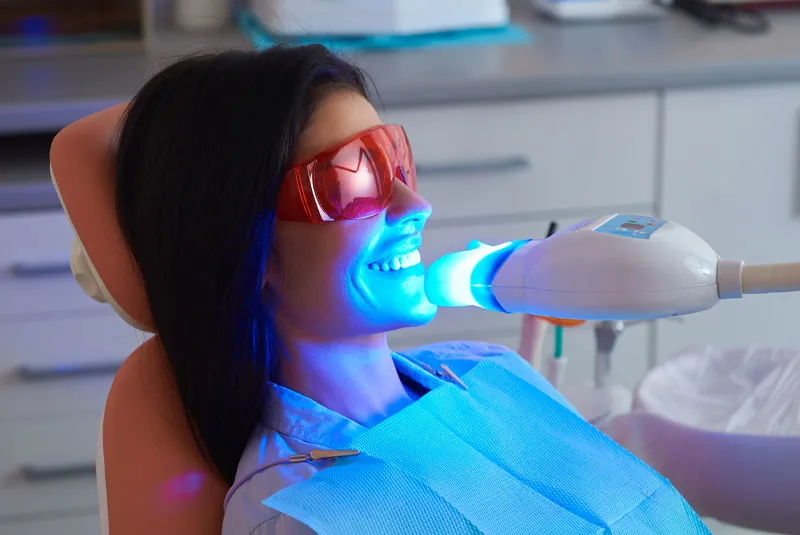
The effectiveness of teeth whitening treatments varies significantly depending on the method used. Professional treatments performed by a dentist, such as in-office whitening, typically yield the most dramatic and immediate results. These procedures often use higher concentrations of bleaching agents and can be combined with light or laser activation to accelerate the whitening process. On the other hand, over-the-counter products like whitening strips, toothpastes, and gels provide more modest results, and the time it takes to see visible changes can vary greatly depending on the product and the individual’s tooth structure. The effectiveness also depends on the type of stains present. Surface stains, such as those caused by coffee or tea, are generally easier to remove than intrinsic stains, which originate from within the tooth.
Professional Teeth Whitening vs. Over-the-Counter

When considering teeth whitening, a key decision is whether to opt for professional treatments or over-the-counter (OTC) options. Professional whitening offers several advantages, including stronger bleaching agents, customized trays for even application, and the expertise of a dental professional. This can lead to faster and more predictable results, as well as a lower risk of complications. OTC products, while more affordable and accessible, often contain lower concentrations of bleaching agents, leading to slower and less noticeable results. They may also pose a higher risk of uneven whitening or gum irritation if not used correctly. The choice between the two depends on your budget, the degree of whitening desired, and your overall oral health. Consulting with a dentist can help you make the best decision based on your individual needs.
Cost and Accessibility of Teeth Whitening
The cost and accessibility of teeth whitening treatments are important factors to consider. Professional teeth whitening is generally more expensive than OTC options, reflecting the higher cost of materials, equipment, and professional services. The price can vary depending on the type of treatment, the location, and the dentist’s fees. However, professional treatments may offer better value in the long run due to their effectiveness and the reduced risk of complications. Over-the-counter products are widely available at drugstores and supermarkets, making them more accessible to consumers. However, the effectiveness of these products can vary, and it is important to follow the instructions carefully to avoid any adverse effects. Always compare prices, read reviews, and consider the long-term benefits before making a decision.
Potential Risks and Side Effects
While teeth whitening is generally safe, it’s essential to be aware of potential risks and side effects. The most common side effects are tooth sensitivity and gum irritation. Tooth sensitivity can occur because the bleaching agents temporarily make the pores in the enamel more permeable, allowing the bleaching agents to reach the nerves in the teeth. Gum irritation, which may manifest as inflammation, redness, or soreness, can result from contact with the bleaching agents. These side effects are usually temporary and subside after a few days. However, in some cases, more serious complications can arise, such as damage to the tooth enamel or uneven whitening, especially if the treatment is not performed correctly or if it is overused. Therefore, it’s essential to consult with a dentist and follow their recommendations to minimize risks.
Sensitivity and Irritation
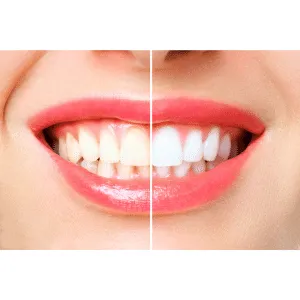
Tooth sensitivity and gum irritation are the most common side effects of teeth whitening. Sensitivity occurs due to the bleaching agents penetrating the enamel and affecting the nerves in the teeth. This can lead to sharp, temporary pain when consuming hot or cold foods and drinks. Gum irritation, often caused by the bleaching agent’s contact with the soft tissues of the mouth, can cause redness, swelling, and discomfort. These side effects are typically temporary, and most individuals experience relief within a few days after the treatment. Using desensitizing toothpaste, fluoride treatments, or adjusting the frequency and duration of the whitening sessions can mitigate these effects. If sensitivity or irritation persists or becomes severe, it’s important to consult with your dentist.
Damage to Tooth Enamel
While rare, there is a potential for damage to tooth enamel with teeth whitening treatments, particularly with overuse or improper use. Overusing whitening products or using products with excessively high concentrations of bleaching agents can weaken the enamel, making teeth more susceptible to cavities, erosion, and other dental problems. The risk is higher with OTC products due to the lack of professional supervision. In-office treatments, when performed by a dentist, are generally safer because professionals can control the bleaching process and monitor the health of the enamel. Following the instructions carefully and consulting with a dentist are essential to minimize the risk of damaging your enamel. Regular dental checkups can help detect and address any potential enamel issues early on.
Teeth Whitening and Maintenance
Maintaining a bright, white smile after teeth whitening requires consistent care and attention. The results of teeth whitening are not permanent, and teeth can gradually become discolored over time due to various factors. To prolong the effects of your whitening treatment, it’s crucial to adopt good oral hygiene practices and make informed lifestyle choices. This includes regular brushing and flossing, avoiding foods and drinks that stain teeth, and undergoing periodic touch-up treatments as recommended by your dentist. With the right maintenance routine, you can enjoy a long-lasting, radiant smile and preserve the investment you made in your teeth whitening procedure. Remember that maintaining a white smile is an ongoing process that requires dedication and consistency.
Tips for Maintaining a White Smile

Maintaining a white smile after teeth whitening involves several key strategies. Regular brushing and flossing are fundamental, removing plaque and preventing surface stains. Use a whitening toothpaste to further enhance your results and maintain your bright smile. Consider using a straw when drinking beverages that can stain your teeth, such as coffee, tea, and dark sodas. Rinse your mouth with water immediately after consuming these beverages to minimize staining. Avoid smoking and chewing tobacco, as these habits can cause significant discoloration. Schedule regular dental checkups and cleanings to maintain oral health and address any emerging stains. If needed, your dentist may recommend periodic touch-up treatments to refresh your whitening results. Consistency and good oral hygiene practices are the keys to a lasting white smile.
Foods and Drinks to Avoid
Certain foods and drinks can significantly impact the longevity of your teeth whitening results. To maintain your bright smile, it’s wise to limit your intake of these staining culprits. Coffee, tea, red wine, and dark sodas are well-known for their staining properties. Berries, such as blueberries, blackberries, and raspberries, can also contribute to discoloration. Tomato-based sauces and curries often contain pigments that stain teeth. Consider reducing your consumption of these items or rinsing your mouth with water immediately after consuming them. If you enjoy these items regularly, you may need to undergo touch-up whitening treatments more frequently. By being mindful of your diet, you can help preserve your white smile for a longer period.
Importance of Regular Dental Checkups
Regular dental checkups are critical for maintaining your oral health and the results of your teeth whitening treatment. During these checkups, your dentist can assess your teeth and gums, identify any potential issues, and provide professional cleaning to remove plaque and surface stains. They can also monitor the effectiveness of your whitening treatment and recommend appropriate maintenance strategies. Regular checkups allow your dentist to catch and address any dental problems early, preventing them from worsening and potentially affecting your smile’s appearance. Additionally, your dentist can offer valuable advice and guidance on maintaining your white smile, ensuring your oral health, and maximizing the benefits of your teeth whitening procedure. Schedule regular dental checkups, typically every six months, for optimal oral health and a lasting bright smile.