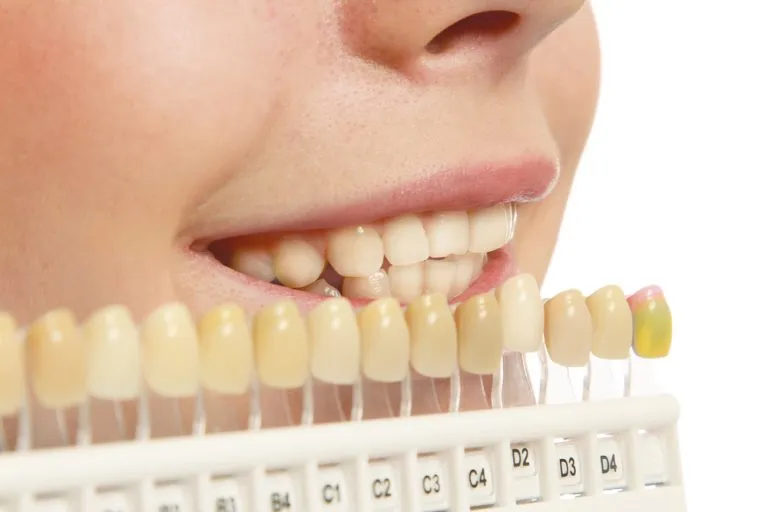
Understanding NHS Teeth Whitening Costs
Navigating the world of dental care, particularly concerning cosmetic procedures like teeth whitening, can be complex. The NHS (National Health Service) in the UK provides a range of dental treatments, but it’s crucial to understand what’s covered and what isn’t, especially regarding the cost. This guide aims to clarify the landscape of teeth whitening costs within the NHS framework. While many people desire a brighter smile, the NHS prioritizes treatments that are medically necessary. This often means that cosmetic procedures, including teeth whitening, aren’t typically covered under the standard NHS dental services. This initial section sets the stage by addressing the fundamental aspects of NHS dental charges, laying the groundwork for a more detailed exploration of teeth whitening specifically.
Eligibility for Teeth Whitening on the NHS
Eligibility for NHS dental services is primarily based on residency in the UK. However, the type of treatment you receive and whether it’s covered by the NHS also depends on your specific needs and the dentist’s assessment. Generally, the NHS focuses on providing necessary treatments to maintain oral health, such as fillings, extractions, and treatments for gum disease. Cosmetic procedures like teeth whitening are usually not deemed essential for oral health. Understanding the eligibility criteria is key. While the NHS provides excellent dental care, it is important to distinguish between treatments that are medically necessary and those that are primarily for aesthetic purposes. The NHS may offer teeth whitening in very specific situations, such as when there is a medical necessity or as a component of a larger treatment plan addressing a health issue, which is rare.
Who Qualifies for NHS Teeth Whitening

Generally, very few people will qualify for teeth whitening on the NHS. Qualification is usually limited to cases where discoloration is caused by a medical condition or is a direct result of necessary medical treatment. For example, if tooth discoloration is caused by a medication or a medical condition that impacts tooth enamel, the NHS might consider whitening as part of a broader treatment plan. However, this is not standard practice, and it is up to the discretion of the dental professional. The decision will hinge on a thorough assessment of your oral health. In most cases, NHS dentists will recommend alternative treatments or refer patients to private practices for cosmetic procedures. This is due to the prioritization of essential dental care within the NHS framework. The emphasis is placed on the health and functionality of the teeth rather than their appearance.
Specific Dental Conditions Covered
Specific dental conditions that may be covered by the NHS include treatments for decay, gum disease, and infections. These treatments aim to restore the health and functionality of the teeth and gums. Cosmetic treatments like teeth whitening usually are not a priority, since the NHS resources are geared towards addressing more pressing dental health concerns. In rare instances, if tooth discoloration is related to a covered medical condition, a dentist might include whitening as part of a broader treatment plan. This requires a thorough assessment and is not a standard offering. Always discuss your situation with your dentist, as they can assess your specific needs and provide the most appropriate advice.
The Cost of Different NHS Dental Treatments
NHS dental charges are structured into three bands. The cost for each band depends on the complexity of the treatment. Band 1 covers check-ups, examinations, and some preventative care, and is the least expensive. Band 2 includes treatments such as fillings, extractions, and root canal therapy, and is moderately priced. Band 3 includes more complex procedures such as crowns, bridges, and dentures, and is the most expensive. Understanding these bands is crucial for estimating the costs of any NHS dental treatment. However, because teeth whitening is not typically included in NHS services, it is unlikely to be included in these bandings. Additional costs may apply for any treatments provided outside the NHS scope, if available through your dentist. It’s always advisable to discuss the costs with your dentist before any treatment.
NHS Dental Banding and Charges Explained

The NHS dental banding system is designed to make dental care more accessible and affordable for everyone. Band 1 is the most affordable and covers a check-up, including an examination and any necessary advice. Band 2 includes all the treatments covered in Band 1, plus additional procedures like fillings, root canal treatments, and extractions. Band 3 includes all procedures in Bands 1 and 2, along with more complex treatments such as crowns, bridges, and dentures. Each band has a set charge, which is reviewed periodically. Knowing which band your required treatment falls under allows you to estimate your costs. The bands and charges may vary slightly depending on where you are located within the UK. Remember that since teeth whitening is usually considered a cosmetic procedure, it is generally not covered by the NHS. Always confirm the costs of your treatment with your dentist beforehand to avoid any unexpected expenses.
Teeth Whitening Not Usually Covered
As a general rule, teeth whitening is not covered by the NHS. This is primarily because teeth whitening is considered a cosmetic procedure, and the NHS focuses its resources on treatments that are medically necessary. This means that the NHS will not typically pay for teeth whitening, and patients who want to get this treatment will have to seek it privately. There are some very rare exceptions, like if teeth discoloration is caused by a medical condition or if the discoloration is a direct result of necessary medical treatment, but these are highly unusual. Patients interested in teeth whitening will typically have to consult a private dentist and pay the full cost of the treatment. This is why it’s important to understand the distinction between essential dental treatments covered by the NHS and cosmetic procedures that are generally excluded.
Why Teeth Whitening is Often a Cosmetic Treatment
Teeth whitening is primarily categorized as a cosmetic treatment because it addresses the appearance of the teeth rather than any underlying health issue. While stained or discolored teeth can affect a person’s confidence, the condition typically doesn’t pose a direct threat to oral health or overall physical health. This distinction is critical in the context of the NHS, which prioritizes treatments essential for maintaining oral health. Cosmetic treatments like teeth whitening improve the aesthetic appeal of the teeth. The NHS’s budget allocation favors treatments that address disease, infection, or physical dysfunction, thus excluding cosmetic procedures. Understanding this difference helps patients manage their expectations when considering teeth whitening and choose the right dental care approach.
Private vs. NHS Teeth Whitening

When considering teeth whitening, you’ll typically have to decide between private and NHS options. Since teeth whitening is generally not offered by the NHS, the primary route for this treatment is through private dental practices. Private treatments come with costs, which will depend on the clinic and the type of whitening performed. This includes things like consultation fees, the specific whitening method selected, and the dentist’s professional fees. The advantage of private teeth whitening is the greater choice of treatments, including in-office whitening and take-home kits, along with the flexibility to schedule appointments that suit you. In contrast, NHS dental services are more limited, with a focus on necessary treatments, and teeth whitening is rarely offered. The choice depends on your priorities, budget, and the level of aesthetic improvement you desire. Thorough research, including comparing prices and services among private dentists, will help make an informed choice.
Comparing Costs and Treatments
Comparing costs and treatments is crucial when opting for private teeth whitening. Prices vary depending on the type of whitening, the clinic’s location, and the expertise of the dentist. In-office whitening, usually performed by a dentist, tends to be more expensive but offers immediate results. Take-home kits, which involve custom trays and whitening agents, are usually more affordable but require several applications over a few weeks. When comparing, consider not just the initial cost but also the long-term maintenance and potential side effects of each method. Read reviews, check the dentist’s credentials, and ask for detailed quotes. Consider the reputation of the clinic and the experience of the dentist. Taking time to compare different options and asking the right questions will ensure you get the best value and results.
Finding an NHS Dentist for Whitening
Finding an NHS dentist who offers teeth whitening is very difficult, as it is rarely covered. Because teeth whitening is usually a cosmetic procedure, it is not a standard offering within the NHS. NHS dental services prioritize essential dental treatments. If you are seeking teeth whitening, you will likely need to look for private dental practices. The NHS website can assist you in finding a dentist near you. However, it is important to understand that even if you find an NHS dentist, they will likely not offer teeth whitening under the NHS. In most cases, they will refer you to a private dentist. It is always best to discuss your needs and options with a dental professional, who can provide advice on your specific situation. This will provide you with the most accurate and tailored information based on your dental needs.
How to Locate NHS Dental Services Near You

Locating NHS dental services near you is the first step in accessing NHS dental care. The NHS website provides a useful search tool to help you find local dentists. You can search by postcode or town, and it will show you a list of dentists in your area that are accepting new patients. NHS Choices also provides a directory of NHS services, including dental practices. Once you find a dentist, you can contact them to register or inquire about appointments. Some practices may have waiting lists, so it is always a good idea to contact multiple practices. NHS dental practices are typically identified by their affiliation with the NHS, and they should clearly state whether they are accepting new patients. While you may find an NHS dentist this way, remember that teeth whitening will most likely be available only through a private practice.
What to Expect During a Consultation
A dental consultation is the starting point for any teeth whitening treatment. During the consultation, your dentist will examine your teeth and gums, assess your overall oral health, and discuss your goals for whitening. The dentist will assess the cause of any discoloration, which helps to decide if you are a suitable candidate for teeth whitening. The dentist will also explain the different whitening options available, discussing their pros and cons. Expect the dentist to take photos of your teeth to compare before and after. They will discuss the costs of different treatments and answer your questions. This consultation is a crucial step, helping you understand the procedure, make informed decisions, and develop a plan for achieving a brighter smile. Ask questions, clarify any doubts, and ensure the dentist addresses all your concerns.
Discussing Treatment Options and Costs
During your consultation, the dentist will discuss your whitening options, which can include in-office whitening, take-home whitening kits, or a combination of both. In-office whitening offers immediate results, using a high-concentration whitening agent. Take-home kits provide a more gradual whitening effect, with custom trays and a lower concentration of bleach. The dentist will explain the advantages, disadvantages, and potential side effects of each. The dentist will also discuss the costs associated with each option, providing a detailed breakdown of the treatment charges. They will provide you with a written quote and discuss payment options. You should be prepared to discuss any potential risks or side effects. Make sure you feel comfortable and well-informed before making any decisions.
Exploring Alternative Teeth Whitening Methods

Besides professional teeth whitening, several alternative methods can improve your smile’s brightness. These range from over-the-counter products to other cosmetic dental procedures. Understanding these alternatives will help you make a well-informed decision based on your needs, budget, and lifestyle. While these alternatives may not deliver the same results as professional whitening, they can be a beneficial and cost-effective approach to enhancing your smile. It’s always essential to consult with a dentist before choosing any teeth whitening method. This will ensure it is safe and suitable for your individual oral health.
Over the Counter Products
Over-the-counter (OTC) teeth whitening products are widely accessible and come in various forms. Whitening toothpaste is an affordable choice, containing mild abrasives or chemicals to remove surface stains. Whitening strips are also readily available, offering a convenient way to whiten teeth at home. Whitening gels and pens can be applied directly to the teeth. These products are generally less potent than professional treatments, and they usually provide a more gradual whitening effect. However, be aware that they might not work for all types of stains, and results can vary. It is essential to follow the instructions carefully and be mindful of any potential side effects, like increased tooth sensitivity. Consider consulting a dentist for advice on the best OTC products for your specific needs and dental health.
Professional Teeth Whitening Options
Professional teeth whitening offers the most effective and controlled way to whiten your teeth. There are two main types of professional whitening In-office whitening, or chairside whitening, involves applying a high-concentration whitening gel to the teeth by a dentist. This is followed by a special light or laser to activate the whitening agent, delivering immediate results in a single appointment. Take-home whitening involves custom-fitted trays and a lower-concentration whitening gel. You wear the trays for a specific time each day, as recommended by your dentist. Take-home whitening provides more gradual results but is often more affordable. Regardless of the method, professional whitening provides the best results and minimizes risks, as it is performed under the supervision of a dental professional. The dentist can customize the treatment to suit your needs and monitor any potential side effects. This level of care ensures both the effectiveness and safety of your teeth whitening process.
Maintaining Your White Smile

Maintaining your newly whitened smile involves a combination of good oral hygiene practices, regular dental check-ups, and lifestyle adjustments. After a teeth whitening treatment, it is important to avoid substances that can stain your teeth. This includes coffee, tea, red wine, and heavily pigmented foods. Brushing and flossing regularly helps to remove surface stains and prevent new stains from forming. Regular dental check-ups and professional cleanings are essential for removing plaque and tartar and ensuring your teeth stay healthy. By implementing these strategies, you can prolong the results of your teeth whitening treatment and enjoy a brighter, more confident smile for a longer period.
Aftercare Tips for Teeth Whitening
Following the aftercare instructions provided by your dentist is crucial for maintaining your results after teeth whitening. This includes avoiding staining foods and drinks for a specific period. This is usually 24 to 48 hours immediately following the treatment. Regularly brushing and flossing will keep your teeth clean. Using a desensitizing toothpaste can help to reduce any temporary sensitivity. Avoid smoking and the use of tobacco products. It is important to maintain good oral hygiene, including regular dental check-ups and cleanings. Following these tips and the dentist’s recommendations ensures that the results of your whitening procedure are long-lasting and that you maintain a healthy, bright smile.
Maximizing Your Smile’s Brightness
Maximizing your smile’s brightness involves a consistent commitment to oral hygiene and lifestyle choices that support the longevity of your results. Regularly brushing with a whitening toothpaste can help maintain the brightness. Flossing daily removes food particles and plaque, which prevents staining. Avoid tobacco and reduce consumption of staining foods and drinks. Regular professional dental cleanings can remove surface stains and maintain overall oral health. Use a straw when drinking beverages that can stain your teeth. Consider using mouthwash to protect against stains and freshen your breath. By combining these habits and strategies, you can greatly extend the life and vibrancy of your white smile and keep your smile bright and healthy for years.