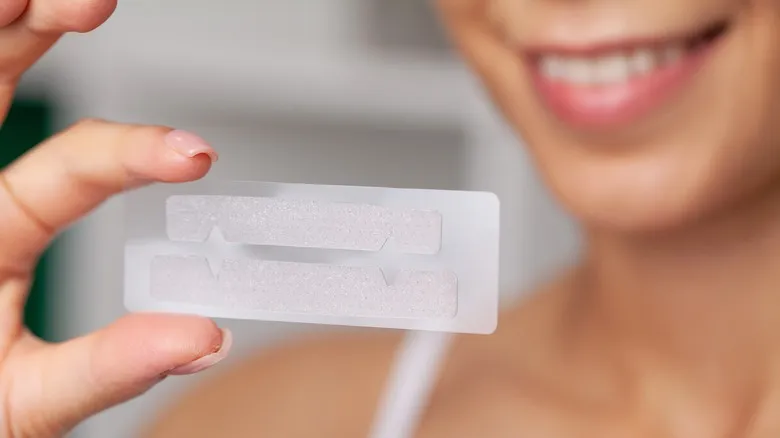
Understanding Hydrogen Peroxide for Teeth Whitening
Achieving a brighter smile is a common goal, and hydrogen peroxide is often touted as a readily available and affordable solution for teeth whitening. This article explores how hydrogen peroxide works to whiten teeth, the different concentrations available, and how to use it safely and effectively. It’s essential to approach this topic with an understanding of both the benefits and potential risks involved. Let’s dive into what hydrogen peroxide is, how it works its magic on our pearly whites, and what you should consider before starting any teeth whitening routine. Remember, consulting with a dental professional is always recommended before starting any new oral hygiene practice.
What is Hydrogen Peroxide?
Hydrogen peroxide (H2O2) is a chemical compound composed of hydrogen and oxygen. It is a mild antiseptic and oxidizing agent, meaning it can release oxygen and break down other substances. In the context of teeth whitening, hydrogen peroxide acts as a bleaching agent. When it comes into contact with the stained molecules in your teeth, it breaks them down, making the teeth appear lighter. The effectiveness of hydrogen peroxide in teeth whitening depends on its concentration, the duration of application, and the method used.
Different Concentrations Explained

Hydrogen peroxide is available in various concentrations, and the appropriate percentage for teeth whitening varies. The concentration is expressed as a percentage, indicating the ratio of hydrogen peroxide to water. For example, 3% hydrogen peroxide is a common concentration found in drugstores for general antiseptic use. Higher concentrations, such as those used by dentists, can range from 15% to 40% or even higher. The higher the concentration, the more potent the bleaching effect, but also the greater the potential for side effects, such as tooth sensitivity and gum irritation. It is vital to use the correct concentration for your teeth to avoid damage. Always read the product label and instructions carefully.
The Role of Hydrogen Peroxide in Whitening
Hydrogen peroxide’s whitening effect stems from its ability to penetrate the enamel of the teeth and break down the stain-causing molecules. These stains can be caused by various factors, including coffee, tea, red wine, and smoking. As the hydrogen peroxide molecules come into contact with these stains, they release oxygen molecules, which oxidize the stain particles. This process effectively lightens the color of the teeth. The longer the hydrogen peroxide is in contact with the teeth and the higher its concentration, the more effective the whitening process becomes, within safe limits. The duration of contact and the frequency of treatment also play a key role in the final outcome.
Effectiveness of Hydrogen Peroxide
The effectiveness of hydrogen peroxide for teeth whitening depends on several factors, including the concentration of the peroxide, the length of time it is applied, and the individual’s teeth and the nature of the stains. In general, higher concentrations of hydrogen peroxide will produce faster and more noticeable results. However, it is essential to balance effectiveness with safety. For instance, the concentration of hydrogen peroxide present in the whitening strips available over the counter is around 6% to 10%. These strips generally produce moderate results. The outcomes may vary from person to person depending on their diet, oral hygiene habits, and the severity of the stains. Regular dental check-ups and professional advice are crucial for maximizing effectiveness and ensuring safe use.
Hydrogen Peroxide Whitening at Home
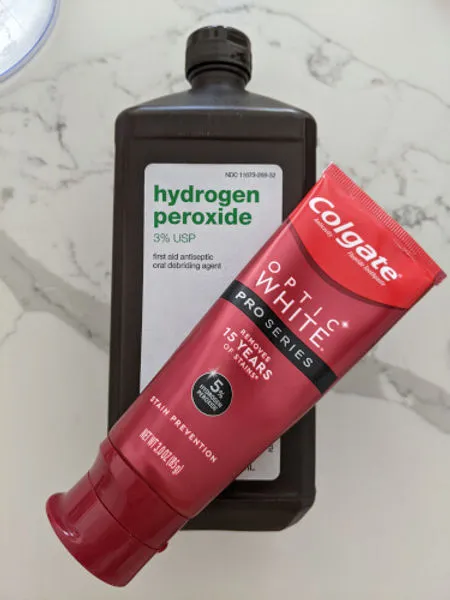
Several methods exist for using hydrogen peroxide to whiten teeth at home. These range from over-the-counter products to DIY solutions. It is crucial to follow instructions carefully and be aware of potential risks. Over-the-counter products, such as whitening strips and gels, often contain lower concentrations of hydrogen peroxide and are designed for safe, at-home use. DIY methods, which may involve mixing hydrogen peroxide with baking soda or other ingredients, are less regulated and may pose higher risks. Always consult your dentist before trying at-home whitening methods to ensure they are suitable for your dental health. Using the proper techniques can significantly improve the results, but improper techniques can lead to irritation and other issues.
Choosing the Right Concentration
When choosing hydrogen peroxide for at-home teeth whitening, the concentration is a crucial factor. The recommended concentration for home use typically ranges from 3% to 10%. Concentrations higher than 10% should only be used under the supervision of a dentist, as they can increase the risk of tooth sensitivity and gum irritation. If you are considering a DIY method, it is highly recommended to consult your dentist regarding the appropriate concentration. They can evaluate your oral health and recommend a safe and effective approach tailored to your needs. Start with a lower concentration and gradually increase if needed, always following the instructions carefully.
Application Methods
Several application methods are commonly used for at-home teeth whitening with hydrogen peroxide. Whitening strips are a popular and easy-to-use option, which contain a gel with hydrogen peroxide that adheres directly to the teeth. Whitening trays are another option; custom-fitted trays, often provided by your dentist, can be filled with a whitening gel and worn for a specified time. You can also find toothpastes that incorporate hydrogen peroxide. When using any method, it is crucial to follow the manufacturer’s instructions carefully. Avoid swallowing the product, and be cautious to avoid contact with your gums, as this can cause irritation. Brushing with a toothpaste that contains hydrogen peroxide is also an option for daily use. These methods, when used correctly, can significantly enhance the brightness of your smile.
Potential Risks and Side Effects

While hydrogen peroxide can be effective for teeth whitening, it is essential to be aware of potential risks and side effects. Tooth sensitivity is a common side effect, especially with higher concentrations of hydrogen peroxide. This sensitivity can manifest as a sharp pain or discomfort when consuming hot or cold foods and drinks. Gum irritation or inflammation is another potential side effect; this can cause your gums to appear red, swollen, and tender. Overuse of hydrogen peroxide can also lead to enamel erosion, which can weaken the teeth and make them more susceptible to cavities. Therefore, it is crucial to use hydrogen peroxide safely and in moderation, following the instructions and consulting with a dentist.
Professional Teeth Whitening Alternatives
While hydrogen peroxide can be a viable option for at-home teeth whitening, several professional teeth whitening alternatives exist. These treatments are administered by a dentist and often involve higher concentrations of hydrogen peroxide or other bleaching agents, resulting in faster and more dramatic results. Professional treatments also provide a controlled environment, reducing the risks associated with improper use. If you are looking for significant results, professional treatments could be an option. Your dentist can help you decide which teeth whitening procedure is the most appropriate for your needs.
Whitening Treatments
Professional teeth whitening treatments can vary, but they generally involve the application of a high-concentration bleaching agent to the teeth. This can be done in the dental office, or a dentist can provide custom-fitted trays for at-home use with a stronger bleaching agent than available over the counter. Some treatments also involve the use of specialized lights or lasers to activate the bleaching agent and accelerate the whitening process. The duration of these treatments can vary depending on the method used. During the procedure, your dentist will protect your gums and soft tissues to minimize the risk of irritation. They can monitor your progress and address any sensitivity issues promptly.
Benefits of Professional Whitening

Professional teeth whitening offers several benefits compared to at-home methods. One of the most significant advantages is the ability to achieve more dramatic and faster results. Dentists can use higher concentrations of bleaching agents, which can effectively lighten teeth several shades in a single session. Professional treatments are also conducted in a controlled environment, reducing the risk of side effects and complications. Dentists have the expertise to assess your oral health and recommend the most suitable treatment option. They can also address any sensitivity issues and provide guidance on maintaining your results. Professional whitening ensures your smile will be radiant and beautiful.
In conclusion, hydrogen peroxide can be an effective agent for teeth whitening, but it’s crucial to understand the different concentrations, methods of application, and potential risks. Always prioritize safety, follow instructions carefully, and consider consulting your dentist for personalized advice. Whether you choose at-home methods or professional treatments, maintaining good oral hygiene is essential for a healthy, bright smile.