Is Teeth Whitening Healthy? An Overview
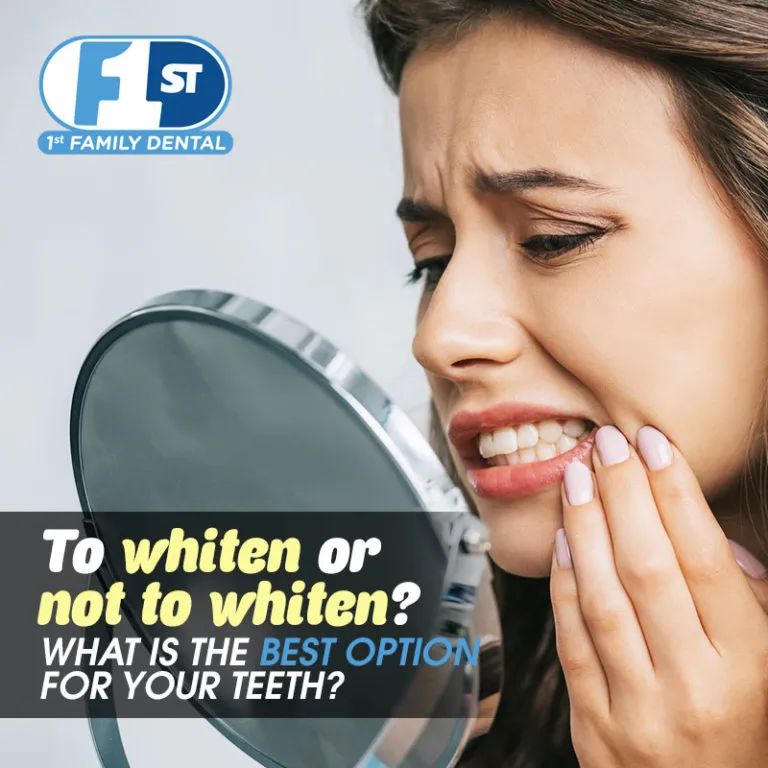
Teeth whitening has become a popular cosmetic procedure, promising a brighter, more confident smile. But with its increasing popularity, questions about its safety and impact on oral health have also risen. Many people wonder is whitening your teeth healthy. This article delves into the science behind teeth whitening, the different methods available, and the crucial factors to consider to ensure your teeth whitening experience is both effective and healthy. Understanding the potential risks and benefits is key to making informed decisions about your dental care and maintaining a radiant smile. This guide will help you navigate the world of teeth whitening, empowering you to prioritize both aesthetics and well-being.
The Science Behind Teeth Whitening
The process of teeth whitening revolves around chemical reactions that break down stain molecules within the enamel of your teeth. The primary active ingredient in most whitening products is either hydrogen peroxide or carbamide peroxide. These chemicals penetrate the enamel and dentin layers, where they oxidize the stain molecules, effectively breaking them down into smaller, less visible particles. This process does not remove the enamel itself, but rather alters the appearance of the teeth by lightening the discolored substances. The concentration of the active ingredient, the duration of the treatment, and the method of application all play significant roles in the effectiveness of the whitening process.
How Teeth Whitening Works

Teeth whitening works by using bleaching agents, typically hydrogen peroxide or carbamide peroxide, to penetrate the enamel and dentin of your teeth. These agents break down the stain molecules that cause discoloration. The process begins with the application of the whitening agent, which can be in the form of gels, strips, or trays. The agent remains in contact with the teeth for a specific duration, allowing the chemicals to react with the stain molecules. The oxidation process then lightens the stains, making the teeth appear brighter. The effectiveness of the whitening depends on the concentration of the agent, the contact time, and the type of stains present.
Types of Teeth Whitening Procedures
There are several methods for teeth whitening, each with its own advantages and considerations. Over-the-counter options, such as whitening strips and toothpastes, are readily available and offer a more affordable approach. These products typically contain lower concentrations of the active ingredients and may take longer to produce noticeable results. Professional whitening, performed by a dentist, involves stronger bleaching agents and can provide more dramatic results in a shorter timeframe. This can include in-office treatments using light activation or custom-fitted trays for at-home use under professional supervision. The choice of method depends on individual needs, the severity of the stains, and the desired outcome. Another option are the whitening pens, which are easy to use and more effective than the whitening toothpastes.
Top 5 Facts About the Health of Teeth Whitening
Fact 1 Impact on Enamel

One of the primary concerns regarding teeth whitening is its potential impact on tooth enamel. While professional treatments are generally safe, overuse or improper application of whitening products can lead to enamel erosion. This is because the bleaching agents, while effective at removing stains, can also slightly weaken the enamel structure. This can make teeth more susceptible to sensitivity and cavities over time. It’s essential to follow the instructions carefully and avoid excessive whitening to minimize the risk of enamel damage. If you have any concerns, consult with your dentist about any potential impact on enamel.
Fact 2 Gum Sensitivity
Gum sensitivity is a common side effect of teeth whitening. The bleaching agents can irritate the soft tissues of the gums, leading to temporary inflammation and discomfort. This sensitivity is usually mild and subsides shortly after the treatment is completed. To minimize gum irritation, dentists often use protective barriers to shield the gums during in-office procedures. It’s also important to apply whitening products precisely, avoiding contact with the gums. If sensitivity persists or worsens, it’s advisable to consult a dentist to rule out any underlying issues or adjust the whitening plan.
Fact 3 Ingredients and Allergies
The ingredients in teeth whitening products can cause allergic reactions in some individuals. The most common active ingredient, hydrogen peroxide, is generally safe but can trigger sensitivity in certain cases. Other ingredients, such as flavoring agents and preservatives, may also cause allergic responses. It is important to check the product label for a full list of ingredients and consult with your dentist or a healthcare professional if you have any known allergies. If you experience any adverse reactions, such as swelling, rash, or difficulty breathing, seek medical attention immediately. Furthermore, always use products from reputable brands.
Fact 4 Overall Oral Health

Teeth whitening can be part of a comprehensive approach to maintaining overall oral health. By improving the appearance of your teeth, whitening can boost your confidence and encourage better oral hygiene practices. However, teeth whitening does not replace the need for regular dental check-ups, professional cleanings, and proper brushing and flossing. While it can remove surface stains, it won’t address underlying dental problems such as cavities or gum disease. Maintaining good oral health is a crucial foundation for the safety and effectiveness of teeth whitening.
Fact 5 Professional vs DIY
Choosing between professional teeth whitening and DIY options involves weighing the benefits and risks of each. Professional treatments, performed by a dentist, offer stronger bleaching agents and often deliver faster, more dramatic results. They also provide the benefit of expert supervision, reducing the risk of complications and ensuring the process is tailored to your specific needs. DIY options, such as over-the-counter products, are more affordable and convenient but may be less effective and carry a higher risk of misuse. Consulting a dentist before any teeth whitening procedure, whether professional or DIY, is crucial to determine the safest and most effective approach for your individual oral health.
Healthy Teeth Whitening Best Practices
Consulting Your Dentist

Before starting any teeth whitening treatment, it’s essential to consult with your dentist. A dentist can assess your oral health, identify any underlying issues that may affect the whitening process, and recommend the most appropriate treatment plan. They can also discuss potential risks and side effects, ensuring you make an informed decision. Your dentist can also provide professional whitening options or recommend safe over-the-counter products. Regular dental check-ups are a crucial step in maintaining good oral health and ensuring a successful teeth whitening experience.
Choosing the Right Products
When selecting teeth whitening products, choose reputable brands and products that have been proven safe and effective. If using over-the-counter products, read and follow the instructions carefully. Pay attention to the concentration of the active ingredient, the recommended usage duration, and any potential side effects. If you’re considering professional whitening, discuss the available options with your dentist. They can recommend the most suitable products and methods based on your individual needs and oral health. Avoid products with excessive abrasive components, and always prioritize products that promote both cosmetic and oral health benefits.
Aftercare and Maintenance
Proper aftercare is essential to maintain the results of teeth whitening and protect your oral health. After whitening, avoid foods and drinks that can stain your teeth, such as coffee, tea, red wine, and dark-colored sauces, for at least a few days. Maintain a consistent oral hygiene routine, including brushing twice a day, flossing daily, and using mouthwash. Consider using a whitening toothpaste to help maintain the brightness of your teeth, but use it as directed to avoid over-abrasion. Regular dental check-ups and cleanings are also crucial for maintaining your white smile and overall oral health.
Conclusion Is Teeth Whitening Healthy?

Is whitening your teeth healthy? Teeth whitening, when done correctly and under the guidance of a dental professional, can be a safe and effective way to enhance your smile. Understanding the science behind the process, potential risks, and best practices can help you make informed decisions. Consulting with your dentist, choosing the right products, and following aftercare instructions are crucial to ensuring a healthy and successful teeth whitening experience. Prioritize your oral health by maintaining regular dental check-ups, practicing good oral hygiene, and being mindful of the potential impacts of the whitening process. By doing so, you can confidently achieve a brighter, healthier smile. Always consult with a dentist before any teeth whitening procedure.