
Understanding Dental Insurance and Teeth Whitening
Achieving a brighter, whiter smile is a common goal, and teeth whitening has become a popular cosmetic procedure. However, the cost of these treatments can be a significant factor. Dental insurance can potentially offset these costs, but understanding the nuances of coverage is essential. This guide will delve into the world of dental insurance and teeth whitening, providing you with the knowledge to make informed decisions about your oral health and finances. We’ll explore the different types of whitening procedures, how insurance plans work, and how to find the best coverage options for your needs. Whether you’re considering professional treatments or at-home kits, this information will help you navigate the complexities of dental insurance and achieve the smile you desire.
What is Teeth Whitening
Teeth whitening, also known as tooth bleaching, is a cosmetic dental procedure designed to lighten the color of your teeth. It involves removing stains and discoloration caused by various factors such as food, drinks, tobacco use, and aging. The process typically uses bleaching agents, such as hydrogen peroxide or carbamide peroxide, to break down the stain molecules within the enamel and dentin of the teeth. The effectiveness of teeth whitening can vary depending on the type of treatment, the severity of the stains, and individual factors like tooth structure and the patient’s oral hygiene habits. Understanding the different methods available is crucial for setting realistic expectations and choosing the right approach for your desired results.
Different Types of Teeth Whitening Procedures
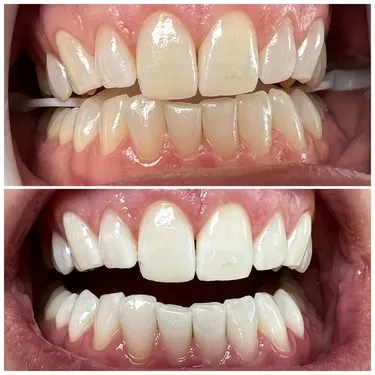
Teeth whitening procedures come in several forms, each with its own benefits and considerations. They broadly fall into two categories professional and at-home treatments. Professional whitening is typically performed in a dental office, offering the most potent bleaching agents and immediate results. At-home kits, available over-the-counter or prescribed by your dentist, provide a more gradual approach with varying levels of effectiveness. Understanding these different options is important for selecting the most suitable method for your needs and preferences.
Professional Teeth Whitening
Professional teeth whitening, performed by a dentist, is generally the most effective and fastest way to whiten teeth. The process typically involves a higher concentration of bleaching agents than at-home kits, resulting in more dramatic results in a shorter time. The dentist will protect your gums and soft tissues before applying the whitening agent to your teeth. The procedure often includes multiple applications, sometimes with the use of a special light or laser to accelerate the whitening process. Professional whitening is ideal for those seeking significant improvement in a single session and who want the expertise of a dental professional to ensure safety and effectiveness.
At-Home Teeth Whitening Kits
At-home teeth whitening kits offer a more convenient and cost-effective alternative to professional treatments. These kits come in various forms, including whitening strips, trays with gel, and whitening toothpastes. Over-the-counter kits typically contain lower concentrations of bleaching agents, resulting in a more gradual whitening process. Prescription kits, often provided by your dentist, may contain stronger bleaching agents and custom-fitted trays for a more effective treatment. While at-home kits are generally safe, it’s essential to follow the instructions carefully and consult with your dentist to ensure they’re suitable for your specific needs and oral health.
Does Dental Insurance Cover Teeth Whitening

Whether dental insurance covers teeth whitening depends on several factors, primarily the type of insurance plan you have and the specific terms of your policy. Generally, teeth whitening is considered a cosmetic procedure, and most dental insurance plans do not cover cosmetic treatments. However, some plans may offer partial coverage or may cover teeth whitening if it’s deemed medically necessary. Understanding your insurance policy’s details and consulting with your insurance provider is crucial to determine your coverage options. It’s also essential to consider any waiting periods or limitations that may apply before benefits become available.
Factors Affecting Coverage
Several factors influence whether your dental insurance will cover teeth whitening. The most significant factor is the type of insurance plan you have. Plans may vary in their coverage of cosmetic procedures. Another factor is the specific terms and conditions of your policy, including any exclusions or limitations. Some plans may have waiting periods before you can utilize certain benefits, while others may limit the amount they will pay for cosmetic treatments. The reason for the teeth whitening, i.e. if it’s a result of a medical condition, could also play a role in coverage. Moreover, the insurance provider’s policies and their interpretation of medical necessity can also impact coverage decisions.
Types of Dental Insurance Plans
Different types of dental insurance plans offer varying levels of coverage. Understanding these plan types will help you assess your chances of coverage for teeth whitening. Indemnity plans, also known as fee-for-service plans, allow you to choose any dentist, but they often have higher premiums and may not cover cosmetic procedures. Preferred Provider Organization (PPO) plans offer a network of dentists, providing discounted rates and potentially covering some cosmetic treatments. Dental Health Maintenance Organization (DHMO) plans usually have lower premiums, but you must choose a dentist within the network, and coverage for cosmetic procedures is often limited. It’s important to choose a plan that matches your specific dental care needs and financial preferences.
Factors Influencing Coverage

When determining coverage, insurance providers assess several factors. First, they evaluate whether the procedure is considered cosmetic or medically necessary. Generally, teeth whitening is viewed as cosmetic, which means coverage is less likely. Secondly, they review the specific terms of your policy, including any exclusions, limitations, and waiting periods. Pre-existing conditions may also influence coverage decisions. For example, if your teeth discoloration is due to a pre-existing condition, coverage may be affected. The insurance provider’s interpretation of the policy and its definition of ‘medical necessity’ also play a crucial role in determining whether to cover the cost of teeth whitening.
Finding Dental Insurance that Covers Teeth Whitening
Finding dental insurance that covers teeth whitening requires thorough research and comparison of different plans. It’s essential to understand what coverage options are available and to identify plans that align with your needs. The process involves researching insurance providers, comparing dental plans, and carefully reviewing the fine print of each policy to ensure it includes the desired coverage for cosmetic procedures. Furthermore, maximizing your coverage through strategic planning and knowing how to submit claims effectively can help you get the most out of your dental insurance plan.
Researching Insurance Providers
Begin by researching various insurance providers in your area. Look for companies known for their comprehensive dental coverage and positive customer reviews. Many providers offer online tools and resources that allow you to compare plans and understand their coverage details. Check the provider’s website for plan options and whether they offer coverage for cosmetic procedures such as teeth whitening. Consulting with a dental professional who can recommend insurance plans that align with your needs is always a good idea. Consider the provider’s network of dentists and whether you are comfortable with the dentist’s in-network options.
Comparing Dental Plans

Once you’ve identified potential insurance providers, compare their dental plans side by side. Evaluate the premiums, deductibles, co-pays, and annual maximum benefits. Carefully review the coverage details for cosmetic procedures to see if teeth whitening is included and what the limitations might be. Compare the network of dentists associated with each plan and whether they accept new patients. Consider the waiting periods for specific treatments and whether the plan offers any discounts or incentives for preventive care. Choose the plan that offers the most comprehensive coverage for your needs while staying within your budget.
Reading the Fine Print
Before enrolling in a dental insurance plan, meticulously read the fine print of the policy. Pay close attention to the exclusions, limitations, and waiting periods that apply to teeth whitening. Understand what specific procedures are covered, the percentage of the cost the insurance will pay, and any annual maximum benefits for cosmetic treatments. Take note of any pre-existing conditions clauses that might affect your coverage. Clarify any uncertainties with the insurance provider to ensure you fully understand the terms of the policy before committing. Ensure there are no hidden fees, and familiarize yourself with the claims process.
Maximizing Your Coverage
To maximize your coverage for teeth whitening, explore various strategies. Firstly, consider choosing a dental insurance plan that offers at least partial coverage for cosmetic procedures. Secondly, understand how to properly submit claims to ensure timely processing and reimbursement. Thirdly, consider negotiating with your insurance provider if you have questions or concerns about your coverage. This can help you clarify the terms of the plan and potentially obtain more favorable coverage options. Additionally, consider any supplemental benefits or discounts offered by your insurance plan, such as those related to preventive care. Consider if the dentist offers any special pricing or payment options for teeth whitening.
Submitting Claims

To submit a claim for teeth whitening, follow the guidelines provided by your dental insurance provider. Ensure that you have all the necessary documentation, including the dentist’s invoice and any supporting medical records. Submit the claim promptly after receiving the treatment to avoid any delays in processing. Keep copies of all submitted documents for your records. You can typically submit claims online, by mail, or through your insurance provider’s mobile app. Contact your insurance provider if you have questions about the claims process or encounter any issues with your submission. Ensuring accurate and complete claim submission increases your chances of timely and successful reimbursement.
Negotiating with Your Insurance Provider
Negotiating with your insurance provider can sometimes yield better coverage options or clarify unclear policy terms. If you have questions or concerns about the coverage for teeth whitening, contact the provider’s customer service to discuss your situation. Prepare a list of questions and document your conversation, including the date, time, and representative you spoke with. You can also attempt to negotiate the specific terms of the policy, such as waiting periods or the definition of ‘medical necessity.’ However, keep in mind that insurance policies are generally standardized, so significant changes are unlikely. Focus on gaining a clear understanding of your coverage and any potential limitations.
Alternatives to Dental Insurance for Teeth Whitening
If dental insurance doesn’t fully cover teeth whitening, explore alternative options to reduce the cost. Consider payment plans and financing options offered by your dentist or a third-party financing company. These plans allow you to spread the cost over several months or years. Look for discounts and promotions, such as those offered by dental practices during certain times of the year or for new patients. Compare the costs of at-home teeth whitening kits, which are generally more affordable than professional treatments. If the discoloration is minor, over-the-counter whitening products might suffice. Evaluate all available options to find the most cost-effective way to achieve the desired results.
Payment Plans and Financing Options

Many dental practices and third-party financing companies offer payment plans and financing options for teeth whitening. These plans allow you to divide the cost of the treatment into manageable monthly payments. Interest rates and terms vary, so compare the options carefully before making a decision. Ensure the payment plan fits your budget and understand the total cost, including any interest or fees. This can make professional teeth whitening more accessible and help you avoid paying the entire cost upfront. Inquire with your dentist about any in-house payment plans, as they might provide more favorable terms.
Discounts and Promotions
Keep an eye out for discounts and promotions offered by dental practices. Many practices have seasonal specials or offer discounts to new patients. Check their websites, social media pages, or promotional materials for any active deals. Group discounts may be available if you and a friend or family member undergo teeth whitening together. Some dentists offer discounts on the combination of teeth whitening with other procedures. Participating in a dental practice’s loyalty program could also lead to savings. By being aware of available promotions, you can reduce the overall cost of teeth whitening.
Maintaining Your White Smile
Maintaining your newly whitened smile involves post-whitening care and a consistent oral hygiene routine. Following your dentist’s instructions and adopting healthy habits will ensure that your results last as long as possible. This includes proper brushing and flossing, regular dental check-ups, and avoiding foods and drinks that can stain your teeth. Additionally, consider using at-home maintenance products to keep your teeth bright and maintain your investment. Your long-term commitment to maintaining your oral health plays a significant role in preserving your beautiful smile.
Post-Whitening Care
After teeth whitening, follow your dentist’s post-treatment instructions carefully. They might recommend avoiding certain foods and drinks, such as coffee, tea, red wine, and dark-colored sauces, for a period to prevent staining. Avoid smoking or using tobacco products. Use a soft-bristled toothbrush and a whitening toothpaste designed for sensitive teeth, if needed. Your dentist may recommend a fluoride treatment to strengthen your enamel. Regular dental check-ups and cleanings are essential to maintain your oral health and the results of your teeth whitening treatment.
Oral Hygiene Routine
Maintaining a consistent oral hygiene routine is crucial for preserving your white smile. Brush your teeth at least twice a day for two minutes each time, using a fluoride toothpaste. Floss daily to remove plaque and food particles from between your teeth. Consider using an antiseptic mouthwash to kill bacteria and freshen your breath. Schedule regular dental check-ups and professional cleanings. Avoid sugary snacks and drinks, which can contribute to tooth decay and discoloration. If you consume staining foods or drinks, rinse your mouth with water afterward. Implementing a comprehensive oral hygiene routine is a proactive approach to keeping your teeth bright and healthy.
Conclusion
Navigating the world of dental insurance and teeth whitening requires careful consideration of your needs, the options available, and the specific terms of your insurance plan. While coverage for teeth whitening may be limited, understanding your policy and exploring alternative payment options can help you achieve a brighter smile. By researching different plans, understanding the factors affecting coverage, and practicing good oral hygiene, you can make informed decisions about your dental care and achieve the smile you desire. Remember to consult with your dentist and insurance provider for personalized guidance and to ensure you’re receiving the best possible care and coverage.