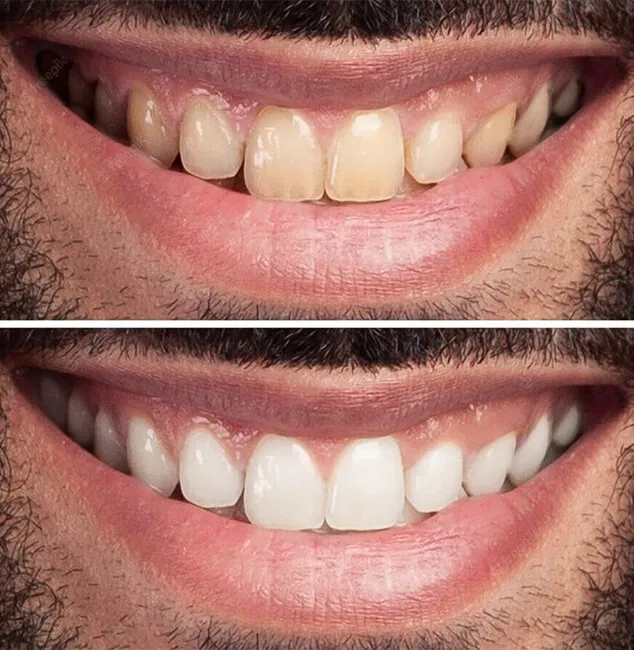
Understanding the Link Between Teeth Whitening and Cancer
The intersection of teeth whitening and cancer is a complex area that warrants careful consideration. While teeth whitening is a popular cosmetic procedure, concerns have been raised regarding potential risks, particularly for individuals with a history of cancer or undergoing treatment. The primary concern revolves around the chemicals used in whitening products and their potential impact on oral health and overall well-being. It is crucial to approach this topic with a balanced perspective, acknowledging the benefits of teeth whitening while remaining vigilant about possible adverse effects, especially in the context of cancer.
The Chemicals in Teeth Whitening Products
Teeth whitening products typically contain active ingredients like hydrogen peroxide or carbamide peroxide, which act as bleaching agents. These chemicals penetrate the enamel and dentin of the teeth to break down stain molecules, resulting in a brighter smile. The concentration of these chemicals varies depending on the product type, ranging from low concentrations in over-the-counter products to higher concentrations used in professional treatments. Other ingredients often include stabilizers, flavoring agents, and preservatives. Understanding the composition of these products is crucial for evaluating the potential risks and benefits associated with their use, particularly in vulnerable populations such as cancer patients or those with a history of the disease. The use of such products should be under the supervision of a dentist.
Hydrogen Peroxide and Carbamide Peroxide Risks

Hydrogen peroxide and carbamide peroxide, the primary bleaching agents in teeth whitening products, have the potential to cause certain risks. Hydrogen peroxide, in high concentrations, can irritate the gums and soft tissues of the mouth, leading to inflammation or even chemical burns. Carbamide peroxide, which breaks down into hydrogen peroxide, poses similar risks. In some studies, there have been concerns raised about the potential for these chemicals to generate free radicals, which can damage cells and contribute to the development of cancer. While the evidence is not conclusive, it is important to consider these risks, especially for individuals with compromised immune systems, such as those undergoing cancer treatment, as their bodies might be less able to repair any damage caused by free radicals. The exposure and concentration of peroxide should be taken into account when choosing products.
The Role of Free Radicals in Cancer Development
Free radicals are unstable molecules that can damage cells and DNA, contributing to the development and progression of cancer. They are formed through various processes, including exposure to environmental toxins, UV radiation, and inflammation. Antioxidants, which are found in many foods, can neutralize free radicals and protect cells from damage. The concern with teeth whitening products is that the bleaching agents might increase the production of free radicals in the mouth, potentially increasing the risk of oral cancer or exacerbating existing cancerous conditions. The mouth is a sensitive area, and any increased oxidative stress could be problematic, particularly for individuals undergoing cancer treatment, where their bodies are already under significant stress. Therefore, it’s critical to weigh the benefits of teeth whitening against the potential risk of increased free radical activity and cellular damage.
How Teeth Whitening Might Exacerbate Cancer Risk
While direct causation is not definitively established, teeth whitening could potentially exacerbate cancer risks in several ways. The chemicals used in whitening products, particularly hydrogen peroxide and carbamide peroxide, might generate free radicals, which can damage DNA and promote the uncontrolled growth of cancer cells. For individuals undergoing cancer treatment, the immune system is often suppressed, making them more vulnerable to cellular damage. Moreover, if the whitening process causes inflammation or irritation in the oral cavity, it could create an environment that supports cancer development. Furthermore, some studies suggest that certain ingredients in teeth whitening products may interfere with the effectiveness of cancer treatments. It is important to consult with a healthcare professional to fully understand the implications before using teeth whitening products if you have cancer.
Cancer and Teeth Whitening Safety Precautions

If you have a history of cancer or are undergoing cancer treatment, it’s essential to take certain precautions before undergoing teeth whitening. First and foremost, always consult with your oncologist and dentist to discuss the potential risks and benefits based on your specific medical history. They can assess your overall health, the type of cancer you have, and the treatments you are receiving to determine if teeth whitening is safe. Opt for professional whitening treatments done by a dentist, as they can monitor the procedure and use lower concentrations of bleaching agents. If you use at-home whitening products, carefully follow the instructions and avoid overusing them. Be sure to maintain good oral hygiene, including regular brushing, flossing, and rinsing with an alcohol-free mouthwash. It’s essential to be proactive about your oral health, ensuring that any potential risks are mitigated and managed under the supervision of qualified healthcare professionals.
Consulting with Your Oncologist and Dentist
Consulting with your oncologist and dentist is paramount before undergoing any teeth whitening procedure, especially if you have a history of cancer or are currently undergoing treatment. Your oncologist can provide insights into your overall health, the type of cancer, and the potential risks associated with whitening products. They can also assess whether teeth whitening might interfere with your cancer treatment. Your dentist can evaluate the condition of your teeth and gums, determine the best whitening options, and monitor for any adverse effects. During these consultations, be sure to share all information about your medical history, including any previous cancer treatments, medications, and any oral health issues you may have. It is recommended to have a multidisciplinary approach to ensure the safest possible outcome and to protect your overall health.
Choosing Safer Teeth Whitening Options
When choosing teeth whitening options, prioritize safety. For individuals with cancer or a history of cancer, it is usually recommended to consult with your dentist and oncologist to decide the best approach. Your dentist can suggest professional treatments that use lower concentrations of bleaching agents or offer alternative methods. At-home whitening products should be used cautiously, always following the instructions, and avoiding excessive use. Consider using whitening toothpastes, which contain mild abrasives to remove surface stains without the strong bleaching agents. Another option is to explore the use of natural teeth whitening remedies, such as activated charcoal or baking soda. However, it’s essential to discuss these options with your dentist as well because even natural remedies can have potential side effects or not be appropriate for everyone. Choosing safer options means minimizing the potential risks while still aiming for a brighter smile.
Alternatives to Traditional Teeth Whitening

There are several alternatives to traditional teeth whitening procedures that might be safer or more suitable for individuals with cancer or a history of the disease. These alternatives focus on improving the appearance of your teeth without the use of harsh chemicals. Professional teeth cleaning and polishing can remove surface stains and brighten your smile. Dental veneers, which are thin, custom-made shells that are attached to the front of the teeth, can also improve their appearance. If your teeth are sensitive to whitening products, your dentist might suggest using remineralizing treatments, which help strengthen the enamel and reduce sensitivity. Consider adopting cosmetic dentistry options, such as dental bonding or cosmetic contouring. These procedures can address minor imperfections, such as chips or unevenness. All of these should be discussed with your dentist to decide which is the most appropriate choice for your situation.
Maintaining Oral Health During and After Cancer Treatment
Maintaining excellent oral health is very crucial during and after cancer treatment. Cancer treatments, such as chemotherapy and radiation therapy, can significantly impact oral health, leading to dry mouth, mouth sores, and increased risk of infections. To maintain oral health, it is important to brush your teeth twice a day with a soft-bristled toothbrush and fluoride toothpaste. Floss your teeth daily to remove plaque and food particles, and use an alcohol-free mouthwash to reduce the risk of dry mouth and infection. Stay hydrated by drinking plenty of water, which helps keep the mouth moist. Schedule regular dental check-ups and cleanings, and inform your dentist about your cancer treatment history. If you experience any oral health issues, such as mouth sores, see your dentist or oncologist immediately. Proper oral hygiene not only helps to prevent complications but also improves your overall well-being during and after cancer treatment.