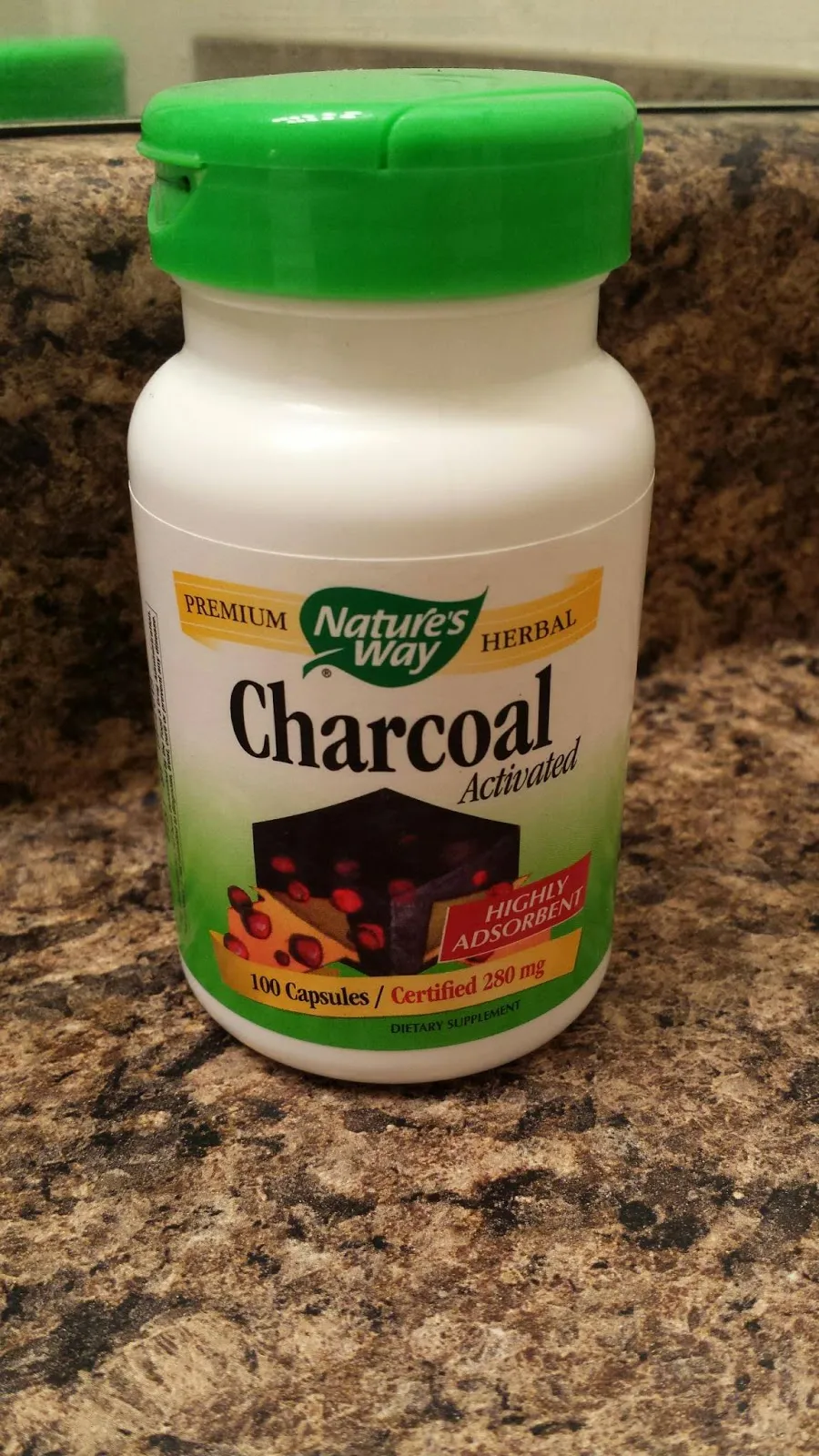
What Is Activated Charcoal?
Activated charcoal is a fine, black powder made from various carbon-based materials such as coconut shells, wood, or peat. It’s been treated with high heat and sometimes with chemicals to make it highly porous. This porosity is key; it gives activated charcoal a massive surface area, allowing it to absorb substances it comes into contact with. Unlike the charcoal briquettes used for grilling, activated charcoal is specifically processed for medicinal and cosmetic purposes. It is a powerful adsorbent, meaning it attracts and holds onto other substances.
How Activated Charcoal Works for Teeth Whitening
The mechanism behind activated charcoal’s teeth-whitening action is primarily based on its abrasive properties and its ability to adsorb stains. When used on teeth, activated charcoal helps remove surface stains from food and beverages, such as coffee, tea, and wine. The charcoal particles bind to these stains, lifting them from the enamel. This process can give the appearance of whiter teeth. It is important to understand, however, that activated charcoal does not change the intrinsic color of your teeth, which is determined by genetics and the thickness of your enamel. It primarily works to remove external stains.
The Benefits of Using Activated Charcoal for Teeth Whitening

Proponents of activated charcoal for teeth whitening often cite several benefits. Primarily, it’s a natural alternative to chemical teeth-whitening products. Many people prefer this option because it avoids harsh chemicals that might cause sensitivity. Additionally, it’s often considered a cost-effective solution. A small amount of activated charcoal powder can last a long time. Some users also report that it helps freshen breath by absorbing odor-causing compounds. Moreover, the abrasive action, when used correctly, can help to remove plaque and bacteria, contributing to overall oral hygiene. However, these benefits come with important considerations.
How to Use Activated Charcoal to Whiten Your Teeth
Using activated charcoal for teeth whitening is relatively simple, but it requires care. Begin by lightly wetting your toothbrush. Dip the bristles into the activated charcoal powder. Gently brush your teeth in small, circular motions for about two minutes. Focus on all surfaces of your teeth. After brushing, rinse your mouth thoroughly with water until all the black residue is gone. Be patient, as it may take a few rinses. It’s also advisable to use a separate toothbrush specifically for this purpose, as the charcoal can stain the bristles. Follow up with your regular toothpaste to remove any remaining charcoal and ensure your teeth are clean.
Choosing the Right Activated Charcoal Product
When selecting an activated charcoal product for teeth whitening, consider a few key factors. Look for products specifically designed for oral use. Ensure the charcoal is derived from a safe source, such as coconut shells. Avoid products with added chemicals, artificial flavors, or sweeteners. You can find activated charcoal in powder form, toothpaste, or pre-made tablets. Powder allows for the most control over the application, while toothpaste offers convenience. Regardless of the form, check the product’s ingredient list and read reviews from other users. Consider the particle size; finer particles are generally less abrasive. Choose a product that suits your needs and preferences while prioritizing safety and efficacy.
Step-by-Step Guide to Using Activated Charcoal

- Prepare your toothbrush Wet the bristles of your toothbrush with water.
- Apply charcoal Dip the wet toothbrush into activated charcoal powder, ensuring a thin coating.
- Brush your teeth Gently brush your teeth in small, circular motions for two minutes.
- Rinse your mouth Rinse your mouth thoroughly with water until all black residue is gone. This may take several attempts.
- Brush again Follow up with your regular toothpaste to remove any remaining charcoal and clean your teeth.
- Repeat Use this process a few times a week, not daily, to avoid over-abrasion.
Tips for Effective Activated Charcoal Teeth Whitening
To maximize the effectiveness of activated charcoal teeth whitening and minimize potential risks, follow these tips. Use it sparingly, typically a few times a week, to avoid excessive abrasion. Be gentle when brushing, applying light pressure to prevent enamel wear. Ensure you rinse thoroughly to remove all traces of charcoal, which can be messy. Combine it with a good oral hygiene routine, including regular brushing with fluoride toothpaste and flossing. Consider consulting your dentist before starting if you have sensitive teeth, receding gums, or dental work. This will help you to understand if this method is suitable for your specific situation.
Potential Risks and Side Effects of Activated Charcoal
While activated charcoal can be beneficial, it also carries potential risks. The primary concern is abrasion. Overuse or aggressive brushing can wear down tooth enamel, making teeth more susceptible to cavities and sensitivity. Some people experience temporary sensitivity after using activated charcoal. Additionally, it may stain dental work, such as fillings and crowns, which can be porous. If you have existing dental issues, it is best to consult your dentist before using this product. It’s also essential to consider the lack of scientific evidence supporting its effectiveness. Therefore, use it cautiously and monitor your teeth for any adverse effects.
Who Should Avoid Activated Charcoal for Teeth Whitening?

Some individuals should avoid or use activated charcoal with extreme caution. People with sensitive teeth or receding gums are at higher risk of abrasion and should consult their dentist. Those with dental work, such as fillings, crowns, or veneers, should be aware that activated charcoal can stain these materials. Children should generally avoid using activated charcoal unless advised by a dentist, due to the risk of enamel damage. If you experience any signs of enamel erosion, such as increased sensitivity or changes in tooth shape, discontinue use immediately and consult your dentist. Pregnant or breastfeeding women should also consult their doctor before using it.
Alternatives to Activated Charcoal for Teeth Whitening
If activated charcoal isn’t suitable for you, several alternatives can help whiten your teeth. Over-the-counter whitening products, such as whitening strips and gels, are readily available. These products typically contain hydrogen peroxide or carbamide peroxide, which effectively remove stains. Professional teeth whitening performed by a dentist is another option, offering stronger whitening agents and supervised application. Another approach is using whitening toothpaste, which usually contains mild abrasives and sometimes peroxide. Maintaining good oral hygiene, including regular brushing, flossing, and dental check-ups, is crucial for preventing stains and maintaining a bright smile. Consult your dentist to determine the best teeth-whitening method for your needs.