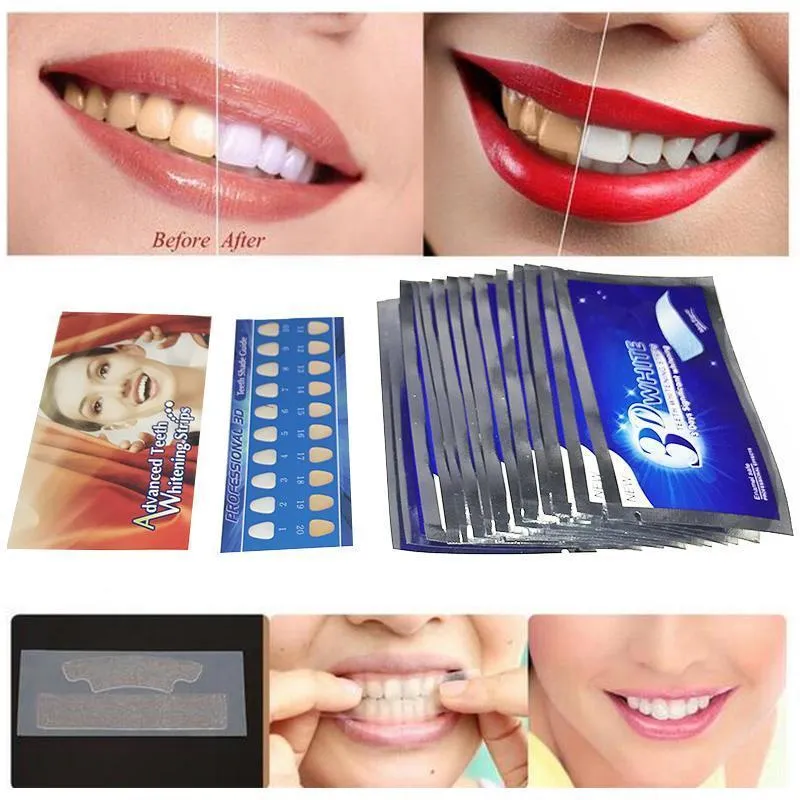
What are Teeth Whitening 3D Strips?
Teeth whitening 3D strips are a popular and convenient method for enhancing the brightness of your smile. They are thin, flexible strips coated with a whitening agent, typically containing hydrogen peroxide or carbamide peroxide. Designed to conform to the shape of your teeth, these strips adhere directly to the enamel, delivering the active ingredients for effective stain removal. The ‘3D’ aspect often refers to the strip’s design, which is intended to better mold to the teeth and provide more comprehensive coverage, ensuring a more uniform whitening effect. These strips offer a user-friendly approach, making them a readily accessible option for those seeking a brighter smile without the need for professional treatments or complicated procedures. They are readily available over the counter.
How Do Teeth Whitening 3D Strips Work?
The effectiveness of teeth whitening 3D strips lies in their active ingredient, usually hydrogen peroxide or carbamide peroxide. When the strip is applied to the teeth, these chemicals penetrate the enamel and break down the stain molecules that cause discoloration. Hydrogen peroxide is a stronger oxidizing agent, providing quicker results, while carbamide peroxide converts into hydrogen peroxide, offering a more prolonged whitening effect. The strip design ensures the whitening agent remains in contact with the teeth’s surface for a specified duration, allowing it to effectively target stains from coffee, tea, tobacco, and other sources. The process involves a chemical reaction where the peroxide releases oxygen molecules, which then lift and remove stains, revealing a brighter and whiter smile over time. The efficacy can vary depending on the concentration of the active ingredient and the duration of use as per the manufacturer’s instructions.
The Science Behind 3D Strip Technology

The science behind 3D strip technology is centered on optimizing the contact between the whitening agent and the tooth surface. The ‘3D’ aspect of the strips refers to their design, which is engineered to better mold to the unique contours of each tooth. This close fit ensures more even and complete coverage, maximizing the surface area exposed to the whitening agent. The flexible material of the strips, often made from polyethylene or similar polymers, allows them to conform snugly to the teeth, maintaining intimate contact and preventing saliva from diluting the whitening agent. Furthermore, the design of the strips incorporates adhesive properties that keep them securely in place during the application period. This consistent contact time ensures that the peroxide molecules can effectively penetrate the enamel and break down stain compounds. The technology balances efficacy with safety, as the strip’s design also helps to minimize contact with gum tissue, reducing the risk of irritation.
Benefits of Using Teeth Whitening 3D Strips
Teeth whitening 3D strips offer several benefits that contribute to their widespread popularity. They provide a convenient and user-friendly approach to teeth whitening that can be easily incorporated into daily routines. The strips offer a cost-effective alternative to professional treatments, making teeth whitening more accessible to a wider audience. They often yield noticeable results within a few days or weeks, providing a quick path to a brighter smile. The ease of use is another significant advantage; simply apply the strips and go about your day while the whitening process occurs. This makes them ideal for people with busy schedules who seek a convenient teeth whitening solution. Furthermore, the portability of these strips allows for whitening treatments at home or on the go, without the need for any dental equipment or professional assistance, thus adding to the ease of use.
Faster Whitening at Home
One of the most attractive benefits of using 3D teeth whitening strips is the ability to achieve noticeable results quickly, right in the comfort of your own home. Unlike some slower methods, many 3D strip products are formulated to deliver visible whitening within a matter of days, making them a great choice for those looking for rapid improvement. The active ingredients, such as hydrogen peroxide, work efficiently to break down surface stains and lift deeper discoloration. The precise application, with the strips adhering directly to the teeth, maximizes the whitening agent’s effectiveness, ensuring that the teeth receive the treatment they need directly. This swift action enables individuals to see a transformation in their smile without the time commitment or the need for frequent dental appointments. The faster action allows people to achieve a brighter smile just before an event.
Improved Teeth Appearance

Using 3D teeth whitening strips can significantly enhance the appearance of your teeth, leading to a more confident and attractive smile. These strips effectively target and remove stains caused by common culprits like coffee, tea, red wine, and tobacco. By lifting these stains, the natural brightness of your teeth is revealed, resulting in a visibly whiter and more radiant appearance. This improvement in aesthetics can have a profound impact on your self-esteem and social interactions. A brighter smile often correlates with better oral hygiene, leading to an overall healthier look. The transformation can be dramatic, giving you a fresher, more youthful appearance, and making you feel more comfortable in social situations. This cosmetic enhancement underscores the practical benefits of 3D strips, providing a noticeable improvement in the overall appearance of teeth with relative ease and convenience.
Convenience and Ease of Use
The convenience and ease of use are major advantages of teeth whitening 3D strips, making them a popular choice for those seeking a hassle-free whitening experience. The application process is straightforward, typically involving peeling the strip from its backing and applying it directly to the teeth. The strips are designed to be used at home without any professional assistance or complex equipment, fitting easily into daily routines. Their portability allows users to whiten their teeth anytime and anywhere, whether at home, at work, or while traveling. Compared to professional whitening treatments, 3D strips offer a less time-consuming and more accessible solution, eliminating the need for dental appointments. The simplified application process and portability make these strips ideal for busy individuals who value effectiveness and convenience, providing a practical and efficient way to maintain a brighter smile with minimal effort.
Choosing the Right Teeth Whitening 3D Strips
Selecting the right teeth whitening 3D strips is essential for achieving the best results while minimizing potential risks. When choosing, consider the concentration of the active ingredient, usually hydrogen peroxide or carbamide peroxide; higher concentrations may yield faster results but could also increase sensitivity. Look for strips that offer a secure and comfortable fit, as this ensures complete coverage and effective whitening. Check for brands that have been clinically tested and approved by dental professionals, which indicates a commitment to safety and efficacy. Reading reviews and comparing different brands can provide valuable insights into the experiences of other users, helping you make a well-informed decision. Pay attention to the duration of treatment and the number of strips in the package to ensure they meet your whitening goals. Choosing the right strips involves a careful evaluation of ingredients, effectiveness, comfort, and user reviews.
Different Types of 3D Strips Available

There are various types of teeth whitening 3D strips available, each with its own characteristics and benefits. Some strips offer different concentrations of the active whitening agent, allowing users to choose a product based on their individual needs and desired results. Others are designed with special features, such as advanced seal technology for improved adhesion or flexible designs that better conform to the teeth’s shape. Some brands offer strips that are specifically formulated for sensitive teeth, containing lower concentrations of the active ingredient to reduce potential discomfort. There are also strips with extended wear times for those seeking a more concentrated treatment, as well as those that integrate additional features such as blue light technology to boost whitening effectiveness. Evaluating the different types available allows you to select strips best suited to your oral health needs and whitening objectives.
Factors to Consider When Choosing Strips
When choosing teeth whitening 3D strips, several factors should influence your decision to ensure both effectiveness and safety. Consider the sensitivity of your teeth; if you experience sensitivity, opt for strips with a lower concentration of the active ingredient, or those specifically designed for sensitive teeth. Research the brand’s reputation, looking for products that have been tested and recommended by dental professionals, which can provide assurance of quality. Evaluate the duration of the treatment, as different strips offer varying application times, influencing how easily it fits into your routine. Read user reviews to gauge other people’s experiences, focusing on factors such as effectiveness, comfort, and potential side effects. Also, be sure to examine the ingredients to ensure you are not allergic to any components. Considering these factors will help you select strips that meet your personal needs.
How to Use Teeth Whitening 3D Strips Effectively
Using teeth whitening 3D strips effectively requires careful adherence to the product’s instructions to maximize results and minimize potential side effects. Begin by thoroughly brushing and flossing your teeth to remove any food particles and surface debris, but make sure to dry your teeth before applying the strips, as this helps them adhere better. Peel the strip from its backing and carefully align it with your gum line, pressing gently to ensure full contact with your teeth. Avoid touching your gums as much as possible to reduce irritation. Leave the strips on for the recommended time, which can vary by product, typically ranging from 30 minutes to an hour. After removing the strips, rinse your mouth with water to remove any remaining gel, and avoid eating or drinking for at least 30 minutes to prevent staining. Consistent use as directed is key to achieving the desired whitening effect.
Step-by-Step Application Guide

Here’s a step-by-step guide to effectively applying teeth whitening 3D strips. Start with clean teeth; brush and floss to remove any surface debris. Dry your teeth with a tissue to improve the strip’s adhesion. Peel the strip from its backing, being careful not to touch the adhesive side excessively. Apply the strip to your upper teeth, aligning it with your gum line, and gently press it down to ensure it adheres completely. Repeat this process for the lower teeth. Fold any excess strip material behind the teeth for better coverage. Leave the strips on for the time specified in the product instructions, typically between 30 minutes and an hour. After the specified time, remove the strips and dispose of them properly. Rinse your mouth with water to remove any remaining gel and brush your teeth gently. Consistency with these steps is essential for optimal results.
Tips for Maximizing Whitening Results
To maximize the whitening results of your 3D strips, consider several tips. First, be consistent with your application, following the product instructions meticulously and completing the entire course of treatment as prescribed. Avoid consuming foods and drinks that can stain teeth, such as coffee, tea, red wine, and berries, during the treatment period. Maintaining good oral hygiene is also crucial; brush and floss your teeth regularly to remove surface stains and plaque. Try to avoid smoking, as tobacco can significantly discolor teeth and counteract the whitening effects. Consider using a whitening toothpaste or mouthwash in conjunction with the strips for additional enhancement. Store the strips properly, away from heat and humidity, to preserve their efficacy. By following these steps, you can significantly enhance the effectiveness of your 3D strip treatments and achieve a brighter, more dazzling smile.
Potential Side Effects and How to Manage Them
While teeth whitening 3D strips are generally safe, some potential side effects can occur. The most common side effects include tooth sensitivity and gum irritation, which typically resolve after the treatment. Sensitivity can manifest as a temporary discomfort when consuming hot or cold foods or beverages. Gum irritation may appear as redness or mild inflammation along the gum line. To manage these side effects, use a toothpaste designed for sensitive teeth, and avoid applying the strips directly to irritated gums. If sensitivity persists or worsens, reduce the frequency of use or discontinue the treatment. Always follow product instructions, and consult a dentist if you experience any persistent or severe side effects. Understanding and managing potential side effects will ensure a comfortable and effective teeth whitening experience.
Sensitivity and Discomfort

Tooth sensitivity and discomfort are common side effects of teeth whitening 3D strips. The whitening agents, such as hydrogen peroxide, can penetrate the enamel and reach the dentin, which contains nerve endings, leading to temporary sensitivity. This can manifest as a sharp, shooting pain or a general discomfort when consuming hot or cold foods or drinks. To manage this, use a toothpaste specially formulated for sensitive teeth, containing ingredients like potassium nitrate, that helps to desensitize the nerves. Avoid applying the strips immediately after brushing to minimize irritation. If sensitivity is a concern, reduce the duration or frequency of the treatments. In severe cases, discontinue use and consult a dentist, who may recommend fluoride treatments or other desensitizing solutions to alleviate the discomfort.
Gum Irritation
Gum irritation is another potential side effect when using teeth whitening 3D strips. This is usually a result of the whitening agent coming into contact with the soft tissues of the gums. This can cause redness, swelling, or mild inflammation along the gum line. To prevent and manage gum irritation, make sure to apply the strips carefully, avoiding direct contact with the gums, and ensuring proper alignment along the teeth. If irritation occurs, reduce the treatment time or the frequency of applications. Rinse your mouth with water after removing the strips to remove any remaining gel. Use a soft-bristled toothbrush and avoid overly aggressive brushing around the irritated areas. If the irritation persists or worsens, it’s important to discontinue use and seek advice from your dentist, who may recommend specific treatments to soothe the gums.
Comparing Teeth Whitening 3D Strips with Other Methods
Teeth whitening 3D strips offer a unique approach to teeth whitening compared to other methods, each with their own advantages and disadvantages. Whitening toothpastes typically contain mild abrasives and whitening agents that remove surface stains, but their effects are often less dramatic and slower than those of strips. Professional whitening treatments, performed by a dentist, use stronger concentrations of peroxide and may also include the use of light or laser activation, resulting in more significant and quicker results. However, these treatments are generally more expensive and require professional visits. At-home whitening kits, which often involve custom-fitted trays and bleaching gel, offer a middle ground, providing more effective results than toothpastes while being more convenient than in-office treatments. Choosing the right method depends on your specific needs, budget, and desired level of whitening, with 3D strips offering a balance of convenience and effectiveness for many.
3D Strips vs. Whitening Toothpastes

When comparing 3D teeth whitening strips with whitening toothpastes, several differences emerge. Whitening toothpastes typically contain mild abrasives and chemical agents, such as hydrogen peroxide or similar compounds, that help to remove surface stains. However, their whitening effects are generally less pronounced and slower than those of 3D strips. 3D strips, with their higher concentrations of active ingredients and direct application to the teeth, offer faster and more noticeable results. Whitening toothpastes are suitable for maintaining the brightness of your teeth and removing daily stains, while 3D strips are a more effective option for significant stain removal and noticeable whitening. Toothpastes are easy to integrate into your regular oral hygiene routine and are relatively inexpensive, while 3D strips may require a dedicated treatment period. Both approaches contribute to a brighter smile, but the degree of whitening and the time needed to achieve it differ significantly.
3D Strips vs. Professional Whitening
3D teeth whitening strips and professional whitening treatments are two different approaches to achieving a brighter smile, each with distinct advantages and disadvantages. Professional whitening, performed by a dentist, involves the use of higher concentrations of whitening agents, often activated by specialized lights or lasers, resulting in significantly faster and more dramatic results. These treatments also offer the benefit of professional supervision, reducing the risk of potential side effects. However, professional whitening is typically more expensive and requires multiple visits to the dental office. 3D strips provide a convenient and more affordable option, allowing individuals to whiten their teeth at home. They are easy to use and readily accessible, although the whitening effect may not be as immediate or as intense as professional treatments. The choice between the two depends on factors such as budget, time commitment, and the desired level of whitening.
Maintaining Your White Smile After Using 3D Strips
Maintaining your white smile after using 3D teeth whitening strips involves a combination of good oral hygiene practices and lifestyle choices. Brushing your teeth twice a day with a whitening toothpaste helps remove surface stains and maintain the brightness of your teeth. Flossing daily removes plaque and debris from between your teeth, where staining can occur. Regular dental check-ups and cleanings are essential for removing plaque and tartar, which can affect the appearance of your smile. Avoiding or limiting consumption of staining foods and beverages, such as coffee, tea, red wine, and berries, can help prevent new stains from forming. If you do consume these items, rinsing your mouth with water immediately afterward can help to minimize their impact. Maintaining a healthy lifestyle and being mindful of your diet will contribute to your long-term oral health and help keep your smile radiant.
Long-Term Oral Hygiene Practices

Long-term oral hygiene practices are critical for maintaining the results achieved with teeth whitening 3D strips. Consistent and effective brushing and flossing are fundamental. Brush your teeth twice a day for at least two minutes each time, using a fluoride toothpaste. Floss daily to remove food particles and plaque from between your teeth, where brushing can’t reach. Regular dental check-ups and professional cleanings are also essential, allowing your dentist to remove plaque and tartar that can affect your smile’s brightness. Using a whitening toothpaste can help remove surface stains, and consider using an oral irrigator to maintain clean teeth. Avoid or limit the consumption of staining foods and drinks, and if you do consume them, rinse your mouth with water afterward. The combination of these practices will contribute to a lasting bright and healthy smile.
Foods and Drinks to Avoid
To maintain the results achieved with teeth whitening 3D strips, it’s important to be mindful of the foods and drinks you consume. Certain items are known to stain teeth and can diminish the brightness of your smile. Coffee, tea, and red wine are notorious for their staining properties and should be consumed in moderation. Dark-colored sodas and fruit juices, such as grape and cranberry juice, can also contribute to discoloration. Foods like berries, soy sauce, balsamic vinegar, and curries contain pigments that can stain the enamel. If you do consume staining foods or drinks, rinse your mouth with water immediately afterward to minimize their impact. Consider using a straw when drinking dark-colored beverages to reduce contact with your teeth. Being aware of these dietary factors and making informed choices can help prolong the effects of your teeth whitening treatments.
Final Thoughts on Teeth Whitening 3D Strips
Teeth whitening 3D strips offer a convenient, effective, and accessible way to enhance the brightness of your smile. They provide a practical solution for individuals seeking a brighter appearance, offering noticeable results with relatively little effort. By carefully choosing the right strips, following application guidelines, and managing potential side effects, you can achieve a more confident and radiant smile. Remember that while these strips are effective, maintaining your white smile requires a commitment to good oral hygiene practices and a mindful approach to dietary choices. With the right approach, teeth whitening 3D strips can be a valuable addition to your oral care routine, contributing to a healthier, more beautiful smile and boosting your overall self-esteem. Embrace the power of a brighter smile and enjoy the confidence it brings.