Understanding Strawberry Teeth Whitening
The pursuit of a brighter, whiter smile has led many to explore natural remedies, and strawberry teeth whitening has gained significant attention. This method leverages the properties of strawberries to potentially lighten tooth enamel. However, it is crucial to approach this technique with realistic expectations and a clear understanding of the science behind it. While strawberries are a tasty and healthy treat, their effectiveness in teeth whitening is often debated. This guide will provide you with the necessary information to understand how strawberry teeth whitening works, how to do it safely, and what to expect in terms of results.
The Science Behind Strawberry Whitening
The appeal of strawberry teeth whitening stems from the presence of malic acid in strawberries. Malic acid is a natural astringent found in various fruits and vegetables. It is believed to help remove surface stains from teeth. However, the concentration of malic acid in strawberries is relatively low compared to other whitening agents. Understanding this science is essential before embarking on any teeth whitening method.
Acids and Enzymes

Strawberries contain malic acid, which acts as a natural stain remover. The enzymes present in strawberries can also contribute to breaking down stains on the enamel surface. Nevertheless, the effectiveness of these acids and enzymes is limited compared to professional treatments. Continuous use of acidic substances can erode tooth enamel, making teeth more vulnerable. It is therefore important to use this method with caution and moderation.
How Strawberries Interact with Teeth
When strawberries are applied to the teeth, the malic acid interacts with surface stains. This can give the illusion of a brighter smile. However, strawberries do not penetrate the enamel to address deeper stains. The results, if any, are usually subtle and may not last. The interaction is primarily superficial, and the whitening effect is often temporary, requiring repeated applications.
What You’ll Need
To try the strawberry teeth whitening method, you need a few simple ingredients. This minimal requirement makes it an accessible DIY project. However, it is important to have the right tools to minimize any potential risks. The best practice is to use this method in moderation and to consult with a dentist before embarking on any new oral health regimen.
Fresh Strawberries

Choose ripe, fresh strawberries for this process. The riper the strawberry, the higher the malic acid content. Wash them thoroughly to remove any pesticides or dirt. Avoid using strawberries that are overripe or showing signs of mold. Fresh strawberries provide the natural components needed for the whitening process, enhancing the overall effectiveness of the procedure.
Baking Soda
Baking soda acts as a mild abrasive and helps in removing surface stains. It can enhance the whitening effect when combined with strawberries. Use food-grade baking soda. Use it sparingly to avoid damaging the enamel. Baking soda should be used in small amounts to protect the teeth from abrasion.
A Soft Toothbrush
A soft-bristled toothbrush is essential to prevent damage to the enamel. Hard bristles can be abrasive and cause erosion. Choose a toothbrush specifically designed for sensitive teeth. Gently brushing with a soft toothbrush ensures that the strawberries and baking soda can work on the stains without causing any harm to the teeth.
The Step-by-Step Strawberry Whitening Guide

Follow these steps carefully to try strawberry teeth whitening. Always remember that moderation is key and that consistent use can harm your enamel. Also, consult a dentist before starting this process, especially if you have sensitive teeth or existing dental issues. Careful execution and realistic expectations are essential for a safe and effective experience.
Preparing the Strawberry Paste
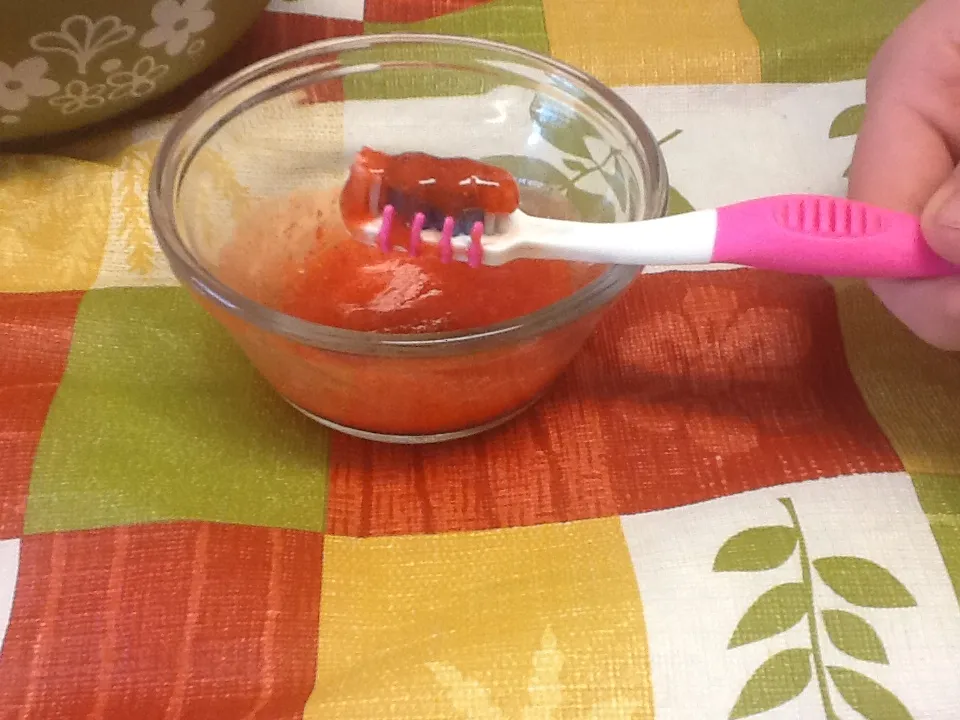
Mash a few fresh strawberries into a pulp. Add a small amount of baking soda. Mix until you get a thick paste. The consistency should be similar to toothpaste. The right paste consistency ensures even application and ease of use. Ensure there are no large strawberry pieces to prevent any potential choking hazard.
Applying the Paste
Apply the paste to your teeth, ensuring even coverage. Avoid getting it on your gums to prevent irritation. A thin layer is sufficient. Even distribution will enhance the effectiveness of the whitening process. Apply gently with your fingers or a soft toothbrush to protect your gums and enamel.
Brushing and Waiting

Gently brush your teeth with the paste for about two minutes, using a soft toothbrush. Then, let the paste sit on your teeth for a few minutes. Do not exceed five minutes to minimize the risk of enamel erosion. Brushing removes surface stains. The waiting period allows the malic acid to act on the stains. The combination of brushing and waiting maximizes the whitening potential.
Rinsing and Finishing
Rinse your mouth thoroughly with water to remove all traces of the paste. Brush your teeth with regular toothpaste to remove any remaining strawberry or baking soda residue. This step is crucial to prevent the acids from lingering on your teeth and causing damage. Rinsing ensures your mouth is clean and your teeth are protected from any potential harmful effects.
Potential Risks and Side Effects
While strawberry teeth whitening is generally considered safe, there are potential risks and side effects you should be aware of. Overuse of this method can cause enamel erosion. This can lead to tooth sensitivity and other dental problems. It is important to proceed with caution and be mindful of any adverse reactions. Consulting a dentist before trying this method is advisable.
Tooth Sensitivity

Tooth sensitivity is a common side effect of using acidic substances on your teeth. The acids in strawberries can weaken the enamel. This can make your teeth more sensitive to hot and cold temperatures. If you experience any sensitivity, discontinue the treatment and consult your dentist. Sensitivity is a sign that the enamel is being affected, and further use could cause more serious problems.
Enamel Erosion
Frequent use of strawberry teeth whitening can lead to enamel erosion. Enamel erosion makes your teeth more vulnerable to decay and discoloration. It can also result in increased sensitivity and a higher risk of cavities. Enamel erosion is irreversible, which is why it is crucial to use this method with caution and in moderation. Monitor your teeth for any signs of erosion and seek professional advice if you notice any changes.
Alternatives and Complementary Methods
If you are looking for alternative or complementary methods for teeth whitening, consider these options. Combining methods can enhance the effectiveness of your efforts. However, it is important to research the different options and consult a dentist to determine which methods are safe and appropriate for your specific needs and dental health. Be sure to weigh the pros and cons of each method carefully.
Coconut Oil Pulling

Coconut oil pulling involves swishing coconut oil in your mouth for a certain period, typically 15-20 minutes. It is believed to help remove bacteria and toxins, contributing to overall oral health and potentially whitening your teeth. While the evidence is anecdotal, some people find it beneficial. Coconut oil pulling can be a gentle, natural way to supplement your oral hygiene routine, but it should not replace brushing and flossing.
Professional Whitening Options
For more effective and lasting results, consider professional teeth whitening options. These methods often involve using higher concentrations of whitening agents under the supervision of a dentist. Professional treatments can provide significant results quickly and safely. Your dentist can also assess your oral health and recommend the most appropriate whitening method for your situation.
Maintaining Your Results
Regardless of the teeth whitening method you choose, maintaining your results requires consistent oral hygiene practices and certain lifestyle adjustments. Proper care will extend the life of your brighter smile and keep your teeth healthy. Be mindful of what you consume and develop a routine to ensure that you protect your teeth from any potential harm.
Dietary Considerations
Certain foods and drinks can stain your teeth, such as coffee, tea, red wine, and dark-colored berries. Limit your consumption of these items or rinse your mouth with water after consuming them. Eating a diet rich in calcium and phosphorus can also strengthen your teeth. A balanced diet that supports overall health will also benefit your oral health. Limiting stain-causing foods will help maintain the results of any whitening treatment.
Oral Hygiene Routine
Maintain a consistent oral hygiene routine by brushing your teeth twice daily with fluoride toothpaste and flossing once a day. Regular dental check-ups and cleanings are also essential. Proper oral hygiene is the foundation of a healthy and bright smile. Consistent brushing and flossing removes plaque and prevents stains. A good oral hygiene routine, combined with professional care, maximizes the longevity of your results.