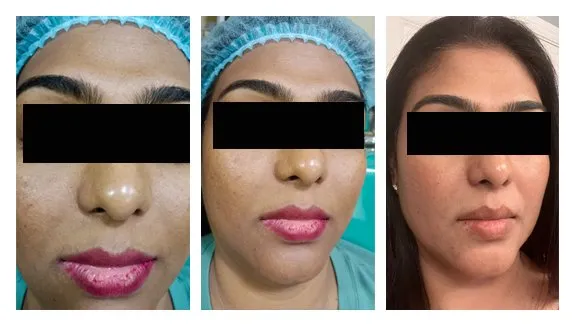
Understanding Skin Whitening Forever Results
The quest for eternally radiant skin often leads individuals to explore skin whitening treatments. However, the concept of achieving ‘forever results’ in skin whitening is a complex one, often misunderstood. It’s crucial to approach this topic with realistic expectations and a comprehensive understanding of what skin whitening entails. While some treatments can offer significant and lasting improvements, true permanence is elusive. The skin is a dynamic organ, constantly regenerating and reacting to internal and external factors. Therefore, maintaining the results of skin whitening requires consistent care and attention. This involves a multi-faceted approach, including the use of specific products, lifestyle adjustments, and diligent sun protection. Understanding this foundational concept is the first step toward a successful and sustainable skin-whitening journey.
What Does Skin Whitening Actually Do
Skin whitening, at its core, involves reducing the concentration of melanin, the pigment responsible for skin color, in the skin. This can be achieved through various methods, including the use of topical creams, chemical peels, laser treatments, and sometimes, oral medications. These treatments work by either inhibiting the production of melanin, accelerating the shedding of melanin-containing cells, or breaking down existing melanin. The specific mechanisms and effectiveness vary widely depending on the method employed and the individual’s skin type and condition. It is important to know that skin whitening aims to lighten the skin tone and address issues such as hyperpigmentation, dark spots, and uneven skin tone. However, it does not fundamentally alter the skin’s structure and function. Therefore, the longevity of the results depends heavily on how well these treatments are maintained and protected.
How Skin Whitening Works

Skin whitening treatments operate through several mechanisms. Some, like hydroquinone, tyrosinase inhibitors, directly interfere with the enzyme tyrosinase, a key player in melanin production. Others, such as retinoids and chemical peels, promote skin cell turnover, helping to shed the top layers of skin where excess melanin may be concentrated. Laser treatments target melanin directly, breaking it down into smaller particles that the body can remove. The effectiveness of each method varies depending on the underlying cause of hyperpigmentation, the depth of the pigmentation, and the skin type. For instance, superficial hyperpigmentation often responds well to topical treatments and peels, while deeper pigmentation may require laser treatments. Understanding how these treatments work is crucial for selecting the most appropriate method and setting realistic expectations.
Ingredients That Can Help You Whitening Skin
A wide range of ingredients are utilized in skin-whitening products, each with its mechanism of action. Hydroquinone is a potent tyrosinase inhibitor that is often prescribed by dermatologists for its effective lightening capabilities. Retinoids, derived from vitamin A, promote cell turnover and can help lighten hyperpigmentation over time. Vitamin C is a powerful antioxidant that can inhibit melanin production and brighten the skin. Kojic acid, derived from certain fungi, also inhibits tyrosinase. Niacinamide, a form of vitamin B3, has anti-inflammatory properties and can reduce the appearance of dark spots. Alpha hydroxy acids (AHAs) and beta hydroxy acids (BHAs) are exfoliating agents that can help shed pigmented skin cells. The selection of these ingredients should be based on skin type, sensitivity, and the specific skin concerns. It is crucial to consult with a dermatologist or skincare professional to determine the most suitable ingredients and concentrations for individual needs.
The Difference Between Skin Brightening and Skin Whitening
It’s essential to distinguish between skin brightening and skin whitening, as these terms are often used interchangeably but have different meanings. Skin brightening focuses on enhancing the skin’s radiance and improving overall skin tone. It aims to diminish dullness and unevenness, resulting in a healthier, more vibrant complexion. Brightening products often include ingredients like vitamin C, niacinamide, and AHAs/BHAs, which exfoliate, hydrate, and provide antioxidant benefits. Skin whitening, on the other hand, specifically targets the reduction of melanin to lighten the skin tone. While brightening products can contribute to a lighter appearance by improving overall skin health, they do not actively inhibit melanin production to the same extent as whitening products. Understanding this difference allows individuals to choose products that align with their specific skincare goals, whether they want to enhance their natural radiance or actively lighten their skin.
Why Skin Whitening Is Popular

Skin whitening enjoys widespread popularity across the globe, often driven by cultural beauty standards and the desire for a more even skin tone. In many societies, lighter skin is associated with youth, beauty, and social status, influencing the demand for skin-whitening products and treatments. Furthermore, skin whitening can address concerns such as hyperpigmentation, dark spots, and uneven skin tone, which can result from sun damage, acne, and other skin conditions. The availability of various skin-whitening options, from over-the-counter creams to professional procedures, makes it accessible to a wider audience. However, it is essential to approach skin whitening with awareness of the potential risks and to prioritize skin health. Consulting with a dermatologist and using products responsibly are crucial to mitigate adverse effects and achieve desired results safely.
The Importance of Sun Protection for Skin Whitening
Sun protection is critical for anyone undergoing skin whitening treatments. Exposure to ultraviolet (UV) radiation from the sun stimulates melanin production, potentially reversing the effects of skin-whitening treatments and worsening hyperpigmentation. Applying a broad-spectrum sunscreen with an SPF of 30 or higher daily is essential. Reapplication every two hours, especially during outdoor activities, is crucial to maintain protection. In addition to sunscreen, protective measures like wearing hats, sunglasses, and seeking shade can further shield the skin from sun damage. Consistent sun protection not only helps to preserve the results of skin-whitening treatments but also protects against premature aging, skin cancer, and other sun-related skin concerns. It is an integral part of any successful and sustainable skin-whitening strategy.
How to Maintain Skin Whitening Forever
Achieving long-lasting results from skin whitening requires a proactive and consistent approach. Sun protection is paramount, incorporating daily sunscreen use and protective measures. Continuing the use of skin-whitening products can help maintain results, but it’s crucial to use them as directed and monitor for any adverse reactions. Regular skin check-ups with a dermatologist are essential to monitor progress and address any potential issues. A healthy lifestyle, including a balanced diet, regular exercise, and adequate hydration, supports overall skin health and contributes to maintaining a brighter complexion. Avoiding smoking and excessive alcohol consumption is also advisable. Patience and consistency are key. The journey towards achieving and maintaining skin whitening results demands dedication to a comprehensive skincare regimen and a healthy lifestyle.
Effective Skin Whitening Forever Tips

To make your skin whitening last longer, focus on these effective tips. Always prioritize sun protection. Build a consistent skincare routine with products containing ingredients like vitamin C, retinoids, and niacinamide to maintain results. Stay hydrated and eat a diet rich in antioxidants to support overall skin health. Avoid harsh skincare practices and excessive exfoliation, which can irritate the skin. Be patient and consistent with your routine, as results take time and dedication. Regularly consult with a dermatologist to monitor your skin’s progress and address any concerns. Finally, manage your expectations and focus on a skincare approach that supports long-term skin health and radiance.
Products that Help Skin Whitening
Several products can assist in achieving and maintaining skin-whitening effects. Topical creams containing hydroquinone, retinoids, vitamin C, and kojic acid are widely used. Chemical peels performed by a dermatologist or trained professional can help accelerate skin cell turnover and reduce pigmentation. Laser treatments offer a more targeted approach for reducing melanin production. Sunscreens with high SPF and broad-spectrum protection are essential for shielding the skin from further damage. Look for gentle cleansers and moisturizers to maintain skin health. Always consult a dermatologist before starting any new product or treatment. Selecting the correct products and treatments is critical to achieve the desired results while protecting your skin.
Lifestyle Choices and Skin Whitening Results
Lifestyle choices significantly impact the effectiveness and longevity of skin whitening results. A balanced diet rich in antioxidants, vitamins, and minerals supports skin health and reduces inflammation. Regular exercise improves blood circulation, which promotes healthy skin cell turnover. Adequate hydration keeps the skin moisturized and enhances its natural radiance. Getting enough sleep allows the skin to repair and regenerate. Avoiding smoking and excessive alcohol consumption can prevent premature aging and maintain skin clarity. Managing stress through practices like meditation or yoga can also benefit skin health. Adopting a holistic approach that encompasses these lifestyle choices can enhance the results of skin-whitening treatments and contribute to achieving a brighter, more youthful complexion.