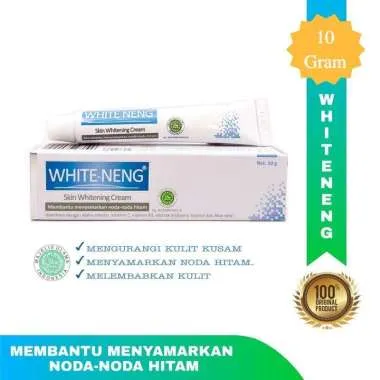
What is Skin Whitening Cream
Skin whitening creams, also known as skin bleaching creams or skin lightening creams, are cosmetic products designed to lighten the skin by reducing the concentration of melanin. Melanin is the pigment responsible for the color of your skin, hair, and eyes. These creams aim to diminish dark spots, freckles, age spots, and uneven skin tone, ultimately creating a brighter, more uniform complexion. The market for skin whitening products is vast and diverse, offering a wide range of creams, lotions, and serums, each with varying ingredients and concentrations. It is essential to understand how these products work, their ingredients, and how to use them safely to achieve the desired results without adverse effects.
How Does Skin Whitening Cream Work
Skin whitening creams work by inhibiting the production of melanin or by accelerating the shedding of the skin cells that contain melanin. The primary mechanism involves targeting tyrosinase, an enzyme crucial in melanin synthesis. By inhibiting tyrosinase, the production of melanin is reduced, leading to a lighter skin tone over time. Some creams may also contain exfoliating agents that remove the top layer of skin cells, revealing a brighter complexion. The effectiveness of skin whitening creams depends on the concentration of active ingredients, the frequency of use, and the individual’s skin type. It’s important to remember that results vary, and consistency is key. Additionally, protecting your skin from sun exposure is critical, as UV rays can stimulate melanin production and counteract the effects of the cream.
Key Ingredients in Skin Whitening Creams

The efficacy of skin whitening creams relies heavily on their active ingredients. These ingredients work synergistically to reduce melanin production and brighten the skin. Understanding the role of each component is crucial for making an informed choice and ensuring safe usage. Many products combine multiple ingredients to achieve the best results, but it’s always wise to check the label and understand the potential benefits and risks of each ingredient before incorporating it into your skincare routine.
Hydroquinone
Hydroquinone is a potent skin-lightening agent that inhibits tyrosinase, the enzyme responsible for melanin production. It is often prescribed by dermatologists for treating conditions like melasma and post-inflammatory hyperpigmentation. While highly effective, hydroquinone can cause side effects such as skin irritation, redness, and, in rare cases, ochronosis (a permanent darkening of the skin). Due to its potential for side effects, hydroquinone is typically only used under medical supervision, and its use is often limited to a specific timeframe. The concentration of hydroquinone in over-the-counter products is usually lower compared to prescription-strength formulations.
Retinoids
Retinoids, derived from Vitamin A, accelerate cell turnover, promoting the shedding of pigmented skin cells and revealing brighter skin. They also aid in boosting collagen production, which contributes to a more even skin tone. Retinoids can be very effective, but they can also cause initial side effects like dryness, redness, and peeling. Starting with a lower concentration and gradually increasing it, alongside moisturizing and sun protection, can help to minimize irritation. Consistency in use over time is key to achieving visible results.
Vitamin C

Vitamin C, a powerful antioxidant, brightens the skin by inhibiting melanin production and protecting against free radical damage caused by UV exposure. It also helps in collagen synthesis, contributing to firmer and healthier skin. Vitamin C is generally well-tolerated, and it can be found in various forms, such as L-ascorbic acid, which is the most potent form. The efficacy of Vitamin C products often depends on their formulation and the concentration of the active ingredient. Incorporating Vitamin C into your daily skincare routine can provide both brightening and anti-aging benefits.
Kojic Acid
Kojic acid is a natural compound derived from fungi. It works by inhibiting tyrosinase, the enzyme necessary for melanin production. Kojic acid is a popular ingredient in skin whitening products, helping to reduce dark spots and uneven skin tone. It is generally considered safer than hydroquinone, with fewer side effects. However, some users may experience mild irritation. It’s important to perform a patch test before using kojic acid products to ensure you do not have any allergic reactions. Combining kojic acid with other skin-brightening ingredients, like Vitamin C, can enhance its effectiveness.
Arbutin
Arbutin, a natural derivative of hydroquinone, works by inhibiting tyrosinase, thereby preventing melanin formation. It is often preferred over hydroquinone due to its gentler nature and reduced risk of side effects. Arbutin is known for its ability to lighten dark spots and uneven skin tone. It comes in two main forms: alpha-arbutin, which is more potent, and beta-arbutin. Arbutin products are generally suitable for all skin types, including sensitive skin, but as with any new product, it’s crucial to perform a patch test before widespread application. Consistency in use is key to seeing visible results.
Choosing the Right Skin Whitening Cream for Your Skin Type

Choosing the right skin whitening cream is crucial to ensure the product is effective and safe for your skin type. Different skin types have different needs and sensitivities. Selecting a product specifically formulated for your skin type can minimize the risk of irritation and maximize the desired effects. Always consider your skin’s sensitivity, oiliness, and any existing conditions before making a purchase. Consulting a dermatologist can help you determine your skin type and guide you towards the most suitable products.
For Dry Skin
If you have dry skin, look for skin whitening creams that are hydrating and moisturizing. Creams with ingredients like hyaluronic acid, ceramides, and glycerin help to retain moisture in the skin and prevent dryness. Avoid products containing high concentrations of alcohol or harsh exfoliants, as these can further dry out your skin. Opt for creams with a thicker consistency and apply them generously to keep your skin well-hydrated. Regular use of a moisturizer is crucial when using skin whitening creams, as many ingredients can have a drying effect.
For Oily Skin
If you have oily skin, choose lightweight, oil-free, and non-comedogenic skin whitening creams. Look for formulations that contain ingredients like salicylic acid or tea tree oil, which can help control oil production and prevent breakouts. Avoid heavy creams that can clog pores. Gel or lotion-based products are often better suited for oily skin. Ensure that you cleanse your face thoroughly before applying any cream, and consider using a mattifying primer to control shine throughout the day. Using a toner that helps balance the skin’s pH can also be beneficial.
For Sensitive Skin

If you have sensitive skin, prioritize products that are fragrance-free, hypoallergenic, and formulated for sensitive skin. Avoid creams with harsh chemicals, such as strong acids or high concentrations of active ingredients. Perform a patch test on a small area of your skin before applying the cream to your entire face. Look for soothing ingredients like aloe vera, chamomile, or calendula. Start with a low concentration of active ingredients and gradually increase it as tolerated. Always be mindful of any signs of irritation and discontinue use if any adverse reactions occur.
Things to Consider Before Buying Skin Whitening Cream
Before purchasing a skin whitening cream, it is important to carefully evaluate several factors to ensure you make an informed decision. Consider the ingredients, potential side effects, and how they align with your skin type and concerns. Educating yourself on these considerations is essential for achieving the desired results safely and effectively. It is highly recommended to consult with a dermatologist to assess your skin and determine the most appropriate product for your needs. They can also guide you regarding the proper usage and potential risks involved.
Effectiveness
Consider the effectiveness of the skin whitening cream. Look for products with proven ingredients like hydroquinone, retinoids, vitamin C, kojic acid, or arbutin. Research the concentration of these active ingredients, as higher concentrations may lead to better results, but also increase the risk of side effects. Read reviews and testimonials from users with similar skin concerns to gauge the product’s effectiveness. Keep in mind that the timeline to see results varies from person to person, and it often takes several weeks or months of consistent use to notice visible changes. Be realistic about your expectations and understand that results can vary.
Side Effects

Be aware of potential side effects. Common side effects include skin irritation, redness, dryness, and peeling. Some ingredients, like hydroquinone, can cause more serious side effects if used improperly. Always perform a patch test before using a new product and monitor your skin for any adverse reactions. Discontinue use if you experience persistent irritation or other concerning symptoms. Consult a dermatologist if you have any concerns about side effects or if they persist. Proper sun protection is crucial when using skin whitening creams, as your skin may be more sensitive to the sun.
Price
Consider the price of the cream and your budget. Skin whitening creams range in price, depending on the ingredients, brand, and formulation. More expensive products do not necessarily mean they are better; sometimes, price reflects the brand’s marketing efforts. Compare prices and read reviews to determine if the cost aligns with the perceived value and effectiveness of the product. Remember that you may need to use the cream consistently for several months to see results, so factor the long-term cost into your decision. Look for sales, discounts, or promotions to make the product more affordable.
Reviews
Read reviews from other users to get an idea of the product’s performance and user experiences. Look for reviews on reputable websites or forums, and pay attention to both positive and negative feedback. Consider reviews from people with similar skin concerns and skin types to get a more relevant assessment. Be aware that individual results can vary, so consider a range of reviews rather than relying on a few. Look for consistent themes in the reviews, such as whether users experienced improvements in skin tone, irritation, or other effects. Reviews can provide valuable insights into a product’s effectiveness and potential drawbacks.
How to Use Skin Whitening Cream Effectively

To effectively use skin whitening cream, follow a consistent and proper application routine. Applying the cream correctly, combined with other essential skincare steps, will maximize its effectiveness and minimize potential side effects. Understanding the proper way to incorporate the cream into your daily regimen can significantly enhance your chances of achieving your desired skin lightening results safely. Consulting a dermatologist is always recommended to tailor your routine based on your specific skin type and concerns.
Application
Apply the skin whitening cream to clean, dry skin. Gently massage a small amount of the cream onto the affected areas, such as dark spots or uneven skin tone. Avoid applying the cream to the entire face unless it is specifically designed for all-over use. Follow the product’s instructions carefully. Be careful not to get the cream in your eyes, mouth, or any open wounds. If you are applying the cream during the day, allow it to fully absorb into the skin before applying makeup or sunscreen. Ensure your hands are clean before and after application.
Frequency
Follow the recommended frequency of application as stated on the product label. Most skin whitening creams are applied once or twice a day, typically in the morning and evening. Do not exceed the recommended frequency, as this may increase the risk of side effects. Consistency is key to achieving noticeable results, so apply the cream regularly as directed. If you experience any irritation or sensitivity, reduce the frequency of use or consult a dermatologist. Gradually increasing frequency may be necessary based on skin tolerance and product instructions.
Sun Protection
Always use sunscreen with a broad-spectrum SPF of 30 or higher, especially when using skin whitening creams. Many of the active ingredients in these creams make your skin more sensitive to the sun’s harmful UV rays. Sun exposure can counteract the effects of the cream and worsen hyperpigmentation. Apply sunscreen generously and reapply every two hours, especially if you are spending time outdoors. Wear protective clothing, such as hats and sunglasses, to further protect your skin from the sun. Sun protection is a crucial component of any skincare routine, particularly when using skin whitening products, to ensure your skin remains healthy and achieves the desired results.
Where to Buy Skin Whitening Cream
Skin whitening creams are available in various retail settings, each offering different choices and considerations. Choosing where to purchase your cream can impact both the product selection and the customer service you receive. Knowing the available options will allow you to make informed choices and buy from trustworthy sources. Always prioritize your safety and ensure you are buying products from reputable vendors to protect your skin’s health.
Skin whitening creams are sold in pharmacies, department stores, and online retailers. Pharmacies often carry a range of over-the-counter products and sometimes offer prescription-strength creams under the guidance of a pharmacist. Department stores may provide a wider selection of high-end products. Online retailers offer a broad array of choices, often at competitive prices. Always check the retailer’s reputation and read reviews before purchasing online. Consider visiting a dermatologist who can prescribe more potent formulations and provide personalized recommendations.
Always buy from reputable sources to ensure the product’s authenticity and safety. Before purchasing, inspect the product packaging to verify that it is sealed and that all ingredients are listed clearly. Be cautious of products with exaggerated claims or those that seem too good to be true. When in doubt, consult a dermatologist or a licensed skincare professional for advice. Ensure the product aligns with your skin type, specific needs, and consult with a medical professional to ensure your safety and the best results.