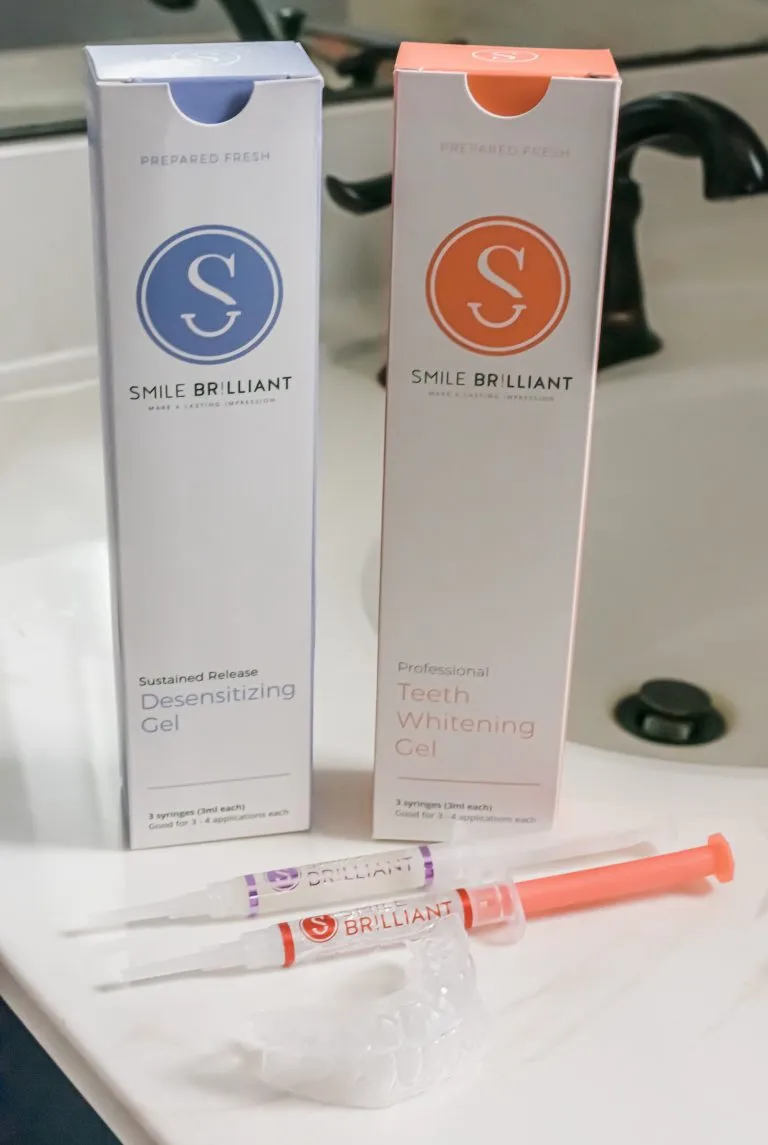
Understanding Sensitive Teeth
Sensitive teeth can be a real pain, making simple things like eating ice cream or sipping hot coffee a challenge. It’s a common condition, often characterized by a sharp, shooting pain in response to certain stimuli. This sensitivity arises when the protective enamel on your teeth wears away, or when gums recede, exposing the softer dentin underneath. The dentin contains tiny tubules that lead directly to the nerve center of the tooth. When these tubules are exposed, stimuli like cold, heat, or pressure can trigger a pain response. Understanding the underlying causes of sensitive teeth is the first step towards finding effective remedies and enjoying a pain-free smile. A proactive approach ensures you can eat and drink your favorite things without wincing in discomfort.
Causes of Tooth Sensitivity
Several factors can contribute to tooth sensitivity. Aggressive brushing, using a hard-bristled toothbrush, and brushing too vigorously can wear down enamel over time, exposing the dentin. Similarly, the use of abrasive toothpaste can have the same effect. Gum recession, often caused by periodontal disease or aggressive brushing, can also expose the roots of your teeth, which are not protected by enamel and are inherently more sensitive. Other contributing factors include teeth grinding (bruxism), which can wear down enamel, and certain dental procedures like teeth whitening. The consumption of acidic foods and drinks, such as citrus fruits, soda, and vinegar, can also erode enamel. Identifying the specific cause of your sensitivity is crucial for selecting the most appropriate remedies. Understanding these causes can help you to prevent them in the first place.
How Whitening Can Exacerbate Sensitivity

Teeth whitening treatments, while effective for enhancing the appearance of your smile, can sometimes exacerbate tooth sensitivity. Whitening agents, such as hydrogen peroxide or carbamide peroxide, work by penetrating the enamel and breaking down stain molecules. However, this process can also irritate the nerves within the tooth, leading to temporary sensitivity. The degree of sensitivity varies depending on the concentration of the whitening agent, the duration of the treatment, and individual factors such as pre-existing sensitivity or enamel thickness. Those with thinner enamel or receding gums may experience more significant discomfort. It is important to understand these effects to take the necessary precautions, like using desensitizing toothpaste or opting for gentler whitening options, to manage sensitivity while still achieving a brighter smile. Always consult with your dentist before undergoing any whitening treatment if you have a history of sensitive teeth.
Top 5 Whitening Remedies for Sensitive Teeth
Fluoride Treatments
Fluoride is a mineral that helps strengthen tooth enamel, making it more resistant to decay and sensitivity. Fluoride treatments can be particularly helpful for people with sensitive teeth. They work by remineralizing the enamel, effectively sealing the tiny tubules that lead to the tooth’s nerve center. This reduces the ability of external stimuli to reach the nerve and cause pain. Fluoride treatments can be administered professionally by a dentist or can be incorporated into your daily oral hygiene routine through the use of fluoride toothpaste or mouthwash. Regular use of fluoride products can significantly reduce tooth sensitivity, especially when combined with other remedies and proper oral care practices. The key is to use it consistently and as directed by your dentist or the product’s instructions.
How Fluoride Works

Fluoride works through a process called remineralization. The enamel on your teeth is constantly undergoing a process of demineralization and remineralization, where minerals are lost and gained. Fluoride enhances the remineralization process by attracting calcium and phosphate ions, which are essential for rebuilding the enamel. When fluoride is present, these minerals are deposited into the enamel structure, making it harder and more resistant to acid attacks from bacteria. This strengthens the enamel, fills in microscopic imperfections, and, in the process, reduces the permeability of the enamel, thereby reducing tooth sensitivity. This makes your teeth less susceptible to the factors that cause sensitivity, such as hot and cold temperatures or sweet and sour foods.
Using Fluoride Products
Incorporating fluoride products into your daily routine is relatively straightforward. Fluoride toothpaste is readily available and should be used twice a day, following your dentist’s recommendations. Ensure that you use a pea-sized amount and spit out the excess after brushing without rinsing your mouth immediately, which allows the fluoride to remain in contact with your teeth for longer. Fluoride mouthwash can be used after brushing, but it is best to use it at a different time than when you brush, to maximize the effectiveness of the fluoride. In addition to these at-home options, your dentist may recommend professional fluoride treatments, which are typically more concentrated and provide a more intensive dose of fluoride. These treatments can be particularly beneficial for individuals with severe sensitivity or those at high risk of tooth decay.
Desensitizing Toothpaste
Desensitizing toothpaste is specifically formulated to block the pathways to your tooth’s nerves, providing relief from sensitivity. These toothpastes typically contain active ingredients such as potassium nitrate or stannous fluoride, which work in different ways to reduce pain. Potassium nitrate works by calming the nerve inside the tooth, reducing its sensitivity to stimuli. Stannous fluoride, on the other hand, helps to block the tubules, preventing the transmission of pain signals. The consistent use of desensitizing toothpaste is often the first line of defense against tooth sensitivity. When used regularly, it can provide noticeable relief within a few weeks. For best results, make sure to use the toothpaste as directed and avoid rinsing immediately after brushing to allow the active ingredients to stay on your teeth for a longer period.
Choosing the Right Desensitizing Toothpaste

Choosing the right desensitizing toothpaste involves considering your specific needs and preferences. Read the labels carefully and look for products that contain potassium nitrate or stannous fluoride. Consider the flavor, as you want to find a toothpaste you will use consistently. Some people find certain flavors more appealing than others, which can increase adherence to brushing. If you also want to whiten your teeth, there are desensitizing toothpastes that also have whitening properties. Be sure to consult your dentist before switching to a new toothpaste, especially if you have any existing dental issues or specific concerns about the ingredients. Your dentist can help you choose a product that is both effective and safe for your individual needs.
Application and Usage
To get the most out of your desensitizing toothpaste, it’s important to use it correctly. Brush your teeth twice a day, using a soft-bristled toothbrush to avoid further enamel erosion. Gently brush all surfaces of your teeth, paying particular attention to the areas where you experience sensitivity. Allow the toothpaste to stay in contact with your teeth for at least one minute before rinsing, to give the active ingredients enough time to work. Avoid rinsing your mouth immediately after brushing, as this can wash away the protective components. For even greater relief, you can apply a small amount of toothpaste directly to the sensitive areas using your finger and leave it on overnight. Regular and consistent use of desensitizing toothpaste, combined with good oral hygiene practices, will provide the best outcomes for managing sensitive teeth.
Potassium Nitrate
Potassium nitrate is a common ingredient in desensitizing toothpastes, and it works by penetrating the tooth to soothe the nerves. It reduces tooth sensitivity by entering the tooth through the dentinal tubules and depolarizing the nerve fibers, which prevents them from transmitting pain signals to the brain. This results in a decreased response to hot, cold, sweet, or sour stimuli. Potassium nitrate is a safe and effective ingredient, and its effects are generally noticeable after a few weeks of regular use. Many people with sensitive teeth find that potassium nitrate-based toothpastes significantly improve their comfort when eating and drinking. It is readily available in most over-the-counter toothpastes, making it an accessible solution for many individuals.
How Potassium Nitrate Works

Potassium nitrate functions by essentially calming the nerves inside the tooth. The mechanism of action involves the potassium ions entering the nerve cells and preventing the transmission of pain signals. These ions depolarize the nerve endings, making them less sensitive to external stimuli. This blocks the pain signals before they reach the brain, providing relief from the discomfort associated with sensitive teeth. This effect is not immediate; it builds up with consistent use over time. The nerve-calming effect helps in reducing sensitivity, allowing you to eat and drink comfortably. Regular use of potassium nitrate-containing toothpaste is therefore key to achieving and maintaining these benefits. Combining this with other oral hygiene measures provides the best results.
Products Containing Potassium Nitrate
Numerous over-the-counter toothpastes contain potassium nitrate. When selecting a product, look for the ingredient listed on the label. Brands like Sensodyne, Pronamel, and others offer a variety of toothpastes with potassium nitrate as the active ingredient. The concentration of potassium nitrate can vary between different toothpastes, but generally, they are formulated to be effective for sensitive teeth. Consider other factors, such as flavor, price, and additional benefits like cavity protection or whitening, when choosing a product. If you find that one product does not provide sufficient relief, you may want to try another or consult your dentist for recommendations. It is important to follow the directions provided on the product label, including the recommended brushing frequency and amount of toothpaste to use.
Gentle Whitening Options
If you have sensitive teeth and still desire a brighter smile, gentle whitening options are available. These options are designed to minimize the irritation associated with traditional teeth whitening treatments. One approach is to use lower concentrations of hydrogen peroxide or carbamide peroxide, the active ingredients in whitening products. This reduces the intensity of the treatment and the likelihood of sensitivity. Another alternative is to use whitening toothpastes or mouthwashes, which typically contain milder whitening agents and are less likely to cause discomfort. Always consult with your dentist before attempting any whitening treatment, especially if you have sensitive teeth, as they can assess your oral health and recommend the most appropriate and safe methods. Patience and consistency are key, as gentle whitening options may take longer to produce noticeable results.
Professional Whitening Options

Dentists offer various professional whitening treatments that can be tailored to minimize sensitivity. One common approach is to use in-office whitening procedures, where a dentist applies a concentrated whitening gel to your teeth and activates it with a special light. Before the procedure, your dentist can often take steps to protect your teeth, such as applying a desensitizing agent or using a higher concentration of fluoride. Another option is to use custom-fitted whitening trays, provided by your dentist, to apply a lower-concentration whitening gel at home. The dentist can monitor your progress and adjust the treatment as needed, taking into account any sensitivity you may experience. Your dentist can assess the health of your teeth and gums and determine if you are a suitable candidate for whitening. They can then recommend the best approach to achieve the desired results with the least amount of discomfort.
Other Tips for Sensitive Teeth
Proper Brushing Techniques
Proper brushing techniques are essential for managing sensitive teeth. Avoid brushing too hard or using a hard-bristled toothbrush, as this can wear away enamel and contribute to gum recession. Instead, use a soft-bristled toothbrush and brush your teeth gently, using small, circular motions. Apply minimal pressure and focus on cleaning each tooth surface thoroughly. Brush your teeth for at least two minutes, twice a day, following the recommended brushing pattern. Pay attention to the areas where you experience sensitivity and be particularly gentle in those areas. Replace your toothbrush every three months or sooner if the bristles become frayed. When choosing a toothbrush, consider one with a small head to allow better access to all areas of your mouth.
Dietary Considerations

Your diet can significantly impact the health of your teeth and gums, especially if you have sensitive teeth. Limit your consumption of acidic foods and drinks, such as citrus fruits, tomatoes, vinegar, soda, and fruit juices, as they can erode enamel and worsen sensitivity. Avoid frequently snacking on these items throughout the day, as this can lead to continuous acid exposure. If you consume acidic foods or drinks, rinse your mouth with water afterward to help neutralize the acid. Drink plenty of water throughout the day to keep your mouth hydrated and to stimulate saliva production, as saliva helps to protect your teeth. A balanced diet rich in calcium, vitamin D, and other essential nutrients can help strengthen your teeth and gums and reduce sensitivity.
Consulting Your Dentist
If you are experiencing tooth sensitivity, it is always a good idea to consult your dentist. They can accurately diagnose the cause of your sensitivity and recommend the most appropriate remedies. Your dentist can perform a thorough examination, which may include X-rays, to assess your oral health and identify any underlying issues, such as cavities, gum disease, or enamel erosion. They can also provide professional treatments, such as fluoride applications or desensitizing agents, that can help relieve your symptoms. Your dentist can offer personalized advice on brushing techniques, dietary modifications, and the best oral care products for your specific needs. Regular dental check-ups and cleanings are essential for maintaining healthy teeth and gums and for detecting and addressing potential problems early on.