
Teeth whitening is a popular cosmetic procedure, promising a brighter, more confident smile. However, a common concern is the development of tooth sensitivity after whitening. This article explores the science behind this sensitivity, delves into its root causes, and offers practical solutions to manage and prevent it. Understanding the factors that contribute to sensitivity can help you make informed decisions about your whitening journey and maintain optimal oral health.
The Science Behind Teeth Whitening Sensitivity
To understand why teeth become sensitive after whitening, it’s essential to grasp the underlying science. Whitening treatments, whether professional or at-home, primarily rely on chemical agents that interact with the tooth’s structure. These agents penetrate the enamel and dentin, the layers that make up your teeth, to break down the stain molecules responsible for discoloration. The process, while effective, can sometimes lead to temporary or even prolonged sensitivity.
How Whitening Agents Work
The most common active ingredient in teeth whitening products is hydrogen peroxide or its derivative, carbamide peroxide. These compounds release oxygen molecules that react with the stain molecules embedded within the tooth’s enamel and dentin. This oxidation process breaks down the stains, lightening the tooth’s overall appearance. The effectiveness of the whitening agent depends on its concentration and the duration of its application. However, this process can also affect the tooth’s internal structures, leading to sensitivity.
The Role of Peroxide

Hydrogen peroxide, the active ingredient in many whitening products, works by penetrating the enamel and dentin to break down stain molecules. The higher the concentration of peroxide, the faster and more effective the whitening process, but also the greater the potential for sensitivity. This is because peroxide can irritate the nerve endings within the tooth, causing discomfort. Understanding the role of peroxide is key to understanding the cause of sensitivity.
Why Sensitivity Occurs
Tooth sensitivity after whitening is primarily due to the way these whitening agents interact with the tooth’s structure. Enamel, the outermost layer of the tooth, is porous. When exposed to whitening agents, these agents pass through the enamel and into the dentin. The dentin contains microscopic tubules that lead to the pulp, where the tooth’s nerves reside. The whitening agents irritate these nerves, causing the characteristic sensitivity. Also, the bleaching process temporarily dehydrates the teeth, which can increase sensitivity.
Top 5 Causes of Sensitivity After Whitening
Several factors can contribute to tooth sensitivity following a whitening treatment. Understanding these causes can help you take proactive steps to minimize discomfort and enjoy a brighter smile without the pain. Here are the top five causes, based on dental professionals and scientific research.
Enamel Thinning
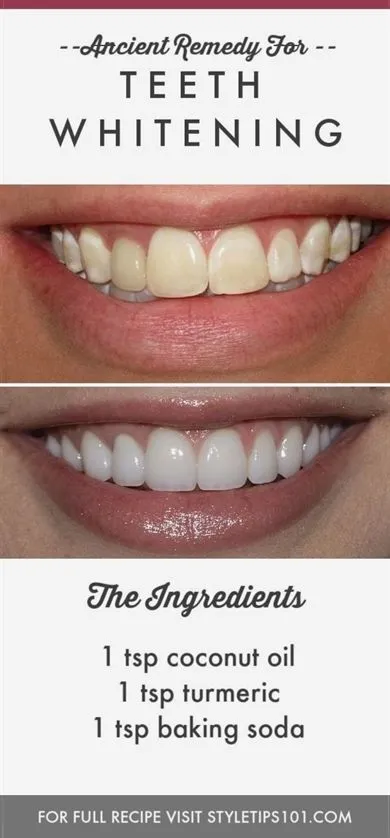
Enamel is the hard, protective outer layer of the tooth. Over time, or with aggressive brushing and certain whitening treatments, enamel can thin. This thinning exposes the underlying dentin, which is more porous and contains tubules that lead directly to the tooth’s nerve. When enamel is compromised, the whitening agents can more easily penetrate to these nerves, resulting in heightened sensitivity. In addition, acid erosion from dietary sources or other dental treatments may exacerbate enamel thinning. Careful attention to oral hygiene practices and professional advice can help protect and maintain your enamel.
Gum Recession
Gum recession, where the gum tissue pulls back, exposes the roots of your teeth. Tooth roots are not covered by enamel; instead, they are protected by cementum, which is thinner and less resistant to sensitivity. When the roots are exposed, they are more susceptible to irritation from whitening agents. Gum recession can be caused by aggressive brushing, gum disease, or simply aging. If you have receding gums, talk to your dentist about strategies to protect your teeth and gums during whitening, and consider more conservative whitening options.
Existing Dental Work
Existing dental work, such as fillings, crowns, and veneers, do not whiten in the same way as natural tooth enamel. Whitening agents can penetrate the porous structure of enamel, but they cannot change the color of these restorations. If you have dental work, the contrast between your whitened natural teeth and the original color of your fillings or crowns may increase the perception of sensitivity, as the dental work may be more noticeable against the brighter shade of your natural teeth. It is important to discuss your existing dental work with your dentist before beginning any whitening treatment.
High Concentration of Whitening Agents

The concentration of the whitening agent directly impacts the potential for sensitivity. Professional whitening treatments typically use higher concentrations of hydrogen peroxide than at-home products, which may lead to greater sensitivity, but can produce more rapid results. Over-the-counter products have lower concentrations, making them gentler, but they may require more extended use. The duration of application also plays a role; the longer the agent is in contact with the teeth, the greater the chance of sensitivity. Choosing the right product and following the manufacturer’s instructions or your dentist’s recommendations is essential.
Over-Whitening
Over-whitening occurs when the teeth are exposed to whitening agents for too long or too frequently. This can weaken the enamel and increase the risk of sensitivity. Following the recommended treatment plan, and avoiding the temptation to whiten beyond the recommended time, can help prevent this. Furthermore, it is important to remember that each person’s teeth respond differently to whitening treatments. Your dentist can help to determine the best approach for your unique needs.
Managing and Preventing Sensitivity
Fortunately, there are several strategies to manage and prevent sensitivity after teeth whitening. These include changes in your oral hygiene routine, dietary adjustments, and, in some cases, professional treatments. Consult with your dentist to determine the best approach for your situation.
Using Sensitive Toothpaste

Sensitive toothpaste contains ingredients, such as potassium nitrate or stannous fluoride, that help block the tubules in the dentin, reducing the transmission of sensations to the nerve. Using sensitive toothpaste for several weeks before and during whitening can help minimize sensitivity. These toothpastes require consistent use to be effective, and it may take several days or weeks to see a noticeable difference. Be sure to follow the instructions on the toothpaste packaging.
Fluoride Treatments
Fluoride strengthens enamel and can help reduce sensitivity. Your dentist may provide fluoride treatments in the form of a varnish, gel, or rinse. These treatments can help remineralize the enamel, making it more resistant to the effects of whitening agents. Regular fluoride treatments are an effective preventive measure, particularly if you are prone to sensitivity. Follow your dentist’s recommendations for the frequency and duration of these treatments.
Avoiding Certain Foods and Drinks
Certain foods and drinks, such as those that are acidic or very hot or cold, can exacerbate tooth sensitivity. Acidic foods can erode enamel, while extreme temperatures can trigger nerve responses. During and after whitening, it is advisable to limit the consumption of these foods and drinks. Stick to a diet that is rich in calcium and minerals, such as milk, yogurt, and other calcium-rich foods to maintain strong teeth. Also, drink plenty of water to help keep your mouth hydrated and reduce sensitivity.
When to See a Dentist

If tooth sensitivity persists or is severe, it is crucial to consult your dentist. They can assess the underlying cause and recommend appropriate treatments. In some cases, more advanced treatments, such as professional fluoride treatments or desensitizing agents, may be necessary. Your dentist can also evaluate your oral health and determine if other factors, such as gum disease or enamel erosion, are contributing to your sensitivity. Regular dental check-ups are essential for maintaining optimal oral health and preventing or managing sensitivity issues.
In conclusion, tooth sensitivity after whitening is a common experience, but understanding the causes and implementing preventative measures can help you achieve a brighter smile with minimal discomfort. Following the guidelines provided by your dentist and practicing good oral hygiene are critical to a successful whitening experience. If you have questions or concerns about tooth sensitivity, do not hesitate to consult your dentist. They are the best resource for personalized advice and treatment options, ensuring you can enjoy the benefits of a whiter smile without compromising your oral health.