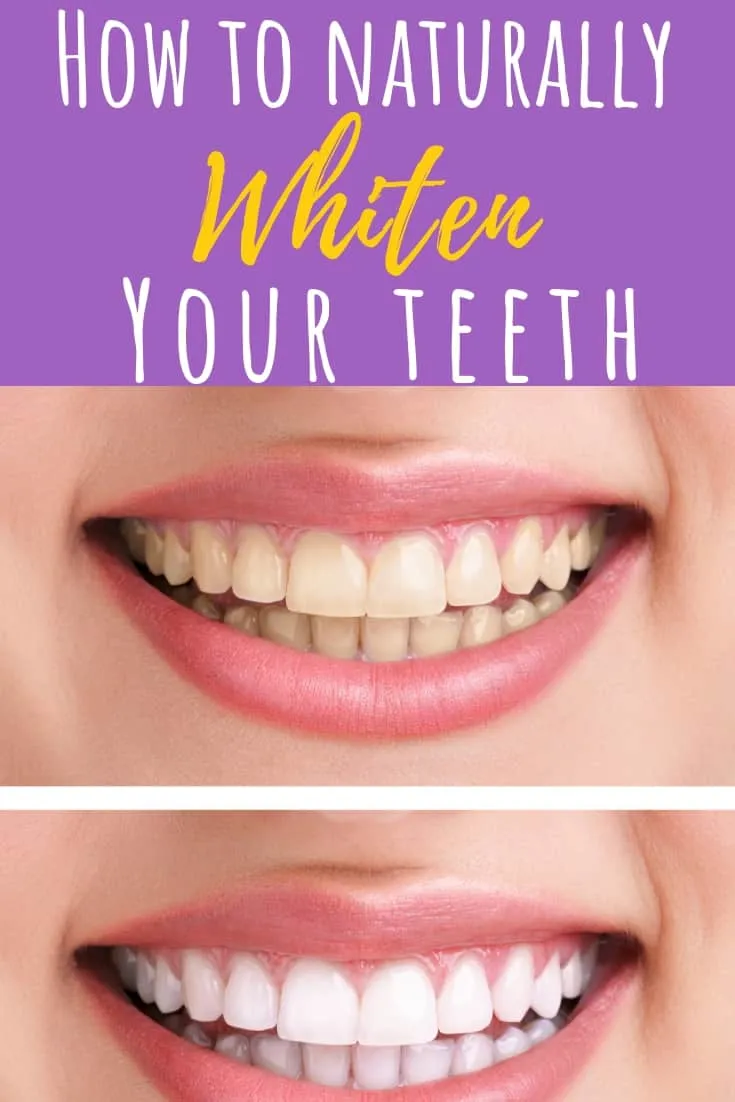
Are you dreaming of a brighter, more confident smile? The good news is that achieving a dazzling grin doesn’t always require expensive and invasive procedures. This guide will explore quick and natural teeth whitening methods you can try at home. From understanding the causes of discoloration to practical tips for application, we’ll cover everything you need to know to enhance your smile’s natural brilliance.
Understanding Teeth Discoloration and Stains
Before diving into whitening methods, it’s crucial to understand why our teeth change color. Teeth discoloration and stains can occur for various reasons, affecting both the appearance and the overall health of your smile. Knowing the underlying causes will help you choose the most effective and safe whitening approach.
Causes of Teeth Discoloration
Several factors contribute to teeth discoloration. The most common include age, genetics, and lifestyle choices. As we age, the enamel on our teeth thins, revealing more of the yellowish dentin underneath. Genetics can also predispose individuals to naturally darker tooth shades. Lifestyle factors like smoking, excessive alcohol consumption, and poor oral hygiene significantly impact the color of your teeth.
Types of Teeth Stains

Teeth stains are generally categorized into two main types: extrinsic and intrinsic. Extrinsic stains affect the enamel’s surface, caused by food, drinks, and tobacco. These stains are typically easier to remove with at-home treatments. Intrinsic stains originate from within the tooth structure, often due to aging, trauma, or certain medications. Intrinsic stains may require professional whitening procedures for optimal results.
Effective Quick Teeth Whitening Methods
Now, let’s explore some effective, natural methods you can use to brighten your smile quickly. Remember, consistency and patience are essential. Always prioritize your oral health by consulting with a dentist before starting any new whitening treatments. These methods can be incorporated into your daily routine to gradually enhance your teeth’s brightness.
Baking Soda and Hydrogen Peroxide for Whitening
Baking soda and hydrogen peroxide are popular for their teeth whitening properties. Baking soda acts as a gentle abrasive, helping to scrub away surface stains, while hydrogen peroxide has a mild bleaching effect. Mix a small amount of baking soda with hydrogen peroxide to form a paste. Gently brush your teeth with this paste for about two minutes, then rinse thoroughly. Use this mixture once or twice a week to avoid potential enamel erosion.
Using Coconut Oil for Teeth Whitening

Oil pulling with coconut oil is an ancient Ayurvedic practice that can improve oral health and potentially whiten teeth. Coconut oil contains lauric acid, which may help remove bacteria and plaque. Swish one to two tablespoons of coconut oil in your mouth for 15-20 minutes daily, then spit it out and rinse your mouth. This method can contribute to a brighter smile and also improve gum health.
The Power of Fruits for Whitening Teeth
Certain fruits contain natural enzymes that can help whiten teeth. Strawberries and pineapple are particularly beneficial. Strawberries contain malic acid, which acts as a natural astringent, removing surface stains. Pineapple contains bromelain, an enzyme with anti-inflammatory and stain-removing properties. Simply mash a strawberry or chew a slice of pineapple, then brush your teeth gently to get the benefits. However, use these methods in moderation as excessive acidity can harm enamel.
Lemon and Baking Soda Mixture
Lemon and baking soda can be used together for teeth whitening. The citric acid in lemon can help with whitening, while baking soda provides a gentle abrasive effect. Mix lemon juice with baking soda to form a paste, and use it to brush your teeth. However, use this mixture very sparingly, as lemon juice is highly acidic and can erode enamel if used too frequently. Rinse your mouth thoroughly after use.
Tips for Safe Application and Usage

To ensure safe and effective teeth whitening, follow these guidelines. Always use a soft-bristled toothbrush to avoid damaging your enamel. Brush gently and avoid excessive force. Limit the frequency of abrasive treatments like baking soda and lemon juice to once or twice a week. Rinse your mouth thoroughly after each treatment to remove any residue. If you experience increased sensitivity, discontinue the treatment and consult your dentist.
Potential Risks and Precautions
While natural teeth whitening methods can be effective, it’s essential to be aware of potential risks. Overuse of abrasive substances can erode enamel, leading to increased sensitivity and an increased risk of cavities. Some individuals may experience gum irritation or sensitivity to certain ingredients. Always consult your dentist before starting any new whitening treatment to ensure it is safe for your oral health. Consider professional advice, as they can identify underlying issues and recommend appropriate solutions.
Maintaining Your Bright Smile
Achieving a brighter smile is just the first step. Maintaining it requires consistent oral hygiene practices and mindful lifestyle choices. Proper care will ensure that your teeth stay white and healthy for years to come. This involves establishing good habits that protect your enamel and prevent future staining. Here are some essential practices to incorporate into your daily routine.
Oral Hygiene Practices for Long-Term Whitening

Effective oral hygiene is the cornerstone of a bright, healthy smile. Brush your teeth at least twice a day for two minutes each time, using fluoride toothpaste. Floss daily to remove plaque and food particles from between your teeth. Consider using an antibacterial mouthwash to reduce bacteria and keep your breath fresh. Regular dental check-ups and cleanings are crucial for removing plaque and tartar and maintaining overall oral health.
Foods and Drinks to Avoid
Certain foods and drinks can stain your teeth, so limiting their consumption will help maintain your bright smile. Coffee, tea, red wine, and dark-colored sodas are major culprits. Smoking and chewing tobacco also cause significant discoloration. Berries, soy sauce, and tomato-based sauces can also stain teeth. Drink these beverages through a straw to minimize contact with your teeth, and brush your teeth or rinse your mouth with water after consuming them.
Professional Teeth Whitening Options
If at-home methods don’t deliver the results you desire, professional teeth whitening may be the solution. Dentists offer various whitening treatments, including in-office bleaching and custom-fitted whitening trays. These treatments use higher concentrations of whitening agents, delivering more dramatic results. Professional whitening is generally safer and more effective than at-home methods, as a dental professional supervises the process. They can also address any underlying dental issues that may be contributing to the discoloration.
In-office bleaching involves applying a strong whitening gel to your teeth and activating it with a special light. Custom-fitted whitening trays allow you to whiten your teeth at home under the supervision of your dentist. They provide trays designed to fit your mouth perfectly, ensuring the whitening agent contacts your teeth evenly. Discuss your goals and concerns with your dentist to determine the best option for your needs.
Achieving a brighter smile doesn’t have to be complicated. By understanding the causes of teeth discoloration and employing effective, natural whitening methods, you can enhance your smile’s natural brilliance. Incorporating proper oral hygiene practices and being mindful of your diet will ensure your teeth stay white and healthy. Remember, consistency and patience are key. Always consult your dentist for personalized advice and to ensure the safety and effectiveness of any whitening treatment.