
The Power of Milk & Turmeric for Skin Whitening
The quest for radiant, even-toned skin has led people to explore various natural remedies. Among these, the combination of milk and turmeric has gained considerable attention for its potential skin-whitening benefits. This ancient Ayurvedic practice combines the gentle exfoliating and hydrating properties of milk with the potent antioxidant and anti-inflammatory capabilities of turmeric. This article delves into the top five benefits of this powerful duo, providing insights into how milk and turmeric can transform your skincare routine. The synergy between these two ingredients offers a holistic approach to achieving a brighter and more luminous complexion, making them a valuable addition to your beauty regimen. Embrace the natural goodness of milk and turmeric and unveil the secrets to a glowing, healthy skin.
Benefit 1 Enhanced Skin Brightening
One of the primary advantages of using milk and turmeric for skin whitening is the noticeable enhancement in skin brightness. The gentle exfoliating properties of milk help to remove dead skin cells, revealing the fresh, radiant skin underneath. Turmeric, with its active compound curcumin, works to inhibit the production of melanin, the pigment responsible for skin darkening. Together, they create a powerful combination that not only brightens the skin’s appearance but also promotes a more even skin tone. Regular use can lead to a visible reduction in dullness and a natural, healthy glow. This combination is a gentle yet effective method for achieving a brighter and more luminous complexion.
How Milk Works for Skin Brightening

Milk, especially when used topically, acts as a gentle cleanser and exfoliator. The lactic acid present in milk helps to break down dead skin cells, allowing them to be removed easily. This process reveals the underlying, brighter skin, reducing the appearance of dullness and unevenness. Furthermore, milk’s moisturizing properties keep the skin hydrated, which is essential for maintaining a healthy glow. The natural enzymes in milk also contribute to a mild lightening effect, making it an excellent base for skin-brightening treatments. This action of milk prepares the skin to better absorb the benefits of turmeric, amplifying its effects.
How Turmeric Works for Skin Brightening
Turmeric is renowned for its ability to lighten skin and reduce hyperpigmentation. The key compound, curcumin, inhibits tyrosinase, an enzyme that is critical for melanin production. By reducing melanin synthesis, turmeric helps to lighten dark spots and even out skin tone. Its potent antioxidant properties also protect the skin from free radical damage, which can cause premature aging and further darkening. Regular use of turmeric, combined with milk, contributes to a brighter and more radiant complexion. Incorporating turmeric into your skincare routine provides an effective and natural way to achieve a healthy, glowing skin.
Benefit 2 Reduction in Hyperpigmentation
Hyperpigmentation, characterized by dark patches on the skin, can result from sun damage, inflammation, or hormonal changes. Milk and turmeric work synergistically to combat this condition. Milk gently exfoliates the affected areas, aiding in the removal of dead, pigmented skin cells, while turmeric’s curcumin targets the melanin production, preventing the formation of new dark spots. Consistent application can visibly reduce the appearance of hyperpigmentation, leading to a more uniform skin tone. This dual-action approach provides a gentle, natural remedy for a common skin concern, promoting clearer, more radiant skin.
Milk and Hyperpigmentation

Milk helps in the treatment of hyperpigmentation in several ways. Its gentle exfoliating properties help to remove the top layer of skin, including pigmented cells. This shedding of old cells encourages the growth of new, lighter skin cells, reducing the visibility of dark spots. Additionally, the lactic acid in milk has mild skin-lightening properties, which can further diminish the appearance of hyperpigmentation. The hydrating effects of milk also support the skin’s natural healing process, making it an essential component in the fight against uneven skin tone. Using milk in combination with turmeric provides a gentle, yet effective, treatment for hyperpigmentation, promoting a clearer complexion.
Turmeric and Hyperpigmentation
Turmeric’s primary role in reducing hyperpigmentation is due to its active compound, curcumin. Curcumin inhibits tyrosinase, the enzyme responsible for melanin production. By blocking tyrosinase, turmeric prevents the overproduction of melanin, which is the root cause of dark spots and uneven skin tone. Its antioxidant properties also protect the skin from damage caused by free radicals, preventing further hyperpigmentation. The anti-inflammatory benefits of turmeric also soothe the skin, reducing redness and inflammation, which can exacerbate hyperpigmentation. The combined effect makes turmeric a powerful ingredient in the treatment and prevention of hyperpigmentation.
Benefit 3 Anti-Inflammatory Properties
Both milk and turmeric possess significant anti-inflammatory properties, which are beneficial for the skin. Milk soothes the skin and reduces redness, while turmeric’s curcumin is a potent anti-inflammatory agent. Inflammation can contribute to various skin issues, including acne, eczema, and psoriasis. By calming inflammation, this combination can help to alleviate these conditions and promote healthier skin. The anti-inflammatory action also aids in faster healing of skin irritations and reduces the chances of developing dark spots after inflammation. Incorporating milk and turmeric into your skincare routine offers a natural way to soothe irritated skin and maintain a calm, balanced complexion.
Milk’s Anti-Inflammatory Benefits

Milk’s anti-inflammatory properties are often overlooked, but its hydrating and soothing effects can significantly reduce skin irritation. It contains compounds that help to calm redness and reduce inflammation associated with various skin conditions. Applying milk topically can provide relief from itching and discomfort, promoting a more comfortable skin environment. The natural proteins and vitamins in milk also support the skin’s natural healing processes, making it a valuable remedy for irritated or inflamed skin. Milk’s gentle nature makes it suitable for all skin types, providing a soothing and calming effect.
Turmeric’s Anti-Inflammatory Benefits
Turmeric is renowned for its potent anti-inflammatory properties, primarily due to curcumin. Curcumin inhibits inflammatory pathways, reducing redness, swelling, and irritation. This makes turmeric beneficial for conditions like acne, eczema, and psoriasis. It also accelerates the healing of wounds and reduces the likelihood of scarring. By calming inflammation, turmeric helps to create a healthier skin environment. The antioxidant effects of turmeric further protect the skin from damage, preventing future inflammation. The use of turmeric provides a natural solution for soothing inflamed skin and promoting overall skin health.
Benefit 4 Improved Skin Tone
Regular use of milk and turmeric can lead to a noticeable improvement in skin tone. By addressing issues like hyperpigmentation, inflammation, and dullness, this combination contributes to a more even and radiant complexion. Milk’s exfoliating properties remove dead skin cells, revealing a fresh, new layer of skin, while turmeric’s antioxidant properties help protect against damage that can lead to uneven tone. The combined effects of these ingredients ensure a smoother, more balanced skin tone. This helps you achieve a naturally glowing skin, reducing the appearance of blemishes and imperfections. This transformation results in a healthy and vibrant complexion.
Milk and Skin Tone

Milk contributes to improved skin tone primarily through its gentle exfoliating and hydrating properties. The removal of dead skin cells helps to reveal the brighter skin underneath, immediately improving overall skin tone. Its hydrating effects also contribute to a plumper, more radiant complexion. The lactic acid in milk can also help to even out skin tone by reducing the appearance of dark spots and hyperpigmentation. The regular use of milk helps promote a smoother skin surface, which further enhances skin tone. Milk’s gentle nature makes it suitable for all skin types, ensuring that the skin stays nourished and hydrated.
Turmeric and Skin Tone
Turmeric plays a significant role in improving skin tone due to its ability to reduce inflammation and fight against hyperpigmentation. By inhibiting the production of melanin, it helps to lighten dark spots and even out the complexion. Its antioxidant properties also protect the skin from damage caused by free radicals, which can contribute to uneven skin tone. The anti-inflammatory benefits soothe the skin, reducing redness and irritation that can cause the skin tone to appear uneven. Consistent use of turmeric in skincare provides a natural way to achieve a more radiant and balanced skin tone.
Benefit 5 Antioxidant Protection
Both milk and turmeric are rich in antioxidants, which play a vital role in protecting the skin from environmental damage. Antioxidants neutralize free radicals, unstable molecules that can cause premature aging, wrinkles, and other skin issues. Milk contains antioxidants like vitamin A, which helps protect the skin. Turmeric, with its powerful compound curcumin, offers robust antioxidant protection. Regular use of this combination can help to keep the skin looking youthful, healthy, and radiant. Protecting the skin from free radical damage is crucial for maintaining a clear and even complexion, preventing premature signs of aging, and ensuring long-term skin health. This blend is a powerful defense against environmental stressors.
Milk’s Antioxidant Properties

Milk, though often recognized for its moisturizing and exfoliating properties, also provides significant antioxidant benefits. It contains vitamin A, which protects the skin from damage caused by free radicals. These free radicals can lead to premature aging, wrinkles, and other skin issues. Milk’s antioxidant compounds help neutralize these radicals, supporting overall skin health and preventing premature aging. By using milk in your skincare routine, you can support your skin’s natural defenses against environmental stressors, leading to a healthier and more youthful complexion.
Turmeric’s Antioxidant Properties
Turmeric’s antioxidant properties are primarily due to the presence of curcumin. Curcumin is a potent antioxidant that neutralizes free radicals, protecting the skin from damage and premature aging. These free radicals can be caused by exposure to the sun, pollution, and other environmental factors. By fighting these harmful molecules, turmeric helps to keep the skin looking healthy and radiant. Its antioxidant action is crucial for maintaining a youthful complexion and preventing skin damage. The regular use of turmeric in skincare provides powerful defense against environmental stressors, contributing to healthier, glowing skin.
How to Use Milk and Turmeric for Skin Whitening
Incorporating milk and turmeric into your skincare routine is a straightforward process. The most common method is to create a face mask, which is easy to prepare and apply. This mask can be used one to three times a week. The consistency should be thick enough to stay on the skin but thin enough to spread evenly. Remember to do a patch test before applying any new treatment to your face to check for potential sensitivities. The combination of milk and turmeric offers a gentle yet effective way to harness the benefits of both ingredients, helping you achieve brighter and healthier skin.
Milk and Turmeric Face Mask Recipe

Here is a simple recipe for a milk and turmeric face mask that can be easily incorporated into your skincare routine. This face mask combines the benefits of milk and turmeric to help brighten and even your skin tone. Remember to use fresh, high-quality ingredients for the best results. Regularly using this face mask will help you to get the most benefits from these natural ingredients. Follow these steps for a glowing complexion, step by step, and experience the magic of milk and turmeric.
Step 1 Preparation
In a clean bowl, mix 2 tablespoons of milk (preferably whole milk for added benefits) with ½ teaspoon of turmeric powder. Ensure that the turmeric powder is of good quality and finely ground to avoid any graininess. Stir the mixture well until it forms a smooth paste. You can adjust the amount of milk to achieve the desired consistency. The paste should not be too runny. Preparing the mixture carefully is crucial for the effectiveness of the face mask. If you have sensitive skin, add a drop of honey for added hydration and soothing properties. Make sure all utensils are clean before starting, to maintain the purity of the mask.
Step 2 Application
Apply the face mask evenly to clean, dry skin. Avoid the eye area. Leave the mask on for about 15-20 minutes, allowing it to dry and work its magic. Relax while the mask is on, and use this time to unwind. Ensure that the mask covers all areas of your face, making sure not to get any in your eyes or mouth. You may feel a slight tingling sensation, which is normal and indicates the mask is working. If you experience any severe irritation, rinse it off immediately. Proper application is key to maximizing the benefits of the mask.
Step 3 Rinse and Moisturize
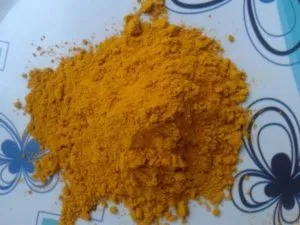
Rinse off the mask thoroughly with lukewarm water, ensuring that all traces of turmeric are removed. Turmeric can sometimes leave a slight yellow tint on the skin, but this should fade within a few hours. Gently pat your face dry with a soft towel. Follow up with a gentle moisturizer to hydrate and soothe your skin. Applying a moisturizer helps to lock in the benefits of the mask and keep the skin hydrated. This step is essential for maintaining healthy and radiant skin. Proper rinsing and moisturizing ensure that the skin remains balanced and protected.
Precautions and Considerations
While milk and turmeric are generally safe for most skin types, it is crucial to be aware of certain precautions. Proper storage of both ingredients and a careful approach to application can help avoid any adverse reactions. If you have pre-existing skin conditions or allergies, it is always best to consult with a dermatologist before incorporating new treatments into your routine. Taking these steps will help ensure a safe and effective skincare experience.
Skin Sensitivity
Some individuals may have sensitivities to milk or turmeric. Milk allergies are not uncommon, and turmeric can sometimes cause mild irritation or redness, especially when used in high concentrations. If you have known allergies to milk or any related dairy products, avoid using milk-based face masks. For turmeric, start with a small amount and gradually increase the concentration to see how your skin reacts. Always monitor your skin for any adverse reactions, such as itching, burning, or swelling, and discontinue use if any such symptoms appear. Understanding and respecting your skin’s sensitivity is crucial for a positive skincare experience.
Patch Test
Before applying the milk and turmeric face mask to your entire face, it is essential to perform a patch test. Apply a small amount of the mixture to a discreet area of your skin, such as the inside of your elbow or behind your ear. Wait for 24 hours and observe the area for any signs of irritation, redness, or allergic reaction. If no adverse reactions occur, it is generally safe to proceed with using the mask on your face. This simple test can prevent unwanted reactions and ensure that your skin remains healthy and radiant.
Storage
Proper storage of milk and turmeric is essential to maintain their effectiveness and prevent contamination. Store milk in the refrigerator to keep it fresh and prevent bacterial growth. It is best to use fresh milk for each application to avoid spoilage. Turmeric powder should be stored in an airtight container in a cool, dry place away from direct sunlight. This will help preserve its potency and prevent it from clumping or losing its vibrant color. Following these storage guidelines will ensure that you are using the freshest, most effective ingredients in your skincare routine.