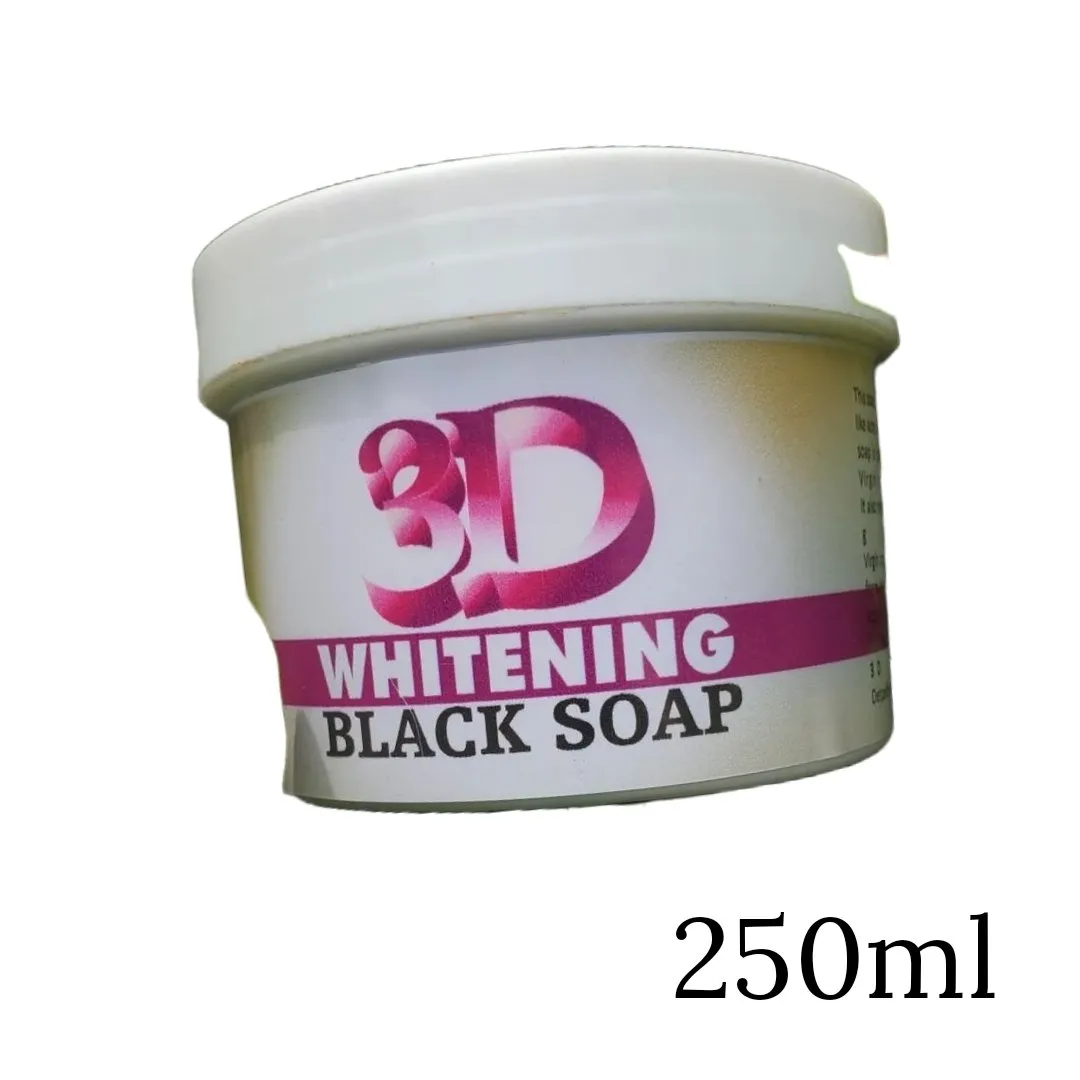
Understanding Whitening Black Soap
Whitening black soap is a specialized variant of traditional black soap, often crafted in West Africa. While traditional black soap is celebrated for its cleansing and moisturizing properties, the whitening version includes ingredients aimed at reducing hyperpigmentation and brightening the skin tone. The primary goal is to achieve a more even complexion by addressing issues like dark spots, acne scars, and uneven skin tone. It’s essential to approach this soap with knowledge, understanding its formulation, and how it interacts with different skin types. This ensures that the benefits are maximized while minimizing the risks of irritation or adverse reactions.
Ingredients You’ll Need for Whitening Black Soap
Creating effective whitening black soap involves carefully selecting ingredients that work synergistically to cleanse, exfoliate, and brighten the skin. The best recipes use a combination of base ingredients and additives, where each one contributes to the final product’s efficacy. You’ll need essential components to create a safe and beneficial soap. Quality is paramount; hence, it’s advisable to procure ingredients from reliable sources. This guarantees the potency of the product and minimizes the risk of any adverse reactions. Accurate measurements and proper handling are also crucial to ensure the final product is effective and user-friendly. Understanding each ingredient’s role is key to customizing the soap to your specific needs, whether you want a gentle, daily cleanser or a more potent treatment for dark spots.
Base Ingredients for Whitening Black Soap

The foundation of whitening black soap consists of base ingredients, often including raw African black soap as a starting point. This base offers cleansing and moisturizing properties, but you may also include other components. These base components prepare the skin to absorb the benefits of the added whitening agents. Common ingredients include palm kernel oil, cocoa pod ash, and shea butter. The ash from the cocoa pods provides the characteristic black color and acts as a mild exfoliant. Shea butter is excellent for moisturizing the skin, while palm kernel oil contributes to the soap’s lather and cleansing abilities. The ratio of these ingredients affects the soap’s texture and cleansing power, so finding the right balance is key.
Additives for Enhanced Whitening Effect
Additives are the key to achieving the whitening effect in black soap. Several ingredients are known for their skin-brightening capabilities. These additives work to reduce melanin production, exfoliate dead skin cells, and even out skin tone. Some common additives include kojic acid, known for its ability to lighten hyperpigmentation. Vitamin C, in the form of ascorbic acid or sodium ascorbyl phosphate, is another excellent choice for its antioxidant and brightening properties. Additional beneficial components include turmeric powder, known for its anti-inflammatory and antioxidant properties. Always ensure the additives are of high quality and used in appropriate concentrations to avoid potential skin irritation. When mixing additives, carefully follow the prescribed ratios to ensure that the soap is safe and effective.
Step-by-Step Guide to Making Whitening Black Soap
Preparing the Black Soap Base

The first step involves preparing the black soap base. If you start with raw African black soap, you may need to soften it by gently melting it in a double boiler or using a low heat setting. Be careful not to overheat the soap, as this can degrade its beneficial properties. Once melted, the base should have a smooth consistency, ready to incorporate other ingredients. Some people prefer to make the base from scratch, mixing palm kernel oil, cocoa pod ash, and other base ingredients. Ensure that all materials are thoroughly mixed to avoid inconsistencies in the final product. The quality of the base will directly affect the efficacy and safety of your whitening black soap.
Incorporating Whitening Additives
Once the base is ready, you can begin adding the whitening ingredients. Slowly incorporate the additives, such as kojic acid, vitamin C, and turmeric powder, into the melted soap base. Mixing these components evenly is crucial for a consistent whitening effect throughout the soap. Use a whisk or a stick blender to ensure that the additives are completely dissolved and distributed. Be aware of the specific handling instructions for each additive. For instance, vitamin C might be sensitive to heat, so it’s usually added when the soap has cooled slightly. Take your time during this step, as it ensures the effectiveness of your final product.
Curing and Storage of Your Whitening Black Soap
After mixing the ingredients, it’s essential to allow the soap to cure. Curing is the process where the soap’s water content evaporates, resulting in a harder, longer-lasting bar with a milder pH. Place the soap in a well-ventilated area and allow it to cure for several weeks. The curing time can vary, but it typically lasts between four to six weeks. This process significantly impacts the soap’s quality and effectiveness. Once cured, properly store your whitening black soap to maintain its quality and extend its lifespan. Store the soap in a cool, dry place, away from direct sunlight and moisture. You can wrap it in parchment paper or keep it in an airtight container to preserve its properties.
Tips for Safe and Effective Use of Whitening Black Soap

To fully utilize whitening black soap’s benefits, incorporate it into your skincare routine. Always begin with a patch test on a small area of your skin to ensure that there are no adverse reactions. Apply the soap to wet skin, gently massage it in circular motions, and then rinse thoroughly. The frequency of use depends on your skin type and tolerance; start with using it a few times a week and gradually increase as needed. Following the soap application, apply a moisturizer to hydrate the skin. Remember that consistency is key to achieving noticeable results. Monitor your skin for any signs of irritation, and adjust your routine as needed to maintain skin health.
Avoiding Skin Irritation and Allergic Reactions
It’s crucial to avoid skin irritation and allergic reactions when using whitening black soap. Be aware of the ingredients and the concentrations used in your soap. If you have sensitive skin or any known allergies, carefully review the ingredient list. Discontinue use immediately if you experience any signs of irritation. Always perform a patch test before applying the soap to your entire body. If you have any concerns, seek professional advice from a dermatologist. To further minimize irritation, avoid using the soap on broken or inflamed skin. By taking these precautions, you can enjoy the benefits of whitening black soap without compromising your skin’s health.
Maximizing the Whitening Benefits
To maximize the whitening benefits of black soap, use it consistently as part of a comprehensive skincare routine. Regular use combined with other skincare products can enhance its effectiveness. Exfoliate your skin regularly to remove dead skin cells and allow the soap to penetrate deeper. This can be done with a gentle scrub or exfoliating gloves. Apply a sunscreen with a high SPF during the day to protect your skin from further sun damage, as this damage can reverse the whitening effects. Furthermore, a healthy lifestyle that includes a balanced diet, adequate hydration, and regular exercise can improve your skin’s overall health and appearance. When used responsibly, these practices can help enhance the results, providing you with brighter and healthier skin.
Maintaining Skin Health with Whitening Black Soap

Whitening black soap can be a powerful tool for achieving a brighter complexion, but it is essential to prioritize your skin’s overall health. Always follow up with a moisturizer to combat any drying effects of the soap. If you have dry skin, look for a soap formulation with added moisturizing ingredients like shea butter or aloe vera. Listen to your skin, and adjust your routine if you observe any changes or sensitivities. It’s important to balance the soap’s benefits with proper hydration and sun protection. Remember that skin health is a long-term process, and consistency and patience are key. By understanding the ingredients and practicing safe usage, you can enjoy the benefits of whitening black soap. Maintain healthy skin with a skincare routine that prioritizes its long-term health and glow.