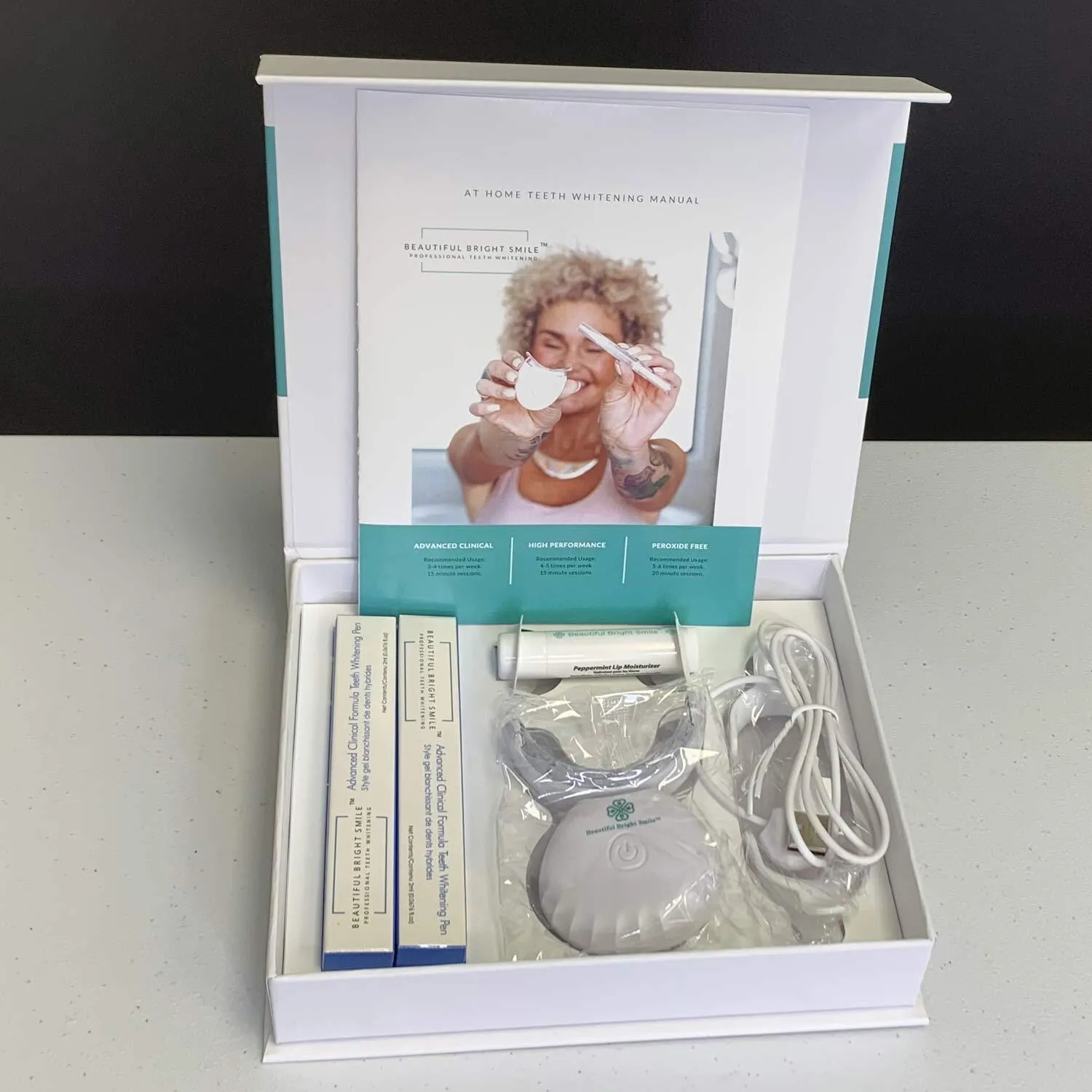
Understanding Teeth Whitening Lights
A bright white smile is a universally recognized sign of health, vitality, and confidence. Achieving this desirable aesthetic has led to a surge in popularity of teeth whitening treatments, with teeth whitening lights playing a significant role. These lights are designed to accelerate the whitening process, often used in conjunction with whitening gels. Understanding how these lights work, the different types available, and how to choose the right one is crucial for anyone seeking a brighter smile. This article aims to provide a comprehensive guide, ensuring you’re well-informed before embarking on your teeth whitening journey. We will delve into the science behind these lights, explore the various options, and discuss the factors to consider for optimal results and safety. The goal is to empower you with the knowledge needed to achieve a radiant, confident smile.
How Teeth Whitening Lights Work
Teeth whitening lights work by enhancing the effectiveness of the whitening agents applied to the teeth. Typically, these agents contain hydrogen peroxide or carbamide peroxide, which break down stains and discoloration. The light emits specific wavelengths of light that activate the whitening agent, accelerating the oxidation process. This process breaks down the stain molecules on your teeth more rapidly, leading to a faster and more pronounced whitening effect. The intensity and type of light used can vary, influencing the speed and effectiveness of the whitening. It’s important to note that the light itself doesn’t whiten the teeth; it merely acts as a catalyst to speed up the chemical reaction caused by the whitening gel. Understanding this fundamental process is key to appreciating the role of teeth whitening lights in achieving a brighter smile.
The Science Behind the Light

The science behind teeth whitening lights is rooted in photochemistry. The light emitted, whether it’s LED, laser, or UV, interacts with the whitening agent and the stain molecules on your teeth. The light’s energy excites the peroxide molecules, causing them to release oxygen radicals. These radicals then break down the complex stain molecules into smaller, less visible components. Different wavelengths of light have varying levels of effectiveness in this process. For example, blue light is often used because it has been shown to be effective in activating the whitening agent. However, the effectiveness also depends on the concentration of the whitening agent and the duration of the treatment. The overall goal is to use light to speed up the chemical reaction, resulting in a faster and more efficient whitening process. Always consider the type of light and its interaction with the whitening gel for the best outcomes.
Different Types of Teeth Whitening Lights
There are several types of teeth whitening lights available, each utilizing different technologies to enhance the whitening process. The most common types include LED (Light Emitting Diode), laser, and UV (Ultraviolet) lights. Each of these technologies has its own set of advantages and disadvantages, including factors like cost, effectiveness, and safety. Understanding the differences between these light types will help you make an informed decision about which is best for you. Some systems may use a combination of technologies to optimize the whitening process. The choice of light type often depends on personal preferences, budget, and the desired speed of whitening. Always consult with a dental professional to determine the best option for your specific needs.
LED vs. Laser vs. UV Lights
LED lights are generally considered safe and are commonly used in both professional and at-home whitening kits. They emit a specific wavelength of blue light, which is effective at activating the whitening agent. Laser teeth whitening is often performed in a dental office and can provide faster results. Lasers offer a more focused and intense light, leading to a quicker whitening process. UV lights, while once common, are less frequently used due to potential safety concerns. UV light can emit harmful radiation that can cause damage. The choice between these light types often depends on the desired outcome and the level of professional supervision. Both LED and laser systems require using a whitening gel. It is crucial to consider the safety and efficacy of each type when selecting a teeth whitening method.
Choosing the Right Teeth Whitening Light

Choosing the right teeth whitening light involves considering several factors to ensure both effectiveness and safety. The first step is consulting with your dentist, who can assess your oral health and recommend a suitable whitening approach. Home kits offer convenience, but professional treatments may provide more significant results. Consider the type of light used, such as LED or laser, and its potential impact on your teeth and gums. The concentration of the whitening agent and the duration of the treatment also affect the outcome. Always follow the manufacturer’s instructions and take any precautions to minimize potential sensitivity. By carefully considering these factors and seeking professional guidance, you can choose a teeth whitening light that aligns with your needs and helps you achieve your desired bright white smile.
Factors to Consider Before Buying
Before purchasing a teeth whitening light, several factors need careful consideration. Research the brand and read reviews to gauge its reputation and customer satisfaction. Understand the type of light used, such as LED or laser, and its potential impact on your teeth and gums. Always check the light’s safety certifications to ensure it meets quality standards. Consider the concentration of the whitening agent and the recommended treatment duration. If using a home kit, ensure the light is compatible with your chosen whitening gel. Evaluate the overall cost, including the initial purchase price and any ongoing costs for replacement gels or accessories. By evaluating these factors, you can make an informed decision and select a teeth whitening light that is both effective and safe for your needs.
Light Intensity and Wavelength
The intensity and wavelength of the light emitted by a teeth whitening device significantly impact the effectiveness of the treatment. The intensity, measured in milliwatts per square centimeter (mW/cm²), influences how quickly the whitening agent is activated and the speed of the reaction. Higher intensity generally leads to faster results, but it may also increase the risk of sensitivity. The wavelength, measured in nanometers (nm), determines the specific type of light used. Blue light, around 400-470 nm, is commonly employed because it is known to effectively activate the whitening agent. However, other wavelengths may also be used, depending on the technology. Carefully consider the intensity and wavelength of a teeth whitening light to balance effectiveness with safety and comfort. Professional guidance can help you choose a light that meets your needs.
The Benefits of a Bright White Smile
A bright white smile offers a range of benefits extending beyond aesthetics. It can significantly boost self-confidence, helping you feel more comfortable and assured in social and professional situations. A brighter smile often conveys a sense of youthfulness, health, and vitality. Beyond the cosmetic advantages, a commitment to teeth whitening can also encourage better oral hygiene habits. When you invest in improving your smile, you’re more likely to take care of your teeth. This, in turn, can lead to better oral health and prevent problems like cavities and gum disease. A bright, white smile can truly make a difference, both in how you look and how you feel about yourself.
Boosting Your Confidence
A bright, white smile can significantly boost your confidence levels. When you feel good about your teeth, you’re more likely to smile openly and frequently. This can have a positive effect on your social interactions and overall self-esteem. A confident smile can make you feel more comfortable and assured in social situations, and it can also positively impact your professional life. A brighter smile can make you feel more approachable, friendly, and confident in interviews, presentations, and other professional settings. Investing in your smile is an investment in yourself, and the increased confidence can influence your behavior, interactions, and overall success.
Improving Oral Health
Teeth whitening can indirectly improve oral health by encouraging a commitment to better dental care. When you invest in whitening your teeth, you are more likely to adopt and maintain good oral hygiene practices. These practices include regular brushing and flossing, which help to remove plaque and prevent cavities and gum disease. Routine dental check-ups and professional cleanings also become more essential to maintaining a bright, healthy smile. Furthermore, a whiter smile can motivate you to avoid habits like smoking and excessive consumption of staining foods and drinks. Ultimately, the pursuit of a brighter smile can lead to a healthier mouth and an improved overall quality of life.
Maintaining Your Bright White Smile

Maintaining a bright white smile requires consistent care and attention to oral hygiene. Regular brushing, flossing, and dental check-ups are essential for removing plaque, preventing stains, and ensuring overall oral health. Avoid or limit foods and beverages that stain teeth, such as coffee, tea, red wine, and berries. Consider using a whitening toothpaste or mouthwash as part of your daily routine. Regular touch-up treatments, as recommended by your dentist, can also help to maintain your bright, white smile. By adopting these practices, you can prolong the effects of your teeth whitening treatment and enjoy a radiant smile for years to come. This also involves making informed dietary choices and considering professional maintenance.
Proper Oral Hygiene
Proper oral hygiene is fundamental to maintaining a bright white smile and overall dental health. Brush your teeth at least twice a day, for two minutes each time, using fluoride toothpaste. Floss daily to remove plaque and food particles from between your teeth, where your toothbrush cannot reach. Using an antimicrobial mouthwash can further reduce bacteria in your mouth and freshen your breath. Regular dental check-ups and professional cleanings are also crucial for removing plaque and tartar buildup, which can lead to stains and other dental problems. Make sure to replace your toothbrush every three months. By following these practices, you can keep your teeth and gums healthy and promote a lasting bright smile.
Dietary Considerations
Dietary choices significantly impact the color of your teeth. Certain foods and beverages are notorious for causing stains and discoloration. Coffee, tea, red wine, dark sodas, and berries contain pigments that can adhere to tooth enamel. To maintain a bright white smile, it’s advisable to limit the consumption of these staining agents. If you consume these items, consider rinsing your mouth with water immediately afterward to help prevent staining. Consuming foods rich in calcium, like dairy products, can help strengthen your enamel and make your teeth less susceptible to stains. Following a balanced diet that prioritizes oral health is key to preserving your bright smile.
Regular Dental Check-ups

Regular dental check-ups are crucial for maintaining a bright white smile and ensuring overall oral health. During your check-ups, your dentist will examine your teeth and gums for any signs of problems like cavities, gum disease, or other issues. Professional cleanings remove plaque and tartar buildup, which can cause stains and discoloration. Your dentist can also provide professional whitening treatments or recommend appropriate at-home options. Regular check-ups allow your dentist to monitor the effectiveness of any whitening treatments and provide guidance on maintaining your bright smile. Aim for check-ups at least twice a year to proactively manage your oral health and preserve your radiant smile.