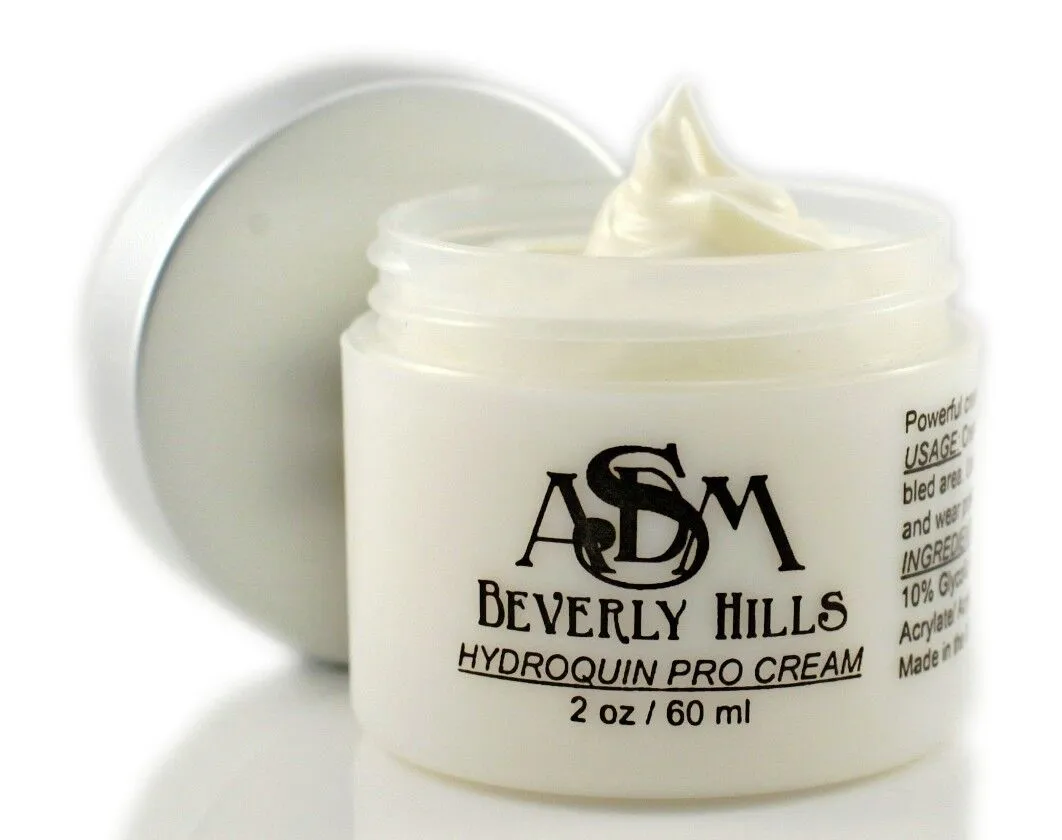
Understanding Hydroquinone for Skin Whitening
Skin whitening creams are a popular option for those looking to address hyperpigmentation, dark spots, and uneven skin tone. Among the many ingredients used in these creams, hydroquinone stands out as a powerful and effective agent. However, it is essential to approach the use of hydroquinone with knowledge and care. This comprehensive guide will help you understand how to choose the right skin whitening cream containing hydroquinone, use it safely, and explore alternative options.
What is Hydroquinone and How Does It Work?
Hydroquinone is a topical skin-lightening agent that works by decreasing the number of melanocytes (cells that produce melanin) in your skin. Melanin is responsible for giving your skin its color, and excessive production can lead to dark spots, age spots, and melasma. Hydroquinone inhibits the enzyme tyrosinase, which is essential for melanin production. By doing so, it reduces the amount of melanin in the skin, leading to a lighter complexion and a more even skin tone. It is widely used to treat conditions where there is excessive melanin.
The Science Behind Hydroquinone

The science behind hydroquinone involves its mechanism of action at the cellular level. Hydroquinone is a derivative of benzene, and its ability to lighten skin is attributed to its ability to interfere with melanin synthesis. It does so by inhibiting tyrosinase, an enzyme that catalyzes the production of melanin from tyrosine. This inhibition reduces the formation of melanin, leading to a lightening effect. The effectiveness of hydroquinone is well-documented, and it has been a go-to ingredient in dermatology for decades, offering a reliable option for skin lightening treatments. However, it’s crucial to follow the guidance of a dermatologist to ensure safe and effective use. The effect is noticeable after a few weeks of use. The process continues for months.
Who Can Benefit From Hydroquinone Creams?
Hydroquinone creams are suitable for individuals with various skin conditions caused by excessive melanin production. This includes those dealing with hyperpigmentation, melasma (dark patches, often on the face), post-inflammatory hyperpigmentation (PIH) caused by acne or injuries, and age spots. However, hydroquinone is not a solution for everyone. People with sensitive skin or certain underlying conditions should exercise caution and consult a dermatologist before use. Understanding your skin type is crucial to determine whether hydroquinone is the right choice for your specific needs. The cream can work on different parts of the body.
Identifying Your Skin Type
Before using hydroquinone, it’s crucial to identify your skin type. Different skin types (oily, dry, combination, sensitive) react differently to active ingredients. For example, those with sensitive skin might experience irritation more easily. If you are unsure of your skin type, consider consulting a dermatologist. This will help determine if hydroquinone is suitable for your skin. When you know your skin type, you can choose products with appropriate formulations. Products that suit your skin type can help mitigate potential side effects. Always perform a patch test before widespread use.
Reasons to Consult a Dermatologist

Consulting a dermatologist before using hydroquinone is highly recommended. A dermatologist can assess your skin condition, determine the underlying cause of your hyperpigmentation, and advise on the appropriate concentration of hydroquinone. They can also monitor your skin’s response to the treatment and address any potential side effects. Professional guidance helps to ensure that hydroquinone is used safely and effectively. In some cases, your dermatologist may recommend other treatments in conjunction with hydroquinone to enhance its effects. They can also provide a customized skincare regimen. They will evaluate the severity of your skin condition and its root causes.
Choosing the Right Hydroquinone Cream
Selecting the right hydroquinone cream involves considering several factors. The concentration of hydroquinone, the presence of other active ingredients, and the formulation (cream, gel, lotion) all play a role in its effectiveness. Also, the formulation should be appropriate for your skin type. Always make sure that the product is from a reputable brand. Check the product labels for the active ingredients. Understanding these aspects will help you make an informed decision and maximize the benefits of the treatment while minimizing potential risks.
Hydroquinone Concentration Guide
Hydroquinone creams are available in various concentrations, typically ranging from 2% to 4% for over-the-counter products, and higher concentrations may be available by prescription. The appropriate concentration depends on the severity of your hyperpigmentation and your skin’s sensitivity. Higher concentrations tend to be more potent but also carry a greater risk of side effects. It’s crucial to start with a lower concentration and gradually increase it, if necessary, under the guidance of a dermatologist. Always follow the product label instructions. The recommended concentration will depend on your specific needs.
Over-the-Counter vs. Prescription Creams

Over-the-counter hydroquinone creams typically contain 2% hydroquinone, making them accessible without a prescription. These products are suitable for milder cases of hyperpigmentation or as a maintenance treatment. Prescription-strength hydroquinone creams, which can contain up to 4% hydroquinone or even higher, are generally prescribed by a dermatologist for more severe cases. Prescription creams may also contain additional ingredients, such as tretinoin or corticosteroids, to enhance their effectiveness. The choice between an over-the-counter and prescription cream will depend on the severity of the skin condition.
Key Ingredients to Look For
When choosing a hydroquinone cream, look for additional ingredients that can boost its efficacy and provide added benefits. Tretinoin, a retinoid, can enhance hydroquinone’s lightening effects and promote skin cell turnover. Vitamin C is another excellent ingredient, as it is a potent antioxidant that can protect the skin from further damage and promote collagen production. Consider also creams containing ingredients like glycolic acid, which can help exfoliate the skin. Always check the ingredient list for any potential allergens or irritants. Certain combinations can improve results.
Factors to Consider
Several factors should be considered when selecting a hydroquinone cream. Your skin type, the severity of your hyperpigmentation, and any other active ingredients in the product all play a crucial role. Additionally, consider the formulation (cream, gel, or lotion), which affects how the product is absorbed and how well it works for your skin. Read reviews and consult with a dermatologist to determine the best options. Always prioritize your skin’s needs and sensitivity. Take into account all the factors for optimal results. The cream’s price can be a factor too.
Skin Sensitivity and Allergies

If you have sensitive skin or a history of allergies, it is especially important to perform a patch test before using hydroquinone. Apply a small amount of the cream to a small area of your skin, such as behind your ear or on your inner arm, and wait for a few days to see if any reaction occurs. If you experience redness, itching, swelling, or any other signs of irritation, discontinue use immediately. Look for hypoallergenic and fragrance-free products. Those with allergies should always consult a dermatologist. It’s always better to be safe than sorry.
Potential Side Effects
Hydroquinone can cause several side effects, including skin irritation, redness, dryness, and itching. More severe side effects, such as ochronosis (a bluish-black discoloration of the skin), are rare but possible. Always monitor your skin closely for any adverse reactions and consult with a dermatologist if you experience any concerning symptoms. Using hydroquinone for an extended period can also increase the risk of side effects. Always use it as directed. Prolonged use can increase the risk.
How to Use Hydroquinone Cream Safely
Using hydroquinone safely is essential to minimize potential risks and maximize its effectiveness. Proper application techniques, appropriate dosage, and the incorporation of sun protection are vital components of a safe and effective treatment. Following these guidelines will help you achieve the desired results while protecting your skin from harm. Always adhere to the directions on the product label. Be careful in your applications.
Application Techniques and Dosage
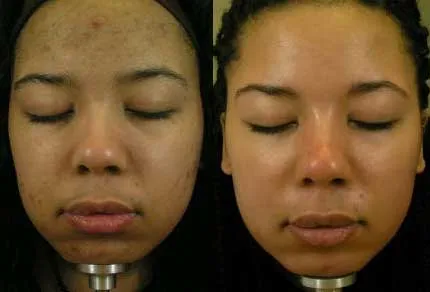
Apply a thin layer of hydroquinone cream to the affected areas of your skin, usually once or twice a day, as directed by your dermatologist or product instructions. Gently massage the cream into your skin until it is fully absorbed. Avoid applying the cream to healthy skin surrounding the affected areas. Washing your hands thoroughly before and after application is crucial. Be patient, as it may take several weeks or months to see noticeable results. Don’t use excessive amounts of the cream.
Combining with Other Skincare Products
Hydroquinone can often be combined with other skincare products to enhance its effects. However, it is important to introduce new products gradually and monitor your skin’s reaction. Using a gentle cleanser and a non-comedogenic moisturizer can help maintain skin health. Combining it with tretinoin or vitamin C serums can improve results. Always consult your dermatologist for advice on integrating other products into your skincare routine. Avoid combining hydroquinone with harsh exfoliants unless advised.
Sun Protection and Hydroquinone
Sun protection is critical when using hydroquinone. Hydroquinone makes your skin more sensitive to sunlight. Always apply a broad-spectrum sunscreen with an SPF of 30 or higher every morning, even on cloudy days. Reapply sunscreen every two hours, especially if you are spending time outdoors. Wearing protective clothing, such as hats and long sleeves, is also recommended. Sun protection prevents further damage and helps maintain results. Avoiding sun exposure is one of the most important steps.
Monitoring Your Skin’s Response

Regularly monitor your skin’s response to hydroquinone. Look for any signs of irritation, such as redness, itching, or dryness. If you experience any adverse reactions, discontinue use immediately and consult with your dermatologist. If you are not seeing any improvement after several weeks, consult your dermatologist. They may adjust the concentration or recommend alternative treatments. Keeping track of your skin’s progress is helpful.
Alternative Skin Whitening Options
While hydroquinone is a popular choice for skin whitening, various alternative options are available. These alternatives offer different mechanisms of action and may be suitable for those who cannot use hydroquinone or prefer a different approach. Exploring these alternatives can help you find the best solution for your unique needs. Natural ingredients and professional treatments are viable choices. Many people choose a combination of options.
Natural Skin Lightening Ingredients
Several natural ingredients are known for their skin-lightening properties. These include vitamin C, licorice extract, kojic acid, and niacinamide. Vitamin C is a powerful antioxidant that can help brighten the skin and protect it from damage. Licorice extract and kojic acid work by inhibiting melanin production. Niacinamide can improve skin tone and reduce hyperpigmentation. These ingredients are generally gentler than hydroquinone and can be a good option for sensitive skin. Before using any natural remedies, consult a dermatologist.
Professional Treatments
In addition to topical creams, various professional treatments can help address hyperpigmentation. Chemical peels use exfoliating acids to remove the outer layer of damaged skin, revealing a brighter complexion. Laser treatments target melanin directly and can be very effective. Microdermabrasion is another option, which uses a minimally abrasive instrument to gently sand your skin, removing the thicker, uneven outer layer. Consulting a dermatologist will help you choose the best treatment. These treatments can be very effective.
Maintaining Results and Long-Term Care
Maintaining the results of skin whitening treatments requires a consistent skincare routine and proactive measures to prevent future hyperpigmentation. This includes sun protection, the use of supportive skincare products, and regular follow-up appointments with your dermatologist. Consistent care and attention will help you achieve and maintain a more even skin tone. The post-treatment phase is important.
Post-Treatment Skincare Routine
After your skin whitening treatment, it’s crucial to establish a consistent skincare routine. This should include gentle cleansing, moisturizing, and, most importantly, sun protection. Use a gentle cleanser to avoid irritating the skin. Choose a non-comedogenic moisturizer to keep your skin hydrated. Apply sunscreen every day, regardless of the weather. Regular use of these products will help maintain the results and prevent future damage. Follow your dermatologist’s specific instructions.
Preventing Hyperpigmentation
Preventing hyperpigmentation requires a multifaceted approach. Sun protection is essential, as sun exposure can worsen existing dark spots and trigger new ones. Avoid picking or squeezing blemishes, as this can lead to post-inflammatory hyperpigmentation. Manage conditions such as acne to prevent the development of PIH. Using gentle skincare products and avoiding harsh treatments can also help. Consistently follow these steps to prevent hyperpigmentation.