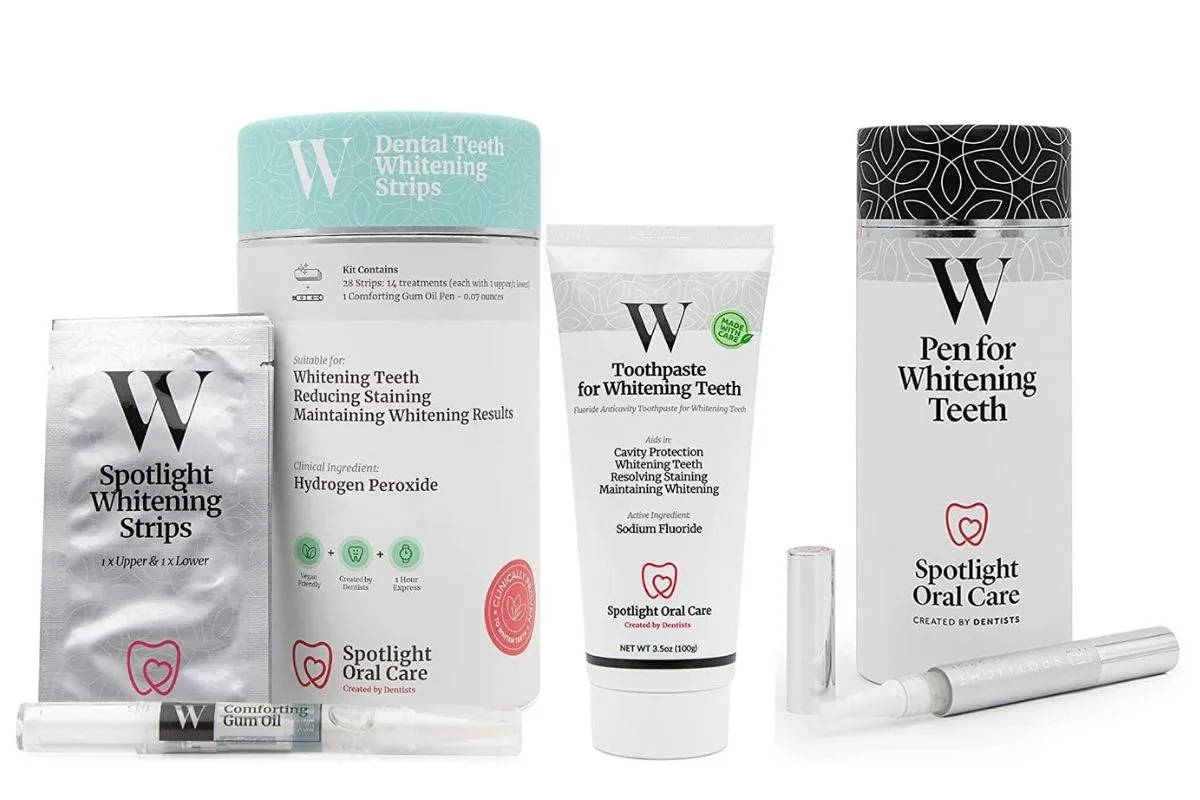
Achieving a brighter smile is a common goal, and teeth whitening strips have become a popular and accessible solution. But with so many options and varying recommendations, knowing how often to use whitening strips can be confusing. This comprehensive guide will provide you with all the information you need to understand how these strips work, how often to use them, and how to maximize their effectiveness while minimizing potential risks. Whether you’re new to whitening strips or looking to refine your routine, this article will help you achieve the radiant, confident smile you desire.
Understanding Whitening Strips and Their Use
Before diving into frequency, it’s crucial to understand what whitening strips are and how they work. This section will cover the basics of these popular teeth-whitening products and their mechanism of action, setting the foundation for a safe and effective whitening journey. Understanding the science behind whitening strips will help you make informed decisions about their use.
What are Whitening Strips
Whitening strips are thin, flexible strips coated with a peroxide-based whitening agent. These strips are designed to be applied directly to the teeth, adhering to the enamel surface. They are available over-the-counter and from dental professionals, offering varying concentrations of the active ingredient. The key component in most whitening strips is hydrogen peroxide or carbamide peroxide, which breaks down stains and discoloration within the tooth enamel.
How Do Whitening Strips Work

The whitening process begins when the peroxide agent in the strip comes into contact with the teeth. This agent penetrates the enamel and breaks down stain molecules. The process is known as oxidation, where the peroxide reacts with the organic components causing discoloration, breaking them into smaller, less noticeable particles. This results in the whitening effect, making your teeth appear brighter. The effectiveness of whitening strips can depend on the concentration of the active ingredient, the duration of application, and the individual’s teeth characteristics.
Factors Influencing Whitening Strip Frequency
The frequency with which you use whitening strips isn’t a one-size-fits-all recommendation. Several factors can influence how often you should apply the strips to achieve optimal results without harming your oral health. Considering these elements is critical to establishing a safe and effective whitening routine.
Tooth Sensitivity
Tooth sensitivity is a common side effect of teeth whitening, including the use of whitening strips. If you experience sensitivity, it is a sign that your teeth might be more susceptible to the whitening agent. People with sensitive teeth might need to reduce the frequency of use or choose strips with lower concentrations of peroxide. Using a desensitizing toothpaste a couple of weeks before and during the whitening process can also help to minimize sensitivity. It’s essential to listen to your body and adjust the frequency accordingly.
Enamel Health

The condition of your tooth enamel is a crucial factor. Healthy enamel is less porous and more resistant to the effects of whitening agents. If your enamel is thin, worn, or damaged, it can lead to increased sensitivity and potentially more significant risks. Individuals with pre-existing enamel issues might want to consult their dentist before using whitening strips to ensure they are a suitable option. Regular dental checkups and maintaining good oral hygiene practices are essential for overall enamel health.
Staining Habits
Your lifestyle and habits regarding staining foods and drinks significantly affect how often you might need to use whitening strips. Frequent consumption of coffee, tea, red wine, and other staining agents can lead to quicker discoloration of your teeth. Smokers and tobacco users often experience more pronounced staining. People with such habits might need to use whitening strips more frequently to maintain their desired level of brightness, but they should carefully monitor for any signs of sensitivity or enamel damage. Balancing whitening treatments with lifestyle adjustments is key to success.
Types of Whitening Strips
Whitening strips come in various forms, primarily differing in the concentration of the whitening agent and the source of the product. Understanding these variations will help you select the most appropriate product for your needs and how often you can use them.
Over the Counter Strips

Over-the-counter (OTC) whitening strips are readily available in pharmacies and supermarkets. They typically contain lower concentrations of hydrogen peroxide, making them a safer option for those new to teeth whitening. These strips are generally designed for daily use, with treatment courses lasting from several days to a few weeks. Always adhere to the manufacturer’s instructions regarding the frequency of use. However, it’s still possible to cause sensitivity or irritation if you overuse them, so start slowly and observe how your teeth respond.
Professional Whitening Strips
Professional whitening strips are available through dentists and usually contain a higher concentration of the whitening agent. Dentists can also offer customized trays for a better fit, ensuring better contact with the teeth. These strips are generally used less frequently than OTC strips, but the intensity of the treatment is much higher. Your dentist will provide specific instructions on how often to use professional whitening strips, which is tailored to your oral health needs. Always consult your dentist to determine the best option for your teeth and usage frequency.
Recommended Frequency Guidelines
Finding the right frequency is vital. The following are general guidelines; however, you should always consult the product’s instructions and your dentist’s advice.
General Recommendations

For most over-the-counter whitening strips, the typical recommendation is to use them once or twice daily for a specific duration, often 14 days. It’s crucial to follow the manufacturer’s instructions carefully and avoid exceeding the recommended usage. If you have sensitive teeth or experience any discomfort, reduce the frequency or discontinue use. With professional whitening strips, the frequency is determined by your dentist and is usually less frequent due to the higher concentration of the whitening agent. They will create a personalized plan based on your oral health and goals.
Specific Usage Instructions
Before starting any whitening treatment, consult the product’s instructions. Generally, the process involves applying the strips to your teeth, ensuring they cover the front surfaces of your teeth, and leaving them on for the recommended time (typically 30 minutes). After removing the strips, rinse your mouth and avoid eating or drinking anything other than water for a while. Follow these instructions meticulously to achieve the best results and minimize potential risks.
Maximizing Results and Minimizing Risks
Using whitening strips safely and effectively involves a few key practices. These practices ensure that you get the best results while protecting your oral health.
Proper Application Technique

Correct application is critical for maximizing the effectiveness of the whitening strips. Before applying, brush and floss your teeth to remove any surface debris. Apply the strips to your teeth, pressing them firmly against the front surfaces. Ensure that the strips make full contact with your teeth, especially the areas most visible when you smile. Avoid touching your gums as much as possible, as this can lead to irritation. Following the correct application technique will ensure that the whitening agent works evenly and effectively.
Post-Treatment Care
After removing the whitening strips, it’s essential to practice some post-treatment care. Rinse your mouth with water to remove any residual whitening agent. Avoid eating or drinking anything, especially staining foods and beverages, for at least an hour after treatment. Continue practicing good oral hygiene, including brushing and flossing regularly. If you experience sensitivity, use a desensitizing toothpaste. Proper post-treatment care will contribute to the long-term success of the whitening process and help to maintain a brighter smile.
Potential Side Effects and Solutions
While whitening strips are generally safe, side effects can occur. Knowing how to manage these potential issues will ensure a better experience.
Sensitivity Management

If you experience tooth sensitivity, there are steps you can take to manage it. Use a desensitizing toothpaste that contains ingredients like potassium nitrate. Reduce the frequency of your whitening treatments. Consider using fluoride products, as fluoride can help to strengthen tooth enamel. If sensitivity persists or worsens, consult your dentist. They can recommend further treatments or adjust your whitening plan to alleviate the issue.
Gum Irritation
Gum irritation is another potential side effect. It can occur if the whitening agent comes into contact with your gums. To prevent this, apply the strips carefully, ensuring they do not overlap your gums. If you experience irritation, stop using the strips and consult your dentist. They may suggest a different product or technique. Rinse your mouth with water after using the strips, as this can help to prevent irritation. Applying a small amount of Vitamin E oil can soothe irritated gums, but always check with your dentist before using any remedies.
Maintenance and Long-Term Whitening
Maintaining your newly whitened smile requires a long-term approach. This involves regular dental care and making adjustments to your daily lifestyle.
Regular Dental Check-ups
Regular dental check-ups and cleanings are essential for maintaining your bright smile and oral health. Your dentist can monitor your teeth and gums for any potential issues and recommend any necessary treatments. Professional cleanings remove surface stains and plaque. Regular dental check-ups also allow your dentist to address any sensitivity or other problems that may occur due to whitening treatments. Following your dentist’s recommendations for check-ups is essential.
Lifestyle Adjustments
Certain lifestyle adjustments can help to prolong the effects of your teeth whitening treatments. Reduce your consumption of staining foods and beverages, such as coffee, tea, red wine, and berries. If you consume these, brush your teeth or rinse your mouth with water afterward. Quit smoking or reduce your tobacco use, as tobacco products contribute significantly to tooth discoloration. Maintaining a balanced diet and practicing good oral hygiene will help to maintain your bright smile.
Whitening strips are a useful tool for achieving a brighter smile, but using them correctly is key. Understanding how they work, the factors influencing frequency, and how to handle potential side effects are all important. By following the guidelines provided and consulting with your dentist, you can confidently use whitening strips, enjoy a brighter smile, and maintain optimal oral health.