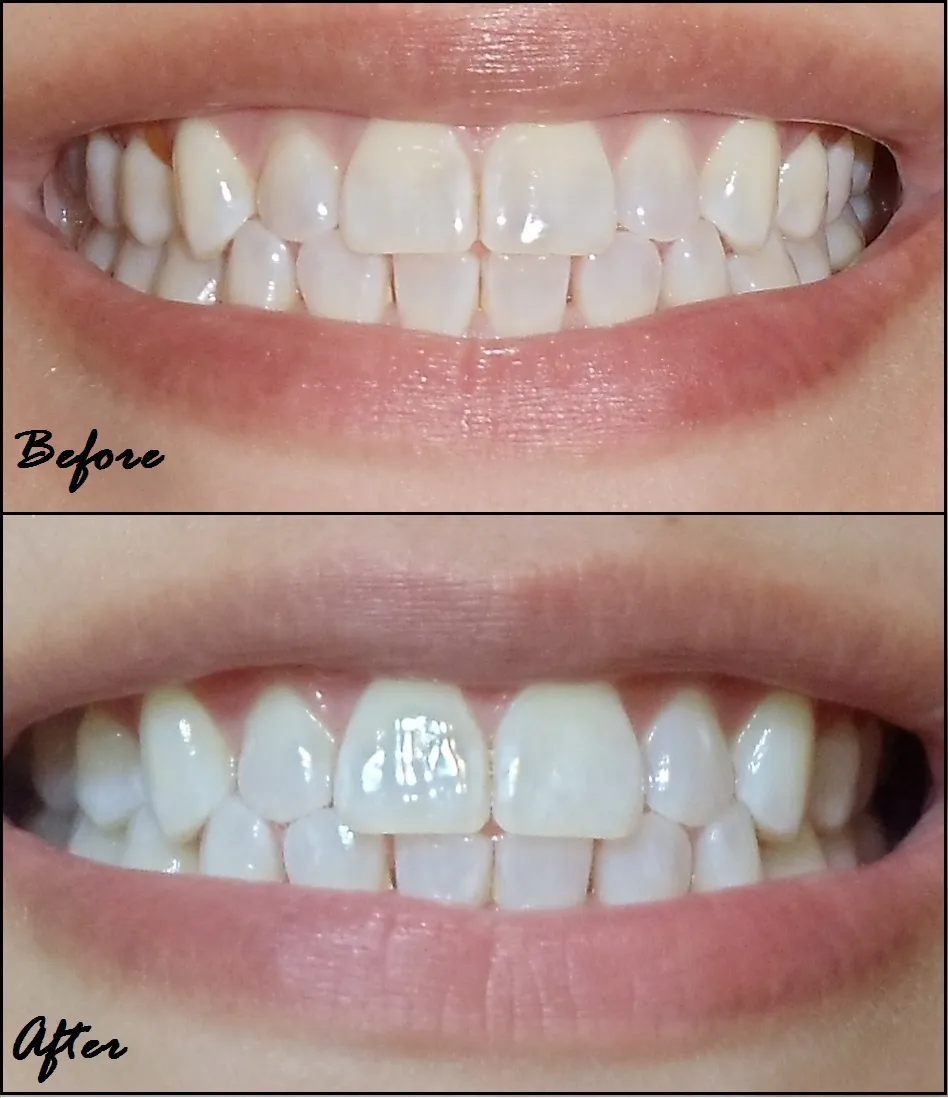
Understanding Crest Whitening Strips
Crest Whitening Strips have become a popular at-home solution for achieving a brighter smile, offering a convenient alternative to professional teeth whitening treatments. These strips are designed to be easy to use and provide noticeable results within a few weeks. But how do they actually work? This article will delve into the science behind Crest Whitening Strips, explaining the key ingredients, the process, and how you can maximize their effectiveness. Understanding the mechanics of these strips will empower you to make informed decisions about your teeth whitening journey and achieve the dazzling smile you desire.
The Science Behind Teeth Whitening
The foundation of teeth whitening lies in the chemical reaction that breaks down the stains and discoloration on your teeth. These stains are typically caused by the build-up of organic molecules from foods, drinks, and other substances. The goal of teeth whitening is to oxidize these molecules, effectively lightening their color and reducing their visibility. This oxidation process is the core function of the active ingredients found in Crest Whitening Strips. Let’s explore the science behind the process, the key player, and what makes it all work.
How Hydrogen Peroxide Works

Hydrogen peroxide is the primary active ingredient in most Crest Whitening Strips. It acts as an oxidizing agent. When hydrogen peroxide comes into contact with the stained molecules within the enamel and dentin of your teeth, it initiates a chemical reaction. This reaction breaks down the bonds of the stain molecules, causing them to become less concentrated and, therefore, less visible. The concentration of hydrogen peroxide varies between different Crest Whitening Strip products, with higher concentrations often leading to faster results, but also potentially increasing the risk of sensitivity. Understanding the process of how hydrogen peroxide works is key to understanding how Crest Whitening Strips work to brighten your smile.
How Crest Whitening Strips Deliver Results
Crest Whitening Strips are specifically designed to deliver hydrogen peroxide directly to the surface of your teeth in a controlled and effective manner. The design, the concentration of the active ingredient, and your adherence to the directions all play important roles in the final results. These strips provide a convenient and accessible way to enhance your smile from the comfort of your own home. Let’s take a deeper dive into how the strips function.
The Active Ingredient Hydrogen Peroxide
As discussed earlier, hydrogen peroxide is the star of the show when it comes to Crest Whitening Strips. The concentration of hydrogen peroxide is carefully calibrated to strike a balance between effectiveness and safety. Higher concentrations can yield quicker whitening results, but may also increase the risk of tooth sensitivity or gum irritation. Crest offers a range of strips with varying concentrations to cater to different needs and sensitivities. The concentration level is a significant factor in how effectively the strips will work for you.
The Role of the Strip’s Design

The design of the Crest Whitening Strip is as crucial as the active ingredient itself. The strips are made of a flexible, thin material coated with a layer of hydrogen peroxide gel. They are designed to adhere closely to the surface of your teeth, ensuring maximum contact between the whitening agent and the enamel. The design also helps to prevent the gel from being washed away by saliva, allowing for optimal whitening action. The form-fitting nature of the strips is key to delivering the hydrogen peroxide effectively.
The Importance of Adherence
Following the instructions provided with your Crest Whitening Strips is essential for achieving the desired results. This includes the recommended duration of use, the frequency of application, and any other specific guidelines provided. Adhering to the instructions ensures that the hydrogen peroxide has enough contact time with your teeth to effectively break down the stains. Consistency is key: skipping applications or not leaving the strips on for the recommended time can diminish the effectiveness of the whitening process. Following the instructions can also minimize any potential side effects like sensitivity.
The Whitening Process Step-by-Step
Using Crest Whitening Strips is a straightforward process, but following the correct steps will ensure optimal results. Here’s a step-by-step guide to help you achieve a brighter, whiter smile. From preparation to aftercare, each step contributes to the final outcome.
Preparing Your Teeth

Before applying the strips, it’s a good idea to brush your teeth gently. However, it’s best to do this about 30 minutes before applying the strips, as brushing immediately before can sometimes interfere with the adhesion of the strips. Make sure your teeth are dry before applying the strips to help them adhere better. Avoid any abrasive toothpastes before use to ensure that the enamel surface is smooth and ready for the whitening agent.
Applying the Strips
Carefully peel the strips from their backing. Apply the gel-coated side to your teeth, aligning them with your gumline. Gently press the strips to ensure good contact, and fold any excess strip material behind your teeth. Ensure the strips cover the majority of the visible surface of your teeth for maximum whitening. Make sure to handle the strips with clean hands to avoid contamination and ensure the best adhesion. Proper application is paramount to maximizing the effectiveness of the whitening process.
The Waiting Period
Leave the strips on for the recommended time, as indicated on the product packaging. This time varies depending on the specific product, but it’s usually between 30 minutes to an hour. During this time, the hydrogen peroxide is actively working to break down stains. Avoid eating, drinking, or smoking during the waiting period, as these can reduce the effectiveness of the strips. Also, try to avoid excessive saliva production, as it can affect adhesion.
After Removal

After the recommended time, carefully remove the strips and discard them. Rinse your mouth with water to remove any remaining gel. Avoid swallowing any of the gel. It’s important to be gentle when removing the strips, especially if you have sensitive teeth or gums. If you experience any discomfort or irritation, consult the instructions or, if necessary, a dentist. After removal, avoid food and drinks that can stain your teeth for at least an hour, to allow the enamel pores to close and reduce the risk of staining.
Factors Influencing Whitening Effectiveness
While Crest Whitening Strips are effective, several factors can influence how well they work. Understanding these factors can help you set realistic expectations and adjust your approach for optimal results. The intensity of stains, consistency of usage, and other oral hygiene habits all impact the final outcome. These factors also determine how quickly you will see results, and how long those results will last.
Severity of Stains
The type and severity of stains on your teeth significantly impact the whitening effectiveness. Surface stains caused by coffee, tea, and red wine are typically easier to remove than deeper stains or stains caused by medications or dental conditions. More pronounced stains may require longer treatment durations or multiple courses of treatment to achieve the desired results. It is important to have realistic expectations based on the origin and intensity of the stains.
Consistency of Use

Consistency is key to achieving and maintaining a whiter smile. Following the recommended treatment schedule, as specified on the product packaging, is essential. Skipping applications or not completing the full course of treatment can reduce the effectiveness of the whitening process. Regular use allows the hydrogen peroxide to continuously work on the stains. For best results, use the strips as directed to help maintain the whiteness of your teeth.
Sensitivity and Side Effects
While Crest Whitening Strips are generally safe and effective, some users may experience side effects. These side effects are typically temporary and manageable, but it’s important to be aware of them. Understanding the potential side effects and how to manage them will help you to ensure a comfortable and positive experience with the strips.
Potential Side Effects
The most common side effects of Crest Whitening Strips include tooth sensitivity and mild gum irritation. Sensitivity can manifest as a sharp, temporary pain when consuming hot or cold foods and drinks. Gum irritation can appear as redness or soreness along the gumline. These side effects are usually mild and temporary, but if they persist or worsen, it’s advisable to consult your dentist. Allergic reactions are rare but possible, so it is crucial to stop using the product if you experience any unusual symptoms.
Managing Sensitivity

If you experience tooth sensitivity, there are several strategies to manage it. Using a toothpaste designed for sensitive teeth before and after whitening can help reduce discomfort. Taking breaks between whitening treatments can also allow your teeth to recover. Using the strips for shorter durations or less frequently may also minimize sensitivity. If sensitivity persists or is severe, consult your dentist for further advice.
Maximizing Results
To achieve the best possible results with Crest Whitening Strips, it is important to adopt certain best practices. These tips will not only enhance the whitening effect but also help to protect your oral health. Incorporating these strategies into your routine can significantly contribute to the overall success of your teeth whitening efforts.
Best Practices for Optimal Whitening
For optimal results, it is important to prepare your teeth by gently brushing before each application, but remember to wait about 30 minutes before placing the strips. Avoid staining foods and drinks, such as coffee, tea, and red wine, during the whitening process. Follow the instructions carefully and be consistent with your treatments. Avoid smoking or using tobacco products, as they can diminish the whitening effects and stain your teeth. Moreover, consider combining the whitening strips with other whitening products for greater effect.
Maintaining Your White Smile

Maintaining a white smile requires consistent care and attention. After completing your whitening treatment, brush and floss regularly to remove plaque and prevent stains. Avoid or limit consumption of staining foods and drinks, and consider using a whitening toothpaste or mouthwash to help maintain your results. Regular dental check-ups and professional cleanings can also contribute to a healthy and bright smile. A consistent oral hygiene routine, along with periodic touch-ups, can help you enjoy your white smile for a long time.