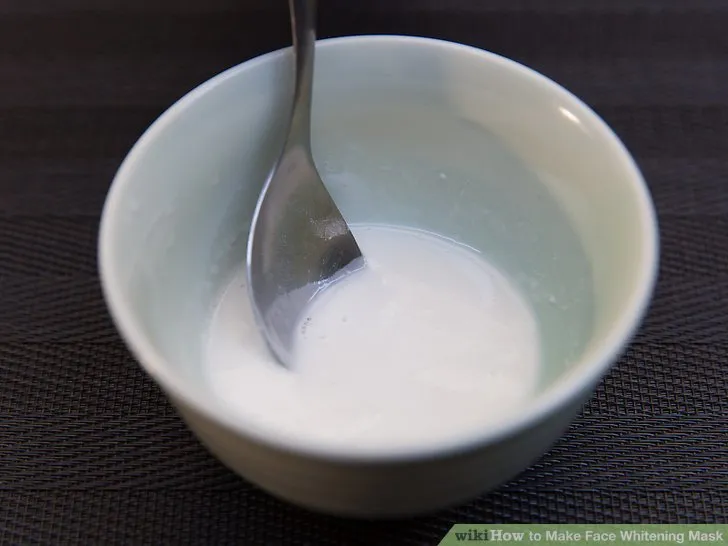
The Science Behind Face Whitening Masks
Understanding the science behind face whitening masks is crucial to appreciating their potential and limitations. Skin whitening, at its core, aims to reduce the appearance of hyperpigmentation, which refers to the darkening of areas of skin caused by an excess of melanin. Melanin is the pigment responsible for giving skin its color, and its production is triggered by various factors, including sun exposure, inflammation, hormonal changes, and aging. Face whitening masks often work by targeting these factors, either by inhibiting melanin production, exfoliating the skin to remove existing pigmented cells, or by providing antioxidants to combat damage that can lead to uneven skin tone. The effectiveness of a mask often hinges on the specific ingredients used, their concentrations, and how they interact with the skin. Some ingredients are known for their ability to penetrate the skin and influence melanin production at a cellular level, while others offer surface-level benefits like gentle exfoliation and brightening.
Understanding Hyperpigmentation
Hyperpigmentation manifests in various forms, including dark spots, age spots, melasma, and post-inflammatory hyperpigmentation (PIH). Dark spots and age spots, often appearing on areas frequently exposed to the sun, are a direct result of sun damage causing increased melanin production. Melasma, characterized by patchy, symmetrical brown or gray-brown discoloration, is often triggered by hormonal changes, such as pregnancy or the use of birth control pills. Post-inflammatory hyperpigmentation occurs when the skin darkens after inflammation or injury, such as acne breakouts, eczema, or burns. Recognizing the type of hyperpigmentation you have can help determine the most appropriate ingredients and methods for treatment. For instance, ingredients that inhibit melanin production are often effective for sunspots and melasma, while gentle exfoliation may be helpful for PIH.
Common Causes of Uneven Skin Tone

Uneven skin tone can be attributed to a multitude of factors. The most prevalent is excessive sun exposure, which stimulates melanin production and leads to sunspots, premature aging, and uneven skin texture. Hormonal fluctuations, especially during pregnancy or menopause, can trigger melasma. Inflammation, whether from acne, eczema, or other skin conditions, can lead to post-inflammatory hyperpigmentation. Certain medications can also cause increased skin sensitivity to the sun or alter melanin production. Genetics also play a role, with some individuals naturally more prone to hyperpigmentation. Understanding these underlying causes is crucial in developing a holistic approach to address uneven skin tone. This may involve sun protection, managing inflammation, and addressing hormonal imbalances, in addition to using face whitening masks.
Ingredients to Avoid
While many ingredients are used in homemade face whitening masks for their potential benefits, it is equally important to be aware of those that could be harmful. Certain ingredients may cause irritation, allergic reactions, or even worsen hyperpigmentation. Harsh chemicals, such as hydroquinone (often found in some over-the-counter skin lightening products) can cause ochronosis, a condition that results in blue-black skin discoloration. Overuse of strong acids without proper sun protection can lead to increased sun sensitivity and further damage. It is also important to avoid ingredients that you are allergic to or that have been known to cause skin reactions. Always perform a patch test before applying a new mask to a larger area of your face. When in doubt, it’s always best to consult with a dermatologist to get personalized advice.
Top 5 Homemade Face Whitening Mask Recipes
Recipe 1 Yogurt and Honey Mask

This simple mask combines the gentle exfoliating properties of yogurt with the moisturizing and antibacterial benefits of honey. Yogurt contains lactic acid, a natural alpha-hydroxy acid (AHA) that helps to exfoliate dead skin cells, revealing brighter, smoother skin underneath. Honey is a natural humectant, meaning it attracts and retains moisture, keeping the skin hydrated and supple. It also possesses antibacterial and anti-inflammatory properties, which can help reduce redness and blemishes. This mask is gentle and suitable for most skin types, making it an excellent starting point for those new to homemade face masks. For the best results, use plain, unsweetened yogurt and raw honey, if available. This mask is gentle and can be used up to three times per week.
Ingredients and Preparation
To make this mask, you’ll need 1 tablespoon of plain yogurt and 1 teaspoon of honey. Mix the ingredients in a small bowl until well combined. Apply the mask evenly to your clean face, avoiding the eye area. Leave it on for 15-20 minutes, then rinse thoroughly with lukewarm water. Pat your face dry with a soft towel and apply a moisturizer. This is an easy to make and apply face mask.
Benefits for Skin Whitening
The lactic acid in yogurt gently exfoliates the skin, promoting cell turnover and revealing a brighter complexion. Honey’s moisturizing and antibacterial properties help to reduce inflammation and even out skin tone. Regular use of this mask can lead to a reduction in dark spots and improved overall skin radiance. This combination is suitable for most skin types, and it provides both exfoliation and moisturization. This also helps remove dead skin cells.
Recipe 2 Lemon and Turmeric Mask
This mask harnesses the brightening power of lemon juice and the anti-inflammatory benefits of turmeric. Lemon juice contains citric acid, another AHA that can exfoliate the skin and help lighten dark spots. Turmeric contains curcumin, a powerful antioxidant and anti-inflammatory compound that can help reduce redness and promote an even skin tone. However, because lemon juice can increase skin sensitivity to the sun, it is crucial to use this mask in the evening and always wear sunscreen during the day. This mask is best used cautiously and is not suitable for sensitive skin types. Always perform a patch test before applying to your entire face. This is an effective mask but requires caution.
Ingredients and Preparation
Mix 1 teaspoon of fresh lemon juice with 1/2 teaspoon of turmeric powder and 1 teaspoon of honey. Combine all ingredients until you get a paste-like consistency. Apply the mask to your clean face and let it sit for 10-15 minutes. Rinse thoroughly with lukewarm water and pat your face dry. Apply a moisturizer. Use this mask sparingly, no more than once a week, and always at night.
Benefits for Skin Whitening
Lemon juice helps to lighten dark spots and brighten the skin, while turmeric reduces inflammation and provides antioxidant protection. Honey adds moisturizing and antibacterial benefits. This mask can be effective for lightening hyperpigmentation, but be cautious due to lemon’s potential for sun sensitivity. This combination of ingredients can brighten the skin and help reduce dark spots.
Recipe 3 Oatmeal and Milk Mask
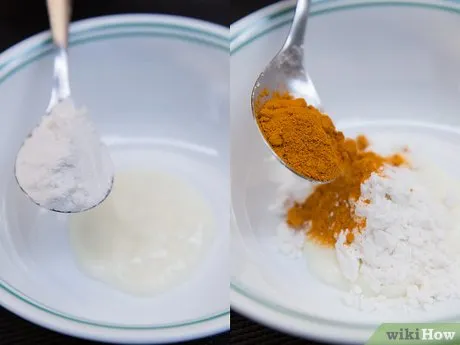
This mask provides gentle exfoliation and soothing hydration, making it ideal for sensitive skin. Oatmeal is known for its soothing properties, reducing inflammation and irritation. Milk contains lactic acid, which gently exfoliates the skin, and also offers moisturizing benefits. This mask is suitable for all skin types, particularly those with sensitive or irritated skin. This mask is easy to make and can be used up to three times per week.
Ingredients and Preparation
Combine 2 tablespoons of ground oatmeal with 2-3 tablespoons of milk (cow’s milk or plant-based milk). Mix well until you form a thick paste. Apply the mask evenly to your clean face. Leave it on for 15-20 minutes. Rinse thoroughly with lukewarm water and pat your face dry. Apply moisturizer. Make sure you use finely ground oats.
Benefits for Skin Whitening
Oatmeal gently exfoliates and soothes the skin, while milk’s lactic acid helps brighten the complexion. This mask provides hydration and can reduce redness and irritation, leading to a more even skin tone over time. This is a gentle approach to skin whitening that is suitable for sensitive skin. It provides exfoliation and moisturization at the same time.
Recipe 4 Aloe Vera and Cucumber Mask

This mask is incredibly hydrating and soothing, perfect for calming irritated skin and reducing inflammation. Aloe vera has anti-inflammatory and soothing properties, and it can also help to lighten dark spots. Cucumber is rich in antioxidants and vitamins, offering hydration and promoting a refreshed complexion. This mask is suitable for all skin types, especially those seeking hydration and relief from redness or irritation. This mask can be used up to three times per week.
Ingredients and Preparation
Blend 2 tablespoons of fresh aloe vera gel with 1/2 of a peeled cucumber. Mix all ingredients well. Apply the mask to your clean face. Leave it on for 15-20 minutes. Rinse thoroughly with lukewarm water and pat your face dry. Apply moisturizer. Make sure you remove any cucumber seeds to have a smooth mask.
Benefits for Skin Whitening
Aloe vera and cucumber provide hydration, soothe irritation, and reduce inflammation. Regular use can help brighten the skin and improve overall skin tone. This mask is perfect for those seeking hydration and relief from redness. This provides a cooling sensation that can be very soothing.
Recipe 5 Rice Flour and Rose Water Mask

This mask is a gentle exfoliator and skin brightener, drawing on traditional beauty practices. Rice flour is a mild exfoliant that can help remove dead skin cells and brighten the complexion. Rose water has anti-inflammatory properties and adds hydration. This mask is suitable for most skin types, particularly those looking for gentle exfoliation and brightening. This mask can be used up to twice per week.
Ingredients and Preparation
Mix 2 tablespoons of rice flour with enough rose water to form a smooth paste. Apply the mask to your clean face. Leave it on for 15-20 minutes or until dry. Rinse thoroughly with lukewarm water and pat your face dry. Apply a moisturizer. Make sure the paste is smooth, not grainy.
Benefits for Skin Whitening
Rice flour gently exfoliates, promoting cell turnover, and rose water provides hydration and soothing benefits. The combination can help brighten the skin and reduce the appearance of dark spots. This mask provides gentle exfoliation and is ideal for those with sensitive skin. The rice flour acts as a mild scrub and helps with skin brightening.
Tips for Effective Face Whitening

Consistency is Key
Achieving noticeable results with face whitening masks requires consistent use. It is crucial to establish a regular skincare routine that incorporates the chosen mask one or two times per week, depending on the ingredients and your skin’s sensitivity. Be patient, as it may take several weeks or months to see significant improvements in your skin tone. Avoid overusing any mask, especially those containing potentially harsh ingredients like lemon juice. Regularly assess your skin’s response and adjust the frequency of use as needed. Creating a routine and sticking to it can help you achieve the results you want. The best results are achieved with consistent application over a period of time.
Sun Protection is Essential
Sun protection is the cornerstone of any effective skin whitening strategy. Sun exposure triggers melanin production, which can worsen hyperpigmentation and counteract the effects of whitening masks. Therefore, it’s imperative to wear a broad-spectrum sunscreen with an SPF of 30 or higher every day, even on cloudy days. Reapply sunscreen every two hours, especially if you are outdoors or sweating. Additionally, seek shade during peak sun hours and wear protective clothing, such as hats and long sleeves. Sunscreen prevents the formation of new dark spots and prevents existing ones from getting darker. Using sunscreen protects the skin from damage and helps in achieving skin whitening goals. Without protection, the skin will continue to get damaged.
Patch Test Recommendations
Before applying any new face whitening mask to your entire face, always perform a patch test. Apply a small amount of the mask to a discreet area of your skin, such as behind your ear or on your inner arm. Wait 24-48 hours and observe for any signs of irritation, such as redness, itching, swelling, or burning. If no adverse reactions occur, it is generally safe to apply the mask to your face. This precaution helps to identify any potential allergic reactions or sensitivities to the ingredients in the mask. This step is essential for preventing unwanted skin reactions. Perform a patch test to ensure your skin does not react to the ingredients.
When to Seek Professional Advice
While homemade face whitening masks can be beneficial for some, it is essential to know when to seek professional advice. If you have persistent or severe hyperpigmentation, or if your skin does not improve with homemade remedies, consult with a dermatologist. A dermatologist can diagnose the underlying cause of your skin concerns and recommend more effective treatments, such as prescription creams, chemical peels, or laser therapy. If you experience any adverse reactions to a mask, such as severe redness, itching, or blistering, discontinue use immediately and seek medical attention. Always prioritize your skin’s health and consult with a professional if needed, because homemade remedies are not a replacement for proper medical advice. They can assess your skin and recommend the best approach.