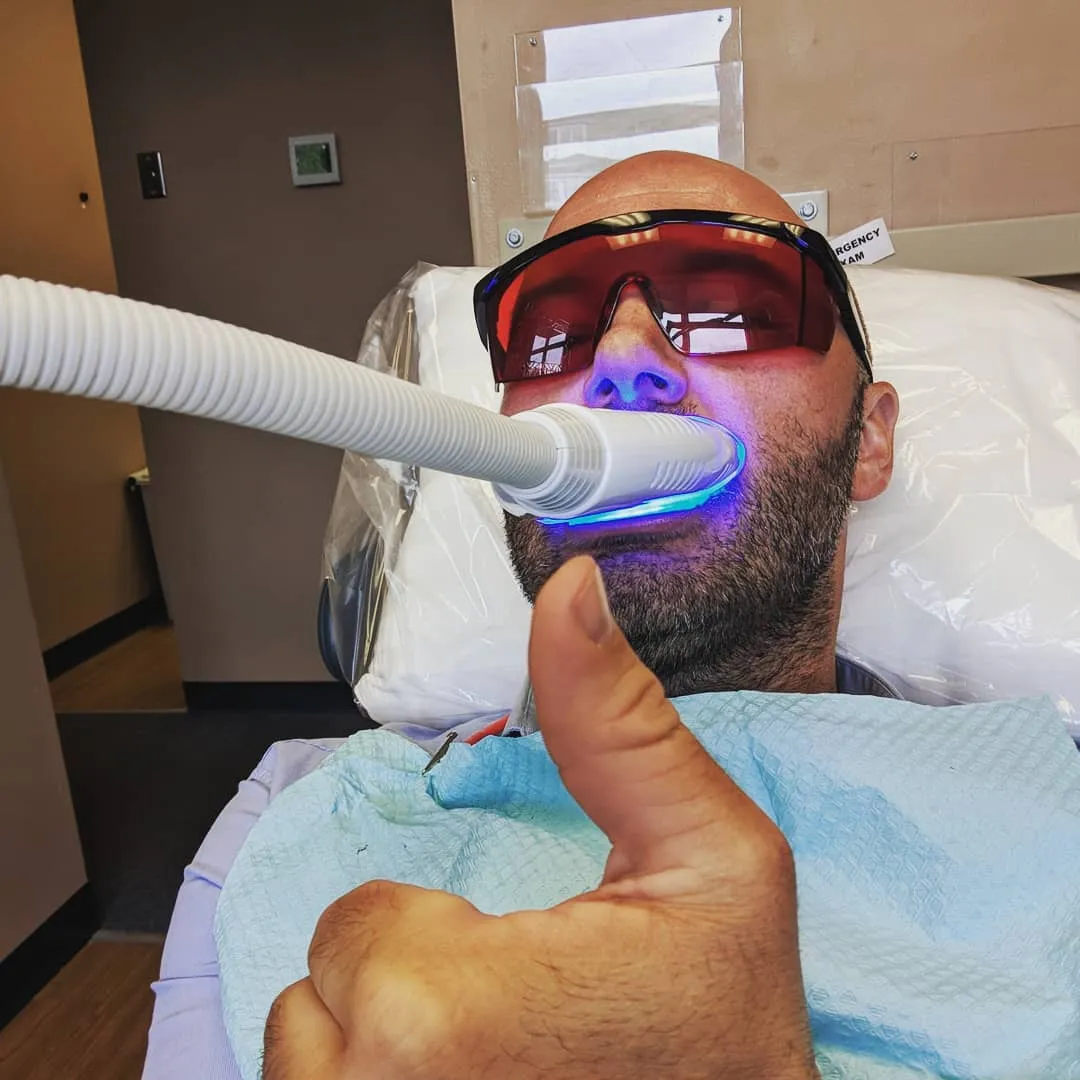
Why Gentle Teeth Whitening Matters
Achieving a brighter smile shouldn’t come at the cost of your comfort or dental health. Gentle teeth whitening offers a solution for those with sensitive teeth or anyone seeking a less aggressive approach to enhance their smile. Unlike harsh whitening treatments, gentle methods prioritize your comfort and the long-term health of your teeth. This approach minimizes the risk of increased sensitivity and potential damage to your enamel, allowing you to enjoy a radiant smile without the worry of discomfort. Choosing gentle teeth whitening means prioritizing your oral health and ensuring a pleasant experience throughout the process. It’s about finding a balance between aesthetics and well-being, making it an ideal choice for those with sensitivities or those simply seeking a milder treatment option. Remember, a healthy smile is a beautiful smile, and gentle whitening helps you achieve that.
Understanding Tooth Sensitivity
Tooth sensitivity is a common issue that can make everyday activities, such as eating and drinking, quite uncomfortable. It occurs when the protective enamel on your teeth wears away or when your gums recede, exposing the underlying dentin. Dentin contains tiny tubules that lead directly to the nerves of your teeth, and when exposed, these tubules can cause sharp, sudden pain in response to hot, cold, sweet, or acidic foods and drinks. Understanding the causes of tooth sensitivity is the first step in finding effective solutions and choosing the right teeth whitening approach. By knowing what triggers the sensitivity, you can make informed decisions to protect your teeth and enjoy a brighter smile without the discomfort.
Causes of Tooth Sensitivity

Several factors can contribute to tooth sensitivity. Aggressive brushing, using a hard-bristled toothbrush, and excessive teeth whitening can wear away enamel, the hard outer layer of your teeth. Gum recession, often caused by gum disease or overly aggressive brushing, exposes the roots of your teeth, which are more sensitive. Certain dental procedures, such as teeth cleaning, fillings, or crowns, can temporarily increase sensitivity. Consuming highly acidic foods and drinks can also erode enamel over time, increasing sensitivity. Understanding these causes helps you identify potential triggers and take steps to protect your teeth. Regular dental check-ups and proper oral hygiene practices are crucial for maintaining healthy teeth and preventing sensitivity.
Identifying Your Sensitivity Level
Determining your sensitivity level is essential for choosing the right teeth whitening method. Pay attention to the types of stimuli that trigger pain or discomfort. Do hot or cold foods and drinks cause a sharp, brief pain? Is the sensitivity constant or intermittent? Does it worsen when you consume sugary or acidic foods? Keeping a record of these triggers and the intensity of the pain can help you and your dentist assess your sensitivity level. This information will guide you in selecting gentle teeth whitening products or treatments that are less likely to exacerbate your sensitivity. By understanding your specific needs, you can achieve a brighter smile without compromising your comfort. Consulting with your dentist is also crucial for an accurate assessment.
Tip 1 Choosing the Right Whitening Product
Selecting the right teeth whitening product is paramount for a gentle and effective experience. For individuals with sensitive teeth, it’s crucial to opt for products specifically designed to minimize irritation. This often involves choosing options with a lower concentration of hydrogen peroxide, the active ingredient in most whitening treatments. Look for products labeled as ‘gentle’ or ‘for sensitive teeth.’ These typically contain milder formulas that reduce the risk of causing discomfort. Always read the product label and instructions carefully, and consider consulting your dentist for recommendations tailored to your specific needs. Remember, patience is key; gentle whitening may take longer to produce results, but it prioritizes your comfort and oral health.
Types of Whitening Products

A variety of gentle teeth whitening products are available to cater to different preferences and sensitivities. Whitening toothpaste, which contains mild abrasives and sometimes low concentrations of peroxide, is a good starting point. Over-the-counter whitening strips are another popular option, but it is crucial to select those specifically formulated for sensitive teeth. Custom-fitted whitening trays, often provided by your dentist, can offer more precise application and control over the whitening process. These trays are designed to fit your mouth perfectly, ensuring even distribution of the whitening agent and reducing the risk of irritation. Professional teeth whitening treatments performed by a dentist offer the most controlled and effective approach. These treatments can be tailored to your sensitivity level and dental needs. Each product has its pros and cons. It is always best to seek professional advice.
Ingredients to Look For
When choosing gentle teeth whitening products, focus on ingredients that are less likely to cause sensitivity. Look for products with a lower concentration of hydrogen peroxide, typically 6% or less. Some products use alternative whitening agents, such as carbamide peroxide, which releases hydrogen peroxide more slowly, making it gentler on the teeth. Ingredients like potassium nitrate can help desensitize teeth by blocking the nerve signals that cause pain. Fluoride is another beneficial ingredient, as it strengthens enamel and helps protect against sensitivity. Additionally, look for products that contain soothing agents, such as aloe vera or chamomile, which can help reduce irritation. Always prioritize products that are specifically formulated for sensitive teeth and that have been clinically tested and dentist-approved.
Ingredients to Avoid
Certain ingredients can exacerbate tooth sensitivity and should be avoided when choosing teeth whitening products. High concentrations of hydrogen peroxide (above 10%) are more likely to cause irritation and discomfort. Sodium lauryl sulfate (SLS), a common foaming agent in toothpaste, can irritate soft tissues and increase sensitivity. Abrasive ingredients, such as silica, should be used with caution, as they can wear away enamel and worsen sensitivity. It is important to also be mindful of the pH levels of the product. Products with very high or low pH levels may cause sensitivity. Before using any whitening product, carefully review the ingredient list and consult your dentist. This will help ensure you are choosing a safe and effective option for your teeth and overall oral health.
Tip 2 Practicing Proper Oral Hygiene

Proper oral hygiene is essential for maintaining healthy teeth and gums, and it also plays a significant role in minimizing tooth sensitivity. Gentle brushing techniques are vital, especially when using whitening products. Avoid aggressive scrubbing, which can erode enamel and expose the dentin. Use a soft-bristled toothbrush and brush your teeth gently in a circular motion, focusing on each tooth. The frequency of brushing is also crucial, aiming for at least twice a day, for two minutes each time. Maintaining a consistent oral hygiene routine is essential for promoting healthy teeth and gums, reducing the risk of sensitivity, and ensuring the effectiveness of any whitening treatments you choose. When brushing, make sure to reach all areas to prevent the build-up of plaque and bacteria, which can contribute to both sensitivity and other oral health issues.
Brushing Techniques for Sensitive Teeth
Brushing techniques are especially important for individuals with sensitive teeth. Use a soft-bristled toothbrush to minimize the abrasion against your enamel. Brush gently, using a circular or back-and-forth motion, rather than scrubbing vigorously. Apply light pressure and avoid excessive force, which can wear away enamel and irritate your gums. Ensure you brush all surfaces of your teeth, including the front, back, and chewing surfaces. Brush for at least two minutes each time, and consider using a timer or music to ensure you brush for the appropriate duration. The way you hold the toothbrush is also important. Hold it at a 45-degree angle to your gum line to reach the areas where plaque and bacteria tend to accumulate. These gentle techniques can help protect your teeth and gums, reduce sensitivity, and promote optimal oral health.
Flossing and Gentle Gum Care
Flossing and gentle gum care are crucial aspects of oral hygiene, especially for those with sensitive teeth. Flossing removes plaque and food particles from between your teeth, where a toothbrush cannot reach. This helps prevent gum disease and reduces the risk of inflammation, which can contribute to sensitivity. When flossing, be gentle and avoid snapping the floss against your gums. Guide the floss carefully between your teeth, using a gentle sawing motion, and curve the floss around each tooth in a ‘C’ shape. Consider using waxed floss, which may be easier to slide between tight spaces and be less irritating to your gums. The health of your gums affects the sensitivity of your teeth, so consistent gentle flossing can protect your teeth and improve your oral health. Use interdental brushes for a deeper clean and avoid aggressive brushing.
Tip 3 Considering Professional Guidance

Seeking professional guidance from a dentist is highly recommended when considering gentle teeth whitening. Your dentist can assess your overall oral health, identify the causes of your tooth sensitivity, and recommend the most suitable whitening options for your specific needs. They can also provide custom-fitted whitening trays for home use, ensuring a more precise and comfortable experience. In addition, your dentist can perform in-office whitening treatments, which are often more effective and provide immediate results. They are trained to monitor your progress and address any issues that may arise during the whitening process. Professional guidance ensures that you receive the most effective and safe treatment, minimizing the risk of complications and optimizing your results. Regular dental check-ups also allow your dentist to detect any underlying problems, such as cavities or gum disease, which can affect the success of teeth whitening.
Benefits of Professional Whitening
Professional teeth whitening offers several benefits over over-the-counter options. Dentists have access to stronger whitening agents, which can produce more dramatic and faster results. They also have the expertise to monitor your teeth and gums for any adverse reactions and adjust the treatment accordingly. Professional whitening procedures are carried out under controlled conditions, reducing the risk of uneven whitening or damage to your teeth. Your dentist can also customize the treatment based on your specific needs, such as using desensitizing agents to minimize any discomfort. Furthermore, professional whitening often includes a thorough dental cleaning, which removes surface stains and prepares your teeth for optimal whitening. The benefits of professional whitening include safety, effectiveness, and personalized care, ensuring a brighter, healthier smile.
Consulting Your Dentist
Consulting your dentist is essential before starting any teeth whitening treatment, especially if you have sensitive teeth. Your dentist will examine your teeth and gums to determine the cause of your sensitivity and identify any underlying dental issues. They can assess the condition of your enamel and gums to ensure you are a suitable candidate for whitening. Your dentist can then recommend the most appropriate whitening options, considering your sensitivity level and desired results. They may suggest pre-treatment desensitizing measures, such as special toothpaste or fluoride treatments, to minimize discomfort during whitening. They can also provide guidance on proper oral hygiene practices and recommend specific products to help you maintain your results. Your dentist’s expertise ensures that your teeth whitening experience is safe, effective, and tailored to your individual needs.
Tip 4 Using Natural Remedies with Caution

While natural remedies for teeth whitening may seem appealing, it’s crucial to approach them with caution, especially if you have sensitive teeth. Some natural ingredients, like lemon juice and baking soda, can be highly acidic and abrasive, potentially eroding enamel and increasing sensitivity. Before trying any natural remedies, consult your dentist to ensure they are safe for your teeth and gums. Your dentist can provide guidance on the appropriate methods and ingredients to use, as well as the potential risks involved. Natural remedies may not always be as effective as professional treatments, and they may require a longer period to show results. Always prioritize your oral health and comfort by seeking professional advice before experimenting with natural remedies. Make sure to carefully evaluate the ingredients and understand their potential effects on your teeth and gums.
Popular Natural Whitening Methods
Several natural methods are often touted for teeth whitening, but their effectiveness and safety vary. One popular approach involves using baking soda and hydrogen peroxide, which are mixed into a paste and applied to the teeth. Activated charcoal is another option, which is believed to absorb stains. Oil pulling with coconut oil is also used, with the aim of removing bacteria and toxins from the mouth. Some people use lemon juice or other acidic fruits, which are thought to brighten teeth. Before trying any of these methods, consult with your dentist. Some of these may cause more damage than they offer. Proper use is important, and the potential risks, like tooth sensitivity or enamel erosion, need to be considered.
Potential Risks of Natural Remedies
While some natural remedies may offer minor whitening effects, they often come with potential risks, especially for those with sensitive teeth. Highly acidic substances, such as lemon juice and vinegar, can erode enamel, leading to increased sensitivity and a higher risk of cavities. Abrasive ingredients, like baking soda and activated charcoal, can scratch the enamel, making teeth more prone to staining and sensitivity. Incorrect use of these methods may damage the gums and soft tissues in the mouth. Before trying any natural remedy, discuss it with your dentist to understand the specific risks involved. Your dentist can assess your individual oral health and provide guidance on safe and effective teeth whitening options. Prioritizing safety and consulting with a professional ensures you can achieve a brighter smile without compromising your dental health.
Tip 5 Maintaining Your Results

Maintaining the results of gentle teeth whitening requires consistent effort and attention to your oral health and lifestyle. Follow your dentist’s instructions for post-whitening care, including specific recommendations for oral hygiene and product usage. Make sure to avoid or limit the consumption of staining foods and drinks, such as coffee, tea, red wine, and dark-colored berries. Consider using a straw for beverages to minimize contact with your teeth. Regular dental check-ups and cleanings are essential for removing surface stains and maintaining your bright smile. If you smoke, quitting is one of the best things you can do to maintain your results. With mindful habits and diligent care, you can enjoy a long-lasting, radiant smile.
Dietary Considerations
Your diet plays a significant role in maintaining the results of your teeth whitening treatment. Certain foods and drinks can stain your teeth and diminish the effects of whitening. Limit your consumption of staining beverages, such as coffee, tea, red wine, and dark-colored sodas. Be cautious with highly pigmented foods, like berries, curries, and soy sauce. Consider rinsing your mouth with water or brushing your teeth after consuming these items to reduce staining. Include a variety of fresh fruits and vegetables, which promote saliva production and help naturally clean your teeth. A balanced diet supports overall oral health and helps maintain your bright smile. By being mindful of your dietary choices, you can significantly extend the benefits of your gentle teeth whitening treatment.
Regular Dental Check-ups
Regular dental check-ups are essential for maintaining your bright, healthy smile after teeth whitening. Your dentist can assess your oral health, identify any potential issues, and provide professional cleanings to remove surface stains. During check-ups, your dentist can also monitor your progress and offer recommendations for maintaining your results. They may recommend touch-up whitening treatments as needed to refresh your smile. Regular check-ups also provide the opportunity to catch any problems early, such as cavities or gum disease, and address them promptly. These preventative measures are critical for protecting your investment in teeth whitening and ensuring your oral health. Schedule check-ups every six months or as recommended by your dentist. Consistent care will allow you to enjoy your radiant, brighter smile for years to come.