Understanding DIY Teeth Whitening
Achieving a brighter smile without a visit to the dentist’s office is possible with DIY teeth whitening methods. These techniques offer an accessible and often cost-effective way to combat tooth discoloration. However, it’s essential to approach these methods with knowledge and caution. This guide will delve into the science behind DIY teeth whitening, explore effective methods, and provide essential safety information. Before embarking on any DIY treatment, it’s crucial to understand the causes of tooth discoloration and how these methods work. This foundation will help you make informed decisions and achieve the desired results safely. Remember, the goal is a healthier, brighter smile, not just a quick fix.
What Causes Tooth Discoloration
Tooth discoloration, or staining, can stem from various factors, impacting the natural whiteness of your teeth. Understanding these causes is the first step towards effective DIY teeth whitening. Stains can be broadly categorized into two types intrinsic and extrinsic. Extrinsic stains occur on the tooth surface, often resulting from dietary choices and lifestyle habits. Intrinsic stains originate within the tooth structure itself, frequently caused by aging, certain medications, or dental trauma. Both types can contribute to a less vibrant smile, and addressing the underlying cause can enhance the success of your whitening efforts.
Common Culprits Behind Stained Teeth

Several daily habits and dietary choices contribute to tooth staining. Consuming beverages like coffee, tea, and red wine is a significant factor, as these drinks contain chromogens, pigments that adhere to tooth enamel. Smoking and tobacco use are also major contributors, leading to yellowing and brown stains. Certain foods, such as berries, curries, and soy sauce, can also stain teeth. Furthermore, poor oral hygiene practices, such as infrequent brushing and flossing, exacerbate staining by allowing plaque and tartar to accumulate. Addressing these habits and maintaining good oral hygiene are crucial steps in preventing and mitigating tooth discoloration.
How DIY Whitening Works
DIY teeth whitening methods typically rely on chemical reactions to break down the molecules causing stains on your teeth. Common ingredients like baking soda, hydrogen peroxide, and activated charcoal have properties that can help lift stains and restore the natural brightness of your teeth. The effectiveness of these methods varies, and it’s important to manage expectations. While some DIY methods can provide noticeable results, they may not be as dramatic or long-lasting as professional treatments. Moreover, consistent application is essential for optimal results. Always follow the recommended guidelines and prioritize your oral health by consulting with your dentist if you have any concerns.
The Science of Bleaching
The core principle behind teeth bleaching involves oxidation. Whitening agents, like hydrogen peroxide, release oxygen molecules that penetrate the enamel and dentin. These oxygen molecules then break down the stain molecules, effectively lightening the color of the teeth. The concentration of the whitening agent and the duration of application influence the degree of whitening. DIY methods often use lower concentrations than professional treatments, which means it may take longer to achieve noticeable results. It’s important to understand the chemical processes involved to use these methods safely and avoid potential damage to your teeth and gums. Always prioritize your dental health.
DIY Teeth Whitening Step-by-Step Guide

Embarking on a DIY teeth whitening journey requires careful planning and execution. This step-by-step guide provides detailed instructions for some of the most popular and accessible methods. Before you begin, gather all the necessary materials and make sure you understand each step. Consistency is key to seeing results, so establish a regular routine. Be patient, as it may take several applications to achieve your desired level of whitening. If you experience any discomfort or have concerns, consult with your dentist immediately. Remember, a brighter smile is a journey, not a destination.
Step 1 Preparing Your Teeth
Before applying any whitening agent, ensure your teeth are clean. Brush your teeth thoroughly with toothpaste to remove surface debris and plaque. Floss to eliminate any food particles or plaque between your teeth. Rinsing your mouth with water or a mild mouthwash can further prepare your teeth for the whitening treatment. This initial preparation step enhances the effectiveness of the whitening agents and helps protect your gums from irritation. Make this a routine before each DIY teeth whitening application.
Step 2 The Baking Soda Paste
Baking soda is a mild abrasive that can help remove surface stains. Mix a small amount of baking soda with water until it forms a paste. Apply this paste to your toothbrush and gently brush your teeth for about two minutes. Rinse thoroughly with water. Baking soda can help whiten your teeth over time, but it is important to use it cautiously, as excessive use can erode the enamel. This method should be used sparingly, perhaps once or twice a week, to avoid any potential harm to your teeth.
Step 3 Using Hydrogen Peroxide

Hydrogen peroxide is a bleaching agent that can help lighten tooth color. Dilute 3% hydrogen peroxide with an equal amount of water. Dip your toothbrush into the diluted solution and brush your teeth for about two minutes. Rinse thoroughly with water. Be cautious when using hydrogen peroxide, as it can cause gum irritation or tooth sensitivity. Avoid swallowing the solution. The frequency of use should be limited, perhaps once or twice a week, and monitor your teeth for any adverse reactions. Consider consulting with your dentist before starting to ensure it’s a safe option for your specific dental health needs.
Step 4 Whitening with Coconut Oil
Oil pulling with coconut oil is another popular DIY method. Swish one to two tablespoons of coconut oil in your mouth for 15-20 minutes. Spit the oil out and rinse your mouth with water. Coconut oil is believed to help remove bacteria and plaque, potentially contributing to a brighter smile. While more research is needed to confirm its effectiveness, many people find it a gentle and natural way to improve their oral health. Be sure to spit the oil into the trash, not the sink, to avoid clogging your pipes. This is a good supplementary step to use alongside other teeth whitening methods.
Step 5 Applying the Mixture
When using mixtures of baking soda, hydrogen peroxide or other ingredients, it’s important to carefully apply them to your teeth. Using a soft-bristled toothbrush, gently apply the mixture, ensuring it covers the surface of your teeth. Avoid aggressive brushing, as this can damage your enamel. Leave the mixture on your teeth for the recommended time, usually 1-2 minutes, depending on the method. Follow the specific instructions for each DIY treatment, and never exceed the recommended duration. This is critical to avoid any unnecessary harm to your teeth and gums. Monitor your teeth for any signs of sensitivity or irritation during the process.
Step 6 Rinse and Repeat

After applying any DIY teeth whitening mixture, thoroughly rinse your mouth with water. Make sure to remove all traces of the whitening agent. For baking soda and hydrogen peroxide, brushing with regular toothpaste after rinsing can help neutralize the effects and remove any remaining residue. Repeat these steps consistently, following the recommended frequency for each method. Regularly rinsing your mouth is a vital step in this process and it is important to not swallow any of the mixture. This simple habit will help you protect your dental health and achieve brighter results.
Step 7 Maintaining Results
Maintaining your newly whitened teeth is crucial for long-lasting results. Regular dental hygiene practices are the foundation of a bright smile. Brush your teeth twice a day, floss daily, and use an antibacterial mouthwash. Limit your consumption of staining foods and beverages, such as coffee, tea, and red wine. Consider using a straw for staining drinks to minimize their contact with your teeth. Regular dental check-ups and cleanings can also help maintain your smile. These consistent efforts will not only keep your teeth white but also contribute to your overall oral health.
Safety Precautions & Considerations
Safety should always be a top priority when considering DIY teeth whitening. Understanding the potential risks and taking precautions can help you avoid adverse effects and protect your oral health. Before embarking on any DIY method, consult with your dentist, especially if you have existing dental issues. Prioritize your oral health and seek professional advice if you have any concerns. It’s better to be safe than sorry when it comes to your teeth.
Potential Risks & Side Effects

DIY teeth whitening methods can carry potential risks. Common side effects include increased tooth sensitivity and gum irritation. Overuse of abrasive agents, such as baking soda, can erode enamel over time, leading to further dental issues. Improper use of hydrogen peroxide can cause chemical burns or damage to the soft tissues in your mouth. Additionally, DIY methods may not be suitable for everyone, especially those with existing dental work, such as fillings or crowns. It’s essential to be aware of these potential side effects and adjust your approach as needed. If you experience any discomfort, discontinue the treatment immediately and seek professional dental advice.
When to Consult a Dentist
While DIY teeth whitening can be a convenient option, there are times when consulting a dentist is crucial. If you have existing dental problems, such as cavities, gum disease, or sensitive teeth, professional dental advice is essential before trying any whitening method. If you experience significant tooth sensitivity or gum irritation after using DIY methods, stop the treatment and consult your dentist immediately. If you are unsatisfied with the results and want a more effective solution, your dentist can provide professional whitening options, such as in-office treatments or custom-fitted trays. Regular dental check-ups are also important for monitoring the health of your teeth and gums and addressing any potential issues.
Alternative DIY Whitening Methods
Beyond the common methods, there are various alternative DIY teeth whitening options to explore. These methods often rely on natural ingredients, which may be gentler on your teeth and gums. It is essential to do your research and understand the potential effectiveness and risks. Incorporating these natural methods into your routine, along with good oral hygiene, can contribute to a brighter smile. Consider these alternative approaches to find a safe and enjoyable method that fits your needs.
Whitening with Lemon Juice & Baking Soda

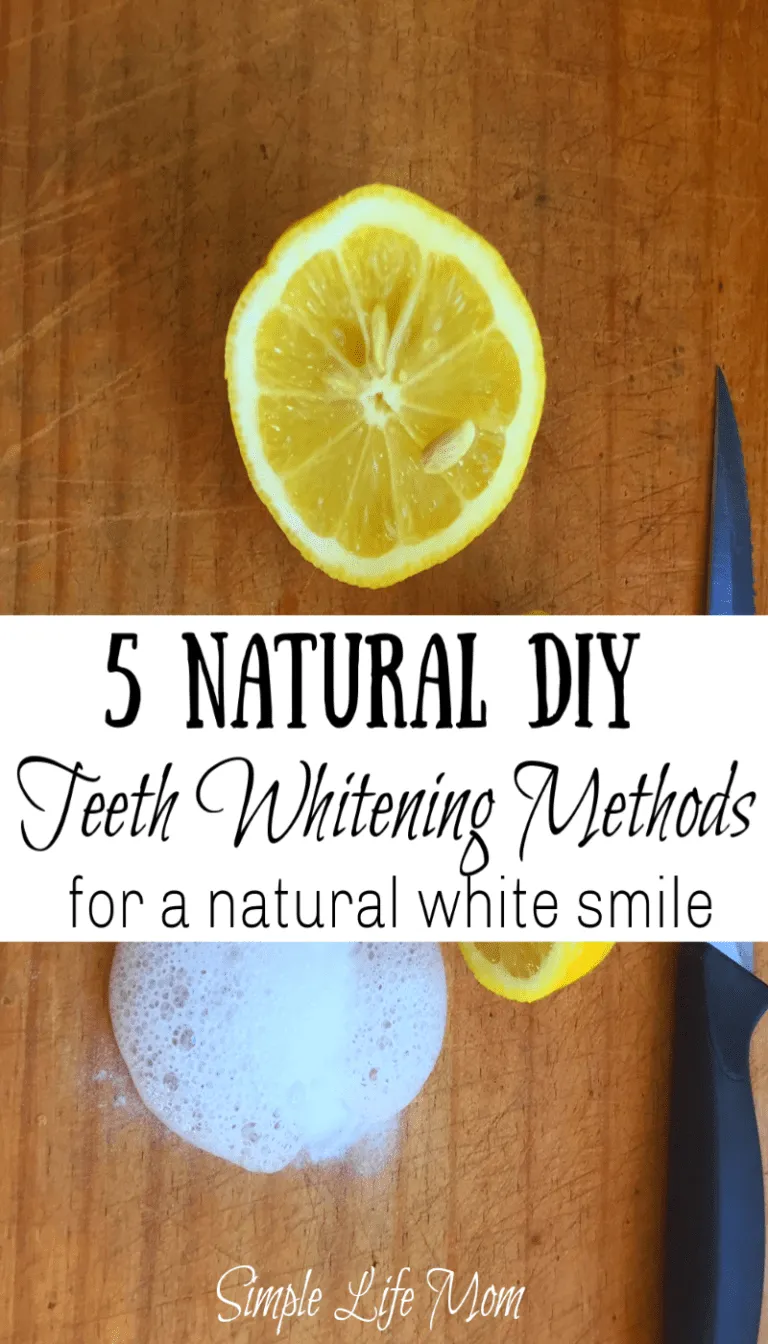
Lemon juice is another natural ingredient sometimes used for DIY teeth whitening. The citric acid in lemon juice can help to remove stains and brighten teeth. However, lemon juice is highly acidic and can erode tooth enamel, leading to increased sensitivity and potential damage. When used in combination with baking soda, the abrasive qualities of the baking soda can exacerbate these risks. Therefore, if you are considering this method, it should be used very sparingly and cautiously. It is best to consult your dentist before using this mixture, to assess its suitability for your dental condition.
Using Activated Charcoal
Activated charcoal is a popular natural teeth whitening agent. It is believed to absorb stains and impurities from the teeth, leading to a brighter appearance. To use activated charcoal, dip a wet toothbrush into the charcoal powder and gently brush your teeth for 2-3 minutes. Rinse your mouth thoroughly with water. While activated charcoal can effectively remove surface stains, it is an abrasive and may not be suitable for everyone. Excessive use can potentially damage enamel. Always use a soft-bristled toothbrush and be gentle while brushing. Consult with your dentist to determine whether activated charcoal is a safe option for your teeth.
The Importance of Oral Hygiene
Regardless of the teeth whitening method you choose, proper oral hygiene is the cornerstone of a healthy and bright smile. Consistent oral hygiene practices not only help maintain the results of your teeth whitening efforts but also contribute to overall dental health. Brushing your teeth twice a day with fluoride toothpaste helps to remove plaque and food particles. Flossing daily removes debris and plaque from between your teeth and below the gumline. Regular dental check-ups and professional cleanings are essential for preventing and treating dental problems. By prioritizing oral hygiene, you can achieve a brighter, healthier smile.