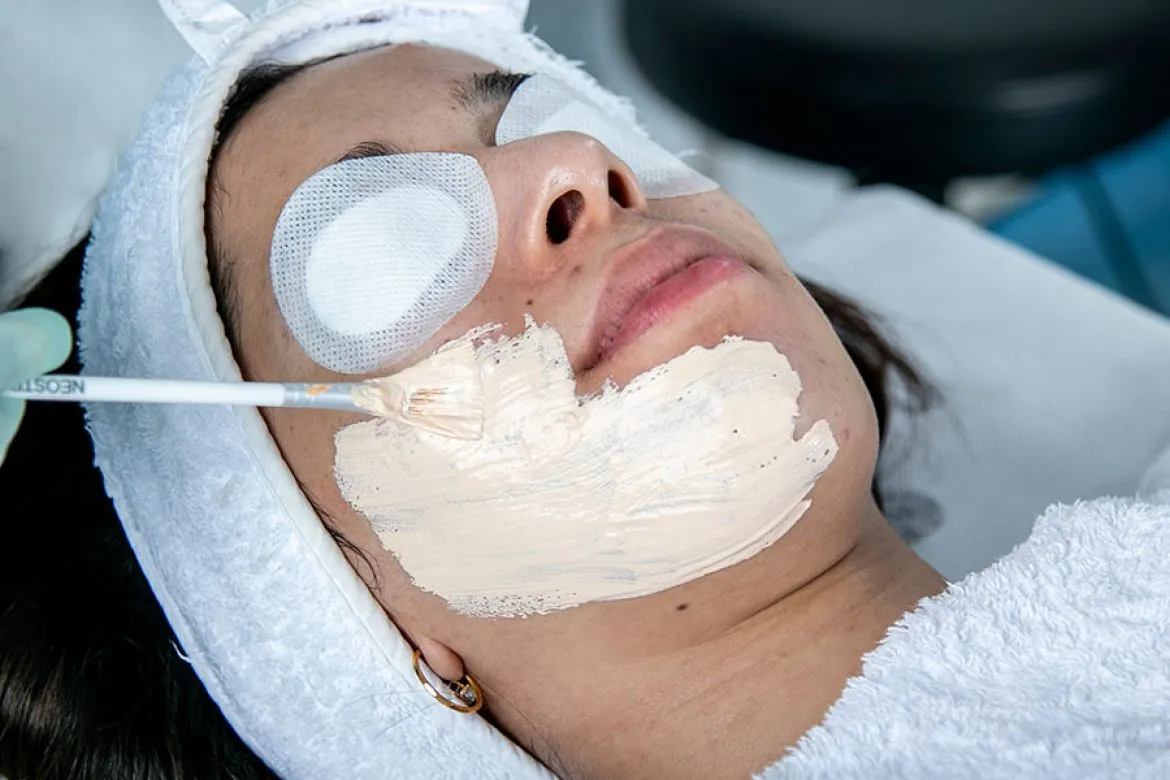
What is Deep Whitening
Deep whitening, also known as professional teeth whitening, is a cosmetic dental procedure designed to significantly lighten the color of your teeth and remove stains and discoloration. Unlike over-the-counter whitening products, deep whitening treatments are performed by a dental professional, ensuring a more effective and often faster result. This process uses high-concentration bleaching agents to penetrate the enamel and dentin, breaking down the stain molecules and revealing a brighter, more radiant smile. The procedure is tailored to your specific needs, taking into account the current shade of your teeth, the type of stains, and your desired level of whitening.
The Science Behind Deep Whitening
The science behind deep whitening involves a chemical reaction that occurs within the tooth enamel. The primary active ingredient in most whitening agents is hydrogen peroxide or carbamide peroxide. When these substances come into contact with the teeth, they release oxygen molecules. These oxygen molecules penetrate the enamel and dentin, breaking down the stain molecules that cause discoloration. The process doesn’t damage the tooth structure itself, but rather alters the appearance by removing the staining agents. The concentration of the bleaching agent and the duration of the treatment determine the extent of the whitening effect. This is why professional treatments, with higher concentrations, tend to produce more dramatic results compared to home kits. This process is considered safe when performed under professional supervision.
How Deep Whitening Works

The process of deep whitening generally involves several steps. First, a dentist will assess your oral health to ensure you are a suitable candidate. Then, your teeth are thoroughly cleaned to remove any plaque or debris. A protective barrier, such as a rubber dam or gel, is applied to your gums to prevent irritation from the whitening agent. The whitening gel, containing a high concentration of hydrogen peroxide, is then applied to the teeth. Some in-office procedures use a special light or laser to accelerate the whitening process. The gel is typically left on the teeth for a specified time, and the process may be repeated multiple times during a single session. After the treatment, the gel is removed, and your teeth are rinsed. You’ll receive post-treatment instructions to maintain your newly whitened smile.
The Different Types of Deep Whitening Treatments
Professional Deep Whitening
Professional deep whitening is conducted in a dentist’s office and offers the most effective and rapid results. The dentist uses a higher concentration of bleaching agents than those available in at-home kits. This allows for significant whitening in a single session, often improving the shade of your teeth by several levels. The entire process is carefully monitored by a dental professional to minimize the risk of sensitivity or other side effects. Professional treatments can address stubborn stains and discoloration that over-the-counter products may not be able to handle. Moreover, the dentist can also customize the treatment based on your individual needs and the severity of the staining.
In-Office Deep Whitening

In-office whitening involves a dentist applying a high-concentration bleaching gel to your teeth. The dentist may use a special light or laser to accelerate the whitening process, further enhancing the results. These treatments are typically completed in about an hour and provide immediate results. The dentist ensures that your gums and soft tissues are protected throughout the procedure to minimize any discomfort or irritation. In-office whitening is ideal for individuals seeking immediate and dramatic improvements in their smile’s brightness and appearance. The professional setting also offers a safe and controlled environment.
At-Home Deep Whitening Kits
At-home whitening kits, often prescribed by a dentist, provide a more convenient option for teeth whitening. These kits include custom-fitted trays that hold a lower concentration of bleaching gel, to be worn for a specified amount of time each day. Your dentist will take impressions of your teeth to create these trays, ensuring a comfortable and effective fit. While the results may take longer to achieve than in-office treatments, at-home kits can still deliver significant whitening improvements over a few weeks. Regular use, as directed by your dentist, can help you achieve and maintain a brighter smile. Your dentist will also guide you on the correct usage and provide advice to minimize any potential side effects.
Over-the-Counter Whitening Products
Over-the-counter (OTC) whitening products, such as whitening strips, toothpastes, and mouthwashes, are readily available at most drugstores. These products contain lower concentrations of bleaching agents or other whitening ingredients. Whitening strips are typically the most effective of the OTC options, but they may not provide dramatic results. Whitening toothpastes and mouthwashes work by removing surface stains and may only provide minor whitening effects. OTC products can be a convenient and affordable option for maintaining a brighter smile, but they are generally less effective than professional treatments. The user must always follow the instructions carefully to avoid any potential adverse effects.
Choosing the Right Deep Whitening Option

Choosing the right deep whitening option depends on your individual needs, budget, and desired results. If you are looking for rapid and dramatic whitening, in-office treatments are the best choice. If you prefer a more convenient and affordable option, at-home whitening kits prescribed by your dentist can be a good alternative. Over-the-counter products can be used for maintaining a brighter smile, but they are generally less effective. Consulting with your dentist is crucial to determine which option is best for you. Your dentist can assess your oral health, discuss your goals, and recommend the most suitable treatment plan.
Benefits of Deep Whitening
Improved Confidence and Self-Esteem
One of the most significant benefits of deep whitening is the boost in confidence and self-esteem. A brighter, whiter smile can make you feel more attractive and self-assured. This can positively impact your social interactions, professional life, and overall well-being. When you feel good about your smile, you are more likely to smile more often, which in turn, can make you feel happier and more approachable. Deep whitening helps you overcome any self-consciousness about the color of your teeth, enabling you to face the world with greater confidence.
Enhanced Appearance and Aesthetics

Deep whitening significantly enhances your overall appearance by improving the aesthetics of your smile. Whiter teeth create a more youthful and vibrant look. A brighter smile can make your face appear more radiant and can complement your skin tone. Deep whitening can remove stains caused by coffee, tea, tobacco, and other factors, helping you achieve a more polished and attractive appearance. This can also have positive effects on your perception of yourself, creating a sense of improved self-image and a desire to maintain a healthy, beautiful smile.
Quick and Effective Results
Professional deep whitening offers quick and effective results. In-office treatments can whiten your teeth by several shades in just one session. Even at-home kits, when used as directed, can produce noticeable improvements within a few weeks. The speed and effectiveness of deep whitening make it a popular choice for individuals seeking rapid cosmetic enhancements. With deep whitening, you do not have to wait months or years to see a difference. The efficiency of the treatment allows you to achieve your desired smile transformation with minimal delay, providing you with immediate satisfaction.
Potential Risks and Side Effects of Deep Whitening
Tooth Sensitivity

Tooth sensitivity is a common side effect of deep whitening. The bleaching agents can temporarily make your teeth more sensitive to hot and cold temperatures. This sensitivity usually subsides within a few days after the treatment. Your dentist may recommend using a desensitizing toothpaste or applying fluoride to alleviate the sensitivity. Avoiding extremely hot or cold foods and drinks during this time can also help minimize discomfort. Proper pre-treatment assessment and post-treatment care will further reduce the chances and intensity of tooth sensitivity.
Gum Irritation
Gum irritation is another potential side effect of deep whitening. This can occur if the bleaching agent comes into contact with your gums. The dentist takes precautions to minimize the risk of gum irritation, such as using a protective barrier. Mild gum irritation usually resolves quickly after the treatment. In rare cases, more severe irritation may occur. It is very important to carefully follow the dentist’s instructions to avoid any complications and for proper aftercare. Contacting the dentist if irritation persists is vital to ensure no further damage to the gums.
Enamel Damage
Although rare when performed by a dental professional, there is a potential risk of enamel damage with deep whitening if the treatment is not performed correctly or if it is overused. This is why it is essential to consult with a dentist and follow their recommendations carefully. The dentist will assess your oral health to determine if you are a suitable candidate for whitening and will monitor the procedure to ensure your teeth are not harmed. Using whitening treatments excessively, or using products that are not approved by a dentist, can increase the risk of enamel damage and can lead to other dental issues.
How to Prepare for a Deep Whitening Treatment

Consultation with a Dentist
The first step in preparing for deep whitening is to consult with your dentist. During your consultation, your dentist will examine your teeth and gums to determine if you are a good candidate for the procedure. They will discuss your goals, assess the cause of the discoloration, and recommend the most appropriate whitening treatment. The dentist will also review your medical history and take any necessary X-rays. This step is important to ensure that any underlying dental issues are addressed before proceeding with the whitening treatment. The dentist will also provide you with detailed instructions on how to prepare for the treatment.
Teeth Cleaning and Examination
Before undergoing deep whitening, your dentist will typically perform a thorough teeth cleaning. This cleaning removes any plaque, tartar, and surface stains that may be present. The dentist will also examine your teeth for cavities, gum disease, or other dental issues. These issues need to be addressed before you start whitening, as they can affect the results. A professional cleaning ensures that the whitening agent can effectively penetrate the enamel. It also provides a healthy base for the whitening treatment, maximizing the benefits. Any necessary dental work, like fillings or crowns, should also be done before the whitening procedure.
Avoiding Foods and Drinks that Stain Teeth

To maximize the results of your deep whitening treatment and prevent future staining, it is important to avoid foods and drinks that can stain your teeth. These include coffee, tea, red wine, dark sodas, and certain fruits and vegetables, such as berries and beets. Smoking and using tobacco products also contribute to tooth discoloration and should be avoided. Consider limiting your consumption of these staining agents for at least a week before your treatment and for several days afterward. Drinking through a straw can also help to minimize contact between staining substances and your teeth. Following these guidelines can significantly extend the life and effectiveness of your newly whitened smile.
Post-Treatment Care and Maintenance
Maintaining a Bright Smile
To maintain your bright, white smile after deep whitening, it is essential to practice good oral hygiene. Brush your teeth twice a day with a whitening toothpaste and floss daily. Avoid consuming excessive amounts of staining foods and drinks. If you do consume them, rinse your mouth with water immediately afterward. Consider using a straw for beverages. Regular dental check-ups and cleanings are also crucial for maintaining your results. You may also want to consider using a touch-up whitening kit at home to help maintain the desired shade of your teeth over time. Following a consistent oral hygiene routine will ensure a lasting and beautiful smile.
Regular Dental Check-ups
Regular dental check-ups and cleanings are essential for maintaining your oral health and the results of your deep whitening treatment. Your dentist can monitor your teeth for any signs of staining or other issues. They can also provide professional cleanings to remove any surface stains and plaque. During your check-ups, the dentist can assess the effectiveness of your whitening treatment and recommend any necessary touch-ups or maintenance. Routine dental care helps to prevent future discoloration and ensures that your smile remains bright and healthy for years to come. Regular check-ups also allow your dentist to catch and address any dental problems early, preventing more extensive treatments down the line.
Conclusion
Deep whitening offers a highly effective way to achieve a brighter, more confident smile. With the variety of options available, from in-office procedures to at-home kits, there is a solution to meet every individual’s needs. By understanding the science behind the process, the different types of treatments, and the essential pre- and post-treatment care, you can achieve optimal results. Always consult with a dental professional to determine the best course of action and to ensure that you are a suitable candidate. With proper care and maintenance, deep whitening can transform your smile, boosting your confidence and enhancing your overall appearance for years to come.