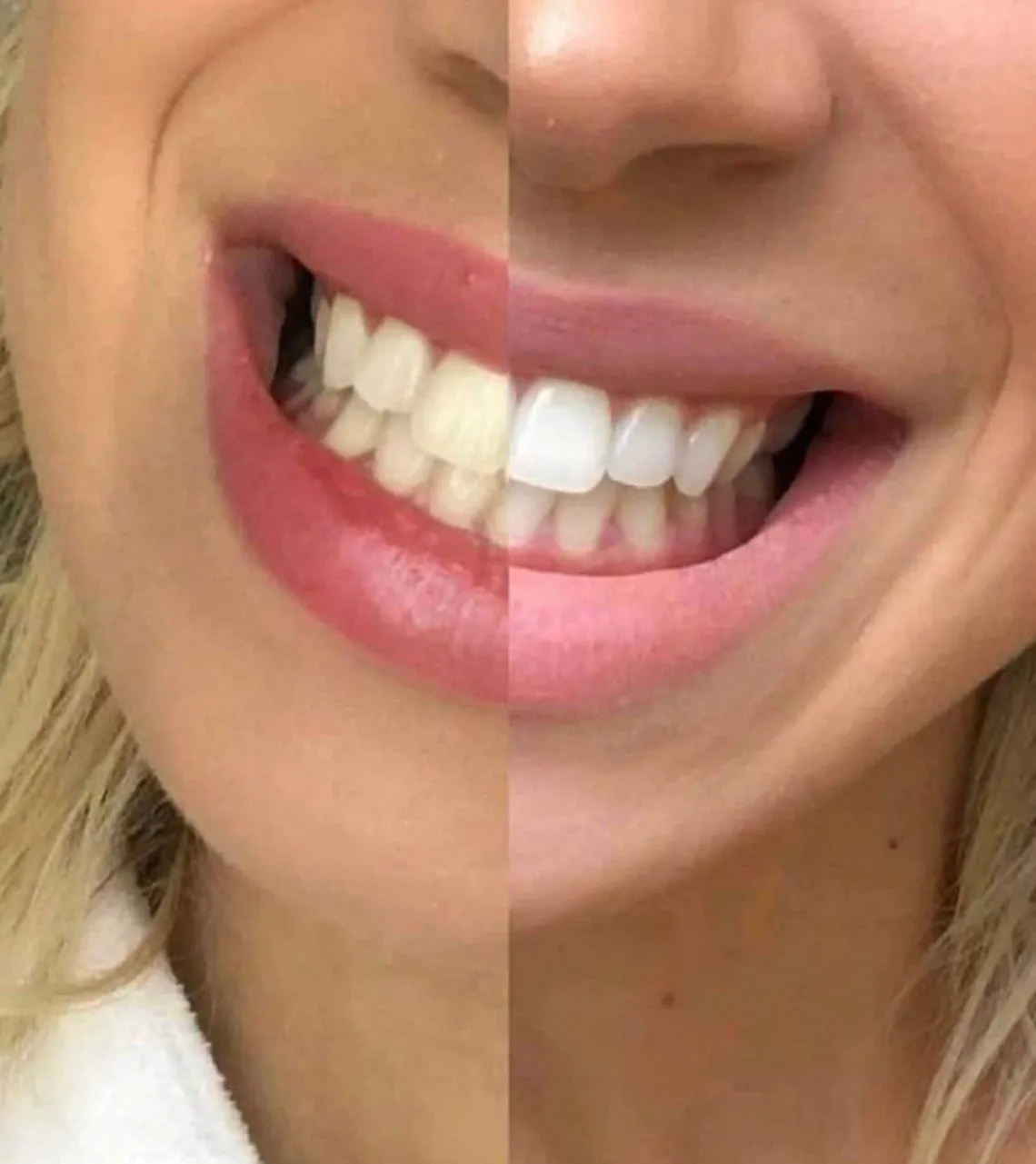
Understanding Crest Whitening Strips
Crest Whitening Strips have revolutionized at-home teeth whitening, offering a convenient and effective way to achieve a brighter smile. These strips, pre-loaded with a whitening agent, adhere to your teeth, delivering a concentrated dose of enamel-brightening power. Understanding how these strips work and the factors influencing their use is crucial for optimal results and oral health. This comprehensive guide delves into the specifics of Crest Whitening Strips, ensuring you can confidently use them to achieve a dazzling, white smile.
How Crest Whitening Strips Work
Crest Whitening Strips operate on a straightforward principle the active ingredient, typically hydrogen peroxide or carbamide peroxide, penetrates the enamel to break down stain molecules. The strip’s design ensures close contact between the whitening agent and the tooth surface. This close contact allows the peroxide to effectively lift stains and discoloration caused by coffee, tea, tobacco, and other factors. The process is gradual, with noticeable whitening occurring over the course of several days or weeks, depending on the product and individual factors.
Active Ingredients in Crest Whitening Strips

The effectiveness of Crest Whitening Strips hinges on their active ingredients. The most common is hydrogen peroxide, a powerful oxidizing agent that bleaches stains. Some strips may use carbamide peroxide, which breaks down into hydrogen peroxide. The concentration of these agents varies across different Crest Whitening Strip products, influencing the recommended usage time and whitening power. Other ingredients are included to help the strip adhere to teeth and ensure even application. The choice of active ingredient and its concentration dictates the whitening strength and potential for sensitivity.
The Importance of Following Instructions
Adhering to the instructions provided with your Crest Whitening Strips is paramount. These instructions are meticulously crafted based on product formulations and clinical trials to ensure both effectiveness and safety. Deviating from these guidelines, such as leaving the strips on for too long or using them more frequently than recommended, can increase the risk of side effects, including tooth sensitivity and gum irritation. Furthermore, not following instructions might render the product less effective, leading to disappointing results. Always prioritize the manufacturer’s guidance for the best and safest whitening experience.
Recommended Usage Time for Crest Whitening Strips
The recommended usage time for Crest Whitening Strips varies depending on the specific product. Generally, the strips are designed to be worn for a specific duration, typically ranging from 30 minutes to an hour. It is essential to consult the packaging for the precise time frame. The duration is carefully calibrated to allow the whitening agent to work effectively without causing excessive sensitivity or other side effects. Following these guidelines is key to achieving desired results while minimizing risks.
Crest 3D White Strips

Crest 3D White Strips often have a usage time of around 30 minutes. These strips typically contain a higher concentration of hydrogen peroxide, designed for more rapid and noticeable whitening. Users should carefully adhere to the 30-minute timeframe to avoid potential sensitivity. The 3D White series is formulated to provide visible results within a few days, making it a popular choice for those seeking a quick teeth-whitening solution.
Crest Gentle Routine Strips
Crest Gentle Routine Strips are designed for individuals with sensitive teeth or those new to teeth whitening. These strips usually have a shorter wear time, often around 5 minutes or less, and a lower concentration of the whitening agent. The reduced time and concentration help to minimize sensitivity and irritation. These strips offer a more gradual whitening process, making them ideal for those with delicate enamel.
Crest Whitening Emulsions
Crest Whitening Emulsions offer a different application method. Instead of strips, a whitening serum is applied directly to the teeth. The application time is typically shorter than traditional strips, and the product can be reapplied throughout the day. Always follow the specific directions for Crest Whitening Emulsions, as usage times and frequency can vary from traditional strip products.
Factors Influencing Usage Time

Several factors can influence how long you should leave Crest Whitening Strips on, as well as the overall effectiveness and safety of the product. Understanding these elements can help tailor your approach to achieve the best possible results while safeguarding your oral health. Key considerations include your existing tooth sensitivity, enamel thickness, and the severity of staining on your teeth.
Tooth Sensitivity
Tooth sensitivity is a common side effect of teeth whitening. Individuals with pre-existing sensitivity may experience more discomfort. If sensitivity occurs, reduce the wear time of your Crest Whitening Strips or consider using a gentler product formulation. You might also consider using a desensitizing toothpaste before and after whitening treatments to minimize discomfort. Always listen to your teeth and adjust usage accordingly.
Enamel Thickness
The thickness of your tooth enamel also affects whitening. Those with thinner enamel may experience increased sensitivity and potentially faster whitening. Thicker enamel can withstand stronger whitening agents or longer application times. If you’re unsure about your enamel thickness, consult with your dentist. They can assess your oral health and provide personalized recommendations based on your specific needs.
Stain Severity

The severity of staining can influence the time required to achieve desired results. Heavier staining from coffee, tea, or tobacco may require a longer whitening period. You may need to use the strips for the maximum recommended time or consider a more potent product. However, always stay within the recommended usage guidelines to avoid overexposure. For stubborn stains, consider consulting with your dentist for professional whitening options.
Potential Side Effects and How to Manage Them
While Crest Whitening Strips are generally safe, side effects can occur. Being aware of these potential issues and knowing how to address them is essential for a positive whitening experience. Understanding and managing these side effects ensures you can achieve a brighter smile with minimal discomfort. The most common side effects are gum irritation and tooth sensitivity.
Gum Irritation
Gum irritation, characterized by redness or soreness along the gum line, can occur if the whitening agent comes into contact with the gums. To prevent this, apply the strips carefully, ensuring they are primarily in contact with the teeth. If irritation occurs, take a break from whitening and allow your gums to heal. Using a soft-bristled toothbrush and gentle brushing techniques can also aid in recovery. Rinse your mouth with water after each use, and consider using a fluoride-containing mouthwash.
Tooth Sensitivity Solutions

Tooth sensitivity is one of the most common side effects of teeth whitening. To alleviate this, try using a desensitizing toothpaste containing potassium nitrate for a few weeks before starting and during your whitening treatment. Reduce the wear time of the strips, and take breaks between treatments. Over-the-counter pain relievers like ibuprofen may also help with discomfort. If the sensitivity is severe or persistent, discontinue use and consult your dentist.
Tips for Effective and Safe Whitening
Achieving a dazzling smile with Crest Whitening Strips requires more than just knowing how long to leave them on. Following best practices will maximize the effectiveness of the treatment and protect your oral health. These include consulting with your dentist before starting, maintaining good oral hygiene, and being patient. By following these tips, you can confidently use Crest Whitening Strips for stunning results.
Consulting Your Dentist
Before starting any teeth-whitening treatment, it’s wise to consult your dentist. They can assess the health of your teeth and gums and determine if whitening is right for you. They can also identify any underlying issues, such as cavities or gum disease, that could be exacerbated by whitening. Your dentist can provide personalized recommendations and advice, ensuring that you have a safe and effective whitening experience. They can also advise on professional whitening options if needed.
Maintaining Results

After you have achieved your desired level of whitening, you can maintain the results by practicing good oral hygiene. Brush and floss regularly to remove surface stains. Avoid or limit consumption of stain-causing foods and drinks, such as coffee, tea, and red wine. Consider using a whitening toothpaste and occasional touch-up treatments with Crest Whitening Strips to keep your smile bright. Regular dental check-ups and cleanings will also help maintain your results.