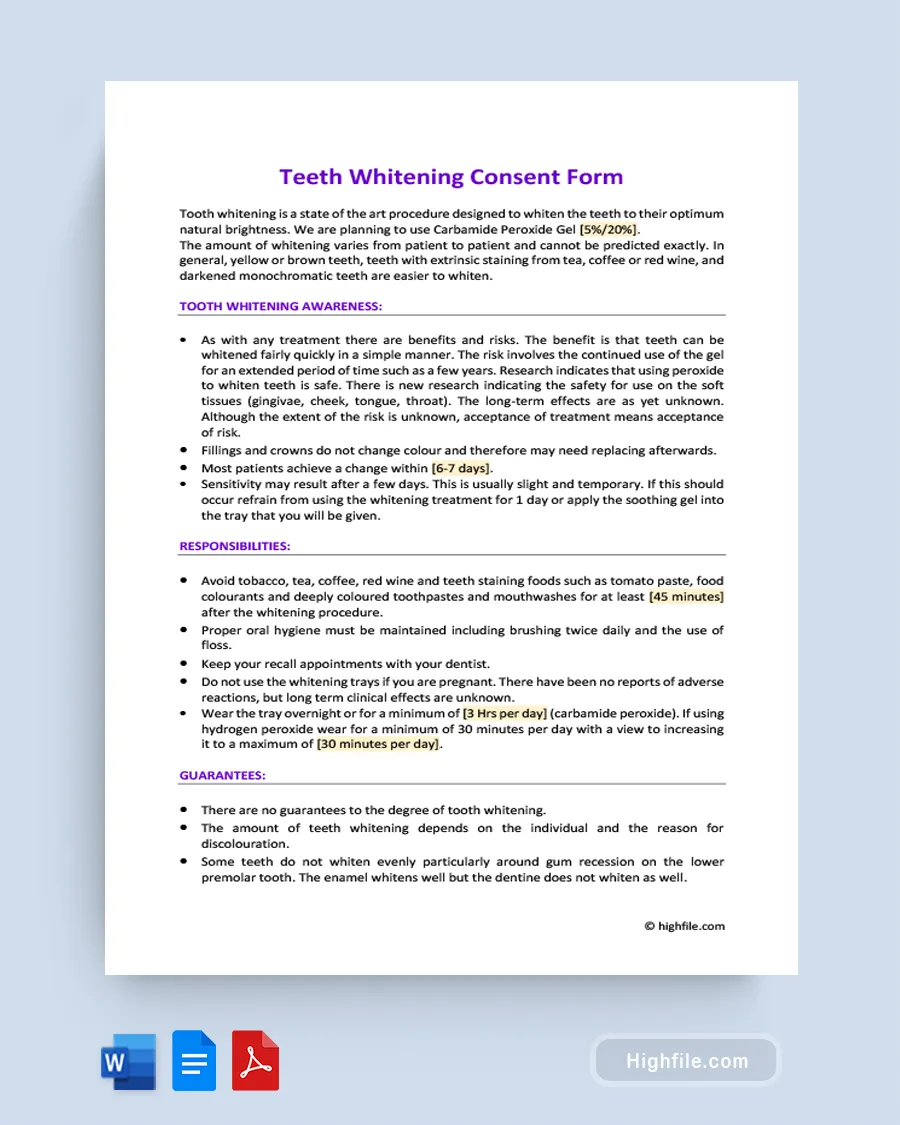
Cosmetic Teeth Whitening Consent What is it
A cosmetic teeth whitening consent form is a critical document in any dental practice offering teeth whitening services. It serves as a legally binding agreement between the patient and the dental professional, outlining the procedure, potential risks, benefits, and alternatives. This form ensures that patients are fully informed about what to expect before undergoing the treatment. It also protects both the patient and the practitioner, creating a transparent and professional environment. Understanding the consent form is essential for anyone considering teeth whitening, allowing for an informed decision and a smoother, safer experience. This guide will break down the top 5 facts everyone should know about the cosmetic teeth whitening consent form.
Why a Consent Form is Important
The consent form is not just a formality, but a cornerstone of ethical and legal dental practice. It ensures that the patient understands the nature of the treatment, the expected outcomes, and the possible complications. It fosters a relationship built on trust and open communication, which is vital for a successful patient-practitioner dynamic. By providing detailed information in writing, the form minimizes misunderstandings and ensures that both parties are on the same page. This practice helps set clear expectations and ensures the patient is well-prepared for their procedure.
Protecting the Patient

For the patient, the consent form is a safeguard. It allows them to make a fully informed decision about whether or not to proceed with the teeth whitening. The form details the possible risks and side effects, allowing the patient to weigh the benefits against the potential drawbacks. Patients can ask questions and clarify any uncertainties, ensuring they feel comfortable and confident before the procedure begins. The form should outline all possible outcomes, whether positive or negative, and any alternative treatments that might be available, promoting their autonomy and well-being. This information empowers them to actively participate in their dental care journey.
Protecting the Practitioner
From the practitioner’s perspective, the consent form is a form of legal protection. It documents that the patient was informed about the procedure, its risks, and potential outcomes. This documentation can be crucial if any complications arise. It demonstrates that the dental professional acted in good faith and adhered to ethical and legal standards. The form serves as evidence of informed consent, which is a fundamental requirement in healthcare. By having a signed consent form, practitioners can protect themselves from potential legal issues and maintain their professional reputation.
5 Key Facts for Cosmetic Teeth Whitening Consent Forms
Fact 1 Understanding the Procedure

The consent form should clearly explain the teeth whitening procedure. This includes the methods used, such as the type of bleaching agent (e.g., hydrogen peroxide, carbamide peroxide), and the application process (e.g., in-office treatment, take-home trays). The document should detail the number of sessions required, the duration of each session, and the expected outcomes. This section should also clarify any preparations needed before the procedure, such as a professional cleaning or dental examination, to ensure the best results. The goal is to give the patient a complete picture of what to expect during and immediately after the process.
What Happens During Whitening
During the teeth whitening procedure, the dental professional applies a bleaching agent to the surface of the teeth. The active ingredient in the bleaching agent breaks down stains and discoloration, resulting in a brighter smile. In-office whitening typically involves isolating the gums and other soft tissues to protect them from the bleaching agent. A special light or laser may be used to enhance the whitening effect. Take-home kits involve custom-fitted trays filled with a lower concentration of bleaching agent. The consent form should detail these variations and their potential impact on the patient.
Expected Results
The consent form must provide realistic expectations about the results of teeth whitening. While the procedure can significantly improve the appearance of teeth, it may not eliminate all discoloration or achieve a perfect white. The form should mention that results vary from person to person based on factors such as the severity of stains, the type of stains, and the individual’s enamel characteristics. It is important to discuss the limitations of the treatment and the possibility of needing multiple sessions or maintenance treatments. This helps prevent disappointment and ensures that the patient’s expectations align with the potential outcomes.
Fact 2 Risks and Side Effects

A comprehensive consent form highlights potential risks and side effects associated with teeth whitening. Common side effects, such as temporary tooth sensitivity and gum irritation, must be thoroughly explained. The form should describe the duration of these effects and how they can be managed, for example, by using desensitizing toothpaste or over-the-counter pain relievers. It is also essential to mention less common risks and complications, such as uneven whitening, changes in the tooth’s enamel, or adverse reactions to the bleaching agent. Patients should be informed about what to do if they experience any adverse reactions, including when to contact their dentist.
Tooth Sensitivity
Tooth sensitivity is a frequent side effect of teeth whitening. It occurs because the bleaching agent can penetrate the enamel and reach the dentin, stimulating the nerve endings. This sensitivity can manifest as a sharp, brief pain when consuming hot or cold foods and drinks. The consent form should explain that this sensitivity is usually temporary and subsides within a few days or weeks after the procedure. It should also recommend strategies for managing sensitivity, such as using desensitizing toothpaste, avoiding extremely hot or cold foods, and taking over-the-counter pain relief if needed. The form should assure the patient that this is a normal side effect.
Gum Irritation
Gum irritation, or gingivitis, is another potential side effect. During the whitening procedure, the bleaching agent might come into contact with the gums, causing irritation or inflammation. This can lead to redness, swelling, and discomfort. The consent form should explain how the dental professional will protect the gums during the procedure, such as using a protective barrier. It should also advise the patient on how to care for their gums after the treatment, which might include gentle brushing and flossing and avoiding irritating foods. Usually, gum irritation is also temporary and will resolve quickly.
Fact 3 Alternatives to Whitening
The consent form should mention alternative treatments for teeth discoloration. This information empowers the patient to make an informed decision based on their individual needs and preferences. It demonstrates the dentist’s commitment to providing comprehensive care and suggests different avenues to achieve the desired result. The inclusion of alternatives also helps manage expectations and ensures the patient understands all available options before proceeding.
Teeth Whitening Options
While teeth whitening is a popular option, the consent form should also present alternative choices. These could include professional teeth cleaning, which can remove surface stains and make teeth appear brighter. Other options could be dental veneers or dental bonding, which offer more dramatic results for stubborn stains or imperfections. Over-the-counter whitening products like strips and toothpaste can also be considered. Each option has different advantages, drawbacks, costs, and outcomes. The dentist should discuss each option’s pros and cons to help the patient choose what best suits their needs.
Choosing the Right Option
The consent form should help patients choose the right option. This involves a detailed discussion about their goals and any existing dental conditions. Factors such as the type and severity of the discoloration, the patient’s budget, and their lifestyle should be considered. It’s also important to consider the patient’s oral health history and if they have any existing restorations like crowns or fillings. These restorations will not whiten. The dentist will assess the patient’s individual circumstances, explain the potential outcomes of each treatment option, and provide tailored advice based on this evaluation. This process enables the patient to make an informed decision.
Fact 4 Patient Health History

A comprehensive consent form gathers information about the patient’s medical history. It includes a thorough assessment of any pre-existing conditions, medications, and allergies. This detailed review helps identify potential risks and helps the dental professional make a safe treatment plan. It can also prevent any complications arising from interactions between the whitening agent and the patient’s overall health. The process also ensures the patient is fully evaluated before starting any procedures.
Medical Conditions
Specific medical conditions can influence the safety and effectiveness of teeth whitening. The consent form should inquire about conditions such as pregnancy, breastfeeding, and any known sensitivity to bleaching agents or other dental materials. Patients with certain conditions, such as enamel defects, gum disease, or sensitive teeth, may not be suitable candidates for teeth whitening, or may require modified procedures. The form should also note any history of eating disorders, which can impact oral health. Full disclosure helps to avoid unexpected adverse outcomes. The dentist should review and assess each patient’s conditions and create a personalized action plan.
Allergies
The consent form needs to detail any allergies the patient may have, specifically those to dental materials. Allergies to hydrogen peroxide, carbamide peroxide, or other components of the bleaching agent must be carefully documented. The dentist should inquire about any past allergic reactions to dental procedures or products. If the patient has any known allergies, alternative treatments or procedures might be required. This reduces the risk of allergic reactions during the whitening process. Complete disclosure allows the practitioner to prioritize patient safety and avoid any unwanted health complications.
Fact 5 Consent Form Details

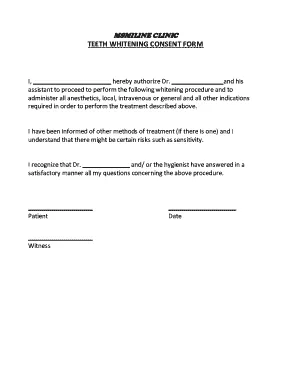
The consent form requires careful and accurate completion. This involves the patient reading and reviewing the form thoroughly. The dental professional should also review the form with the patient, answering any questions and clarifying any concerns. Proper completion, including signatures and dates, is legally essential. This shows that the patient has been fully informed and has agreed to undergo the procedure. This ensures the form is valid and can be used to protect both parties. Ensuring all details are in order guarantees a transparent and legally sound process.
Reviewing the Form
The patient needs to carefully read and understand all the information in the consent form. Before signing, the patient should be provided ample time to review the content, including the procedure details, potential risks, and expected outcomes. The dental professional should encourage questions. The dentist should review the document with the patient, explaining any technical terms or unclear sections. They should also be accessible to discuss any doubts. This helps the patient feel more comfortable and increases the odds of a satisfying, safe procedure.
Signing and Dating
After the patient fully understands the consent form, they should sign and date it to acknowledge their agreement. The form is a legally binding document. The patient’s signature signifies that they have been informed about the teeth whitening procedure, its potential risks and benefits, and any alternatives. The date is also very important, indicating the moment the consent was given. The practitioner should also sign and date the form, and retain a copy for their records. This validates the consent, providing an important legal record.
After the Procedure
After the teeth whitening procedure, the dentist provides instructions to the patient. Post-procedure care significantly influences the longevity and effectiveness of the whitening results. Understanding and following these instructions are vital to avoid complications and ensure a pleasing outcome. By providing clear guidance and addressing any concerns, dentists demonstrate their commitment to patient care and satisfaction.
Post-Whitening Care
Patients should be given specific instructions on how to care for their teeth immediately after the whitening treatment. This guidance often involves avoiding certain foods and drinks that can stain teeth, such as coffee, tea, red wine, and heavily pigmented foods. They should also be advised to refrain from smoking, as nicotine can quickly stain newly whitened teeth. Patients should be informed about which oral hygiene products to use, such as soft-bristled toothbrushes and non-abrasive toothpaste, to protect their enamel. Following these guidelines can help preserve the whitening results.
Maintaining Results
Maintaining the results of teeth whitening needs ongoing care. The dentist should recommend regular dental check-ups and cleanings to help remove surface stains and maintain the brighter appearance of the teeth. The dentist may also suggest at-home maintenance products like whitening toothpaste. Regular flossing and brushing are crucial. Patients might benefit from touch-up treatments, either at the dental office or through take-home kits, to sustain the whitening over time. The dentist will explain the optimal frequency of touch-ups based on the individual and their lifestyle habits.