What is Charcoal Whitening
Charcoal whitening has gained significant popularity as a natural method for achieving a brighter smile. The process generally involves using activated charcoal, a fine black powder, to brush the teeth. The appeal of charcoal whitening lies in its purported ability to remove stains and surface impurities, leading to a whiter appearance. Unlike some other teeth whitening methods, charcoal whitening is often marketed as a gentler, more natural alternative, making it attractive to individuals seeking to avoid harsh chemicals. The fundamental principle behind charcoal whitening is the adsorptive properties of activated charcoal. Adsorption is the process where molecules of a substance adhere to a surface, in this case, the surface of the teeth. This contrasts with absorption, where a substance is taken up into the bulk of another substance. This property is what makes charcoal a contender for removing stains.
How Does Charcoal Whiten Teeth
The primary mechanism by which charcoal is believed to whiten teeth is through the removal of surface stains. These stains often accumulate from food, drinks (such as coffee, tea, and wine), and smoking. Activated charcoal, due to its porous nature, is thought to bind to these staining compounds. When you brush your teeth with charcoal, the abrasive action helps dislodge these stains. It is important to note that charcoal does not change the intrinsic color of the teeth, which is the natural color of the dentin beneath the enamel. The effectiveness of charcoal whitening is therefore largely limited to extrinsic stains, those on the surface. It is also argued that charcoal can help to remove plaque and bacteria, contributing to fresher breath and a cleaner mouth. However, this requires more research to support it.
The Science Behind Charcoal’s Effectiveness

While charcoal’s adsorptive properties are well-established, scientific evidence supporting its effectiveness in teeth whitening is limited. Studies examining the efficacy of charcoal for teeth whitening are scarce, and the results often show mixed results. Some studies suggest that charcoal can help remove surface stains. However, there is no consensus that charcoal can whiten teeth more effectively than regular toothpaste. Concerns exist regarding the abrasiveness of charcoal. Regular use of abrasive substances can potentially wear down tooth enamel over time, making teeth more susceptible to decay and sensitivity. Without conclusive scientific evidence, it is difficult to definitively claim the benefits of charcoal whitening, while some users report noticeable improvements in teeth whiteness, others find it less effective or even detrimental. Research on charcoal whitening continues. It is always a good idea to consider professional advice.
Is Charcoal Whitening Safe
The safety of charcoal whitening is a subject of ongoing debate. While activated charcoal is generally considered safe for consumption in certain contexts, its use in teeth whitening raises some concerns. The primary concern is the abrasive nature of charcoal. Tooth enamel is the hardest substance in the human body, but it can still be worn down by abrasive materials. When enamel is compromised, the underlying dentin becomes exposed, leading to increased sensitivity and a higher risk of cavities. The level of abrasiveness can vary depending on the specific charcoal product and how it is used. It is important to select a charcoal product designed for dental use, as some may contain additional ingredients that could be harmful. Always be sure you’re using a soft-bristled toothbrush. Always consult with your dentist to determine whether it is right for your particular situation.
Potential Risks and Side Effects
Several potential risks and side effects are associated with charcoal whitening. One of the most significant is enamel erosion. As mentioned previously, the abrasive nature of charcoal can wear down enamel, leading to increased tooth sensitivity, especially to hot or cold temperatures. This damage is irreversible, and in severe cases, it may require restorative dental work. Another potential risk is gum irritation and recession. If charcoal is used aggressively or if the toothbrushing technique is incorrect, it can irritate or damage the gums, causing them to recede. The abrasive action can also damage soft tissues, increasing the risk of infection. Furthermore, some charcoal products may contain contaminants or impurities that could be harmful if ingested. In some cases, users may experience allergic reactions. If any adverse effects occur, it is best to stop using charcoal and consult with a dentist.
How to Use Charcoal for Whitening

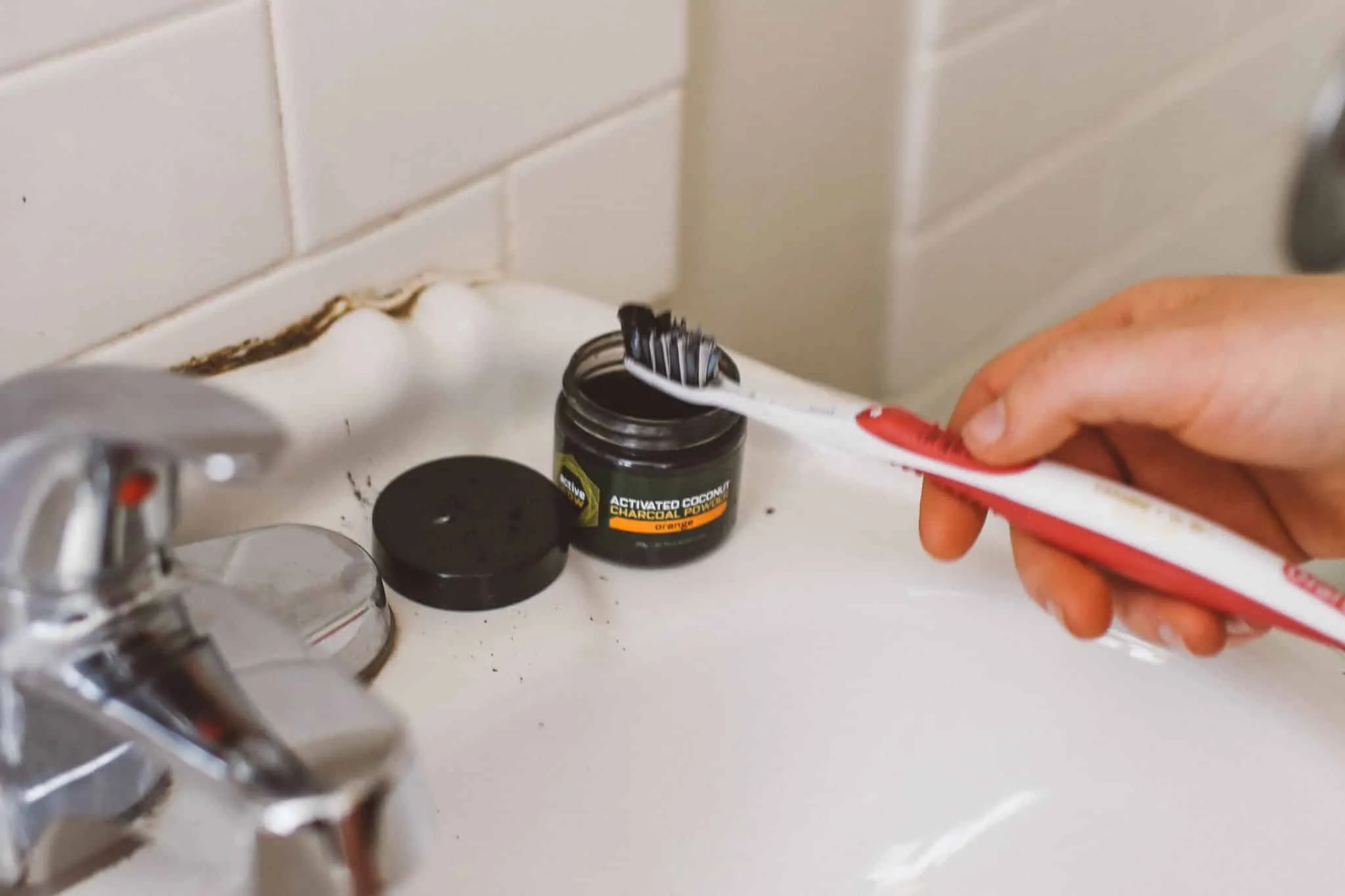
If you choose to try charcoal whitening, it is essential to follow a safe and effective method. There are several ways to incorporate charcoal into your oral hygiene routine. The most common method is to use charcoal powder. You can dip a wet toothbrush (soft-bristled) into the charcoal powder and brush your teeth for two to three minutes. Make sure to cover all surfaces of your teeth. Some people prefer to mix the charcoal with water to form a paste. After brushing, rinse your mouth thoroughly with water and brush your teeth with regular toothpaste to remove any residual charcoal particles. Charcoal toothpaste is another option. These toothpastes contain activated charcoal as an ingredient and are formulated for oral use. Follow the instructions on the product label.
Step-by-Step Guide to Charcoal Whitening
To begin, wet your toothbrush with water. Next, dip the wet toothbrush into the charcoal powder, ensuring the bristles are coated. If using charcoal toothpaste, apply the recommended amount. Then, brush your teeth gently for two to three minutes, paying attention to all surfaces. Use circular motions, not aggressive scrubbing. After brushing, rinse your mouth thoroughly with water to remove loose charcoal particles. You may need to rinse several times. Then, brush your teeth with regular toothpaste to ensure all charcoal residue is gone. This is also a good way to add fluoride to help protect your teeth. Use charcoal whitening no more than once or twice a week to minimize potential risks. Always observe your teeth for any signs of sensitivity or damage. If you notice any issues, stop using charcoal and consult a dentist.
Best Practices for Using Charcoal
To minimize the risks and maximize the potential benefits of charcoal whitening, it is important to follow best practices. Always use a soft-bristled toothbrush to reduce the abrasiveness. Avoid applying excessive pressure when brushing. This helps to protect the enamel and gums. Choose a charcoal product specifically designed for dental use. Ensure that the product is sourced from a reputable manufacturer. Limit your use to once or twice a week. Overuse can increase the risk of enamel erosion. If you experience any sensitivity or irritation, discontinue use immediately. Consult your dentist regularly to monitor the health of your teeth and gums. Discuss your use of charcoal with your dentist. They can provide personalized advice and recommendations based on your oral health. Proper usage and regular dental checkups are essential for maintaining a healthy smile.
Charcoal Whitening Alternatives

If you’re looking for teeth whitening solutions, there are various effective alternatives to charcoal whitening. These options offer different levels of effectiveness and safety. Choosing the right method depends on your specific needs and preferences. Over-the-counter whitening products are widely available and can be a good option for mild to moderate staining. Professional teeth whitening can offer more dramatic results. Consider your budget, your oral health, and your desired outcomes. Consulting your dentist will help you make an informed decision.
Professional Teeth Whitening
Professional teeth whitening involves procedures performed by a dentist. These treatments often use higher concentrations of whitening agents, such as hydrogen peroxide or carbamide peroxide, which can produce more significant results than over-the-counter products. Dentists can also assess the health of your teeth and gums before treatment, ensuring the procedure is safe. There are several types of professional teeth whitening, including in-office whitening and take-home whitening kits provided by the dentist. In-office whitening involves a single appointment, where the dentist applies the whitening agent and activates it with a special light or laser. Take-home kits typically involve custom-fitted trays and a lower concentration of whitening gel, which you use at home as directed by your dentist. Professional teeth whitening is generally more effective than over-the-counter products, but it can be more expensive. The results are generally more predictable, and the dentist can monitor the process to minimize risks.
Over-the-Counter Whitening Products
Over-the-counter whitening products include toothpastes, strips, gels, and mouthwashes. These products typically contain lower concentrations of whitening agents. Whitening toothpastes often contain mild abrasives that help remove surface stains. Whitening strips are thin, flexible strips coated with a whitening gel that you apply to your teeth for a specified amount of time. Whitening gels are applied to the teeth with a brush or tray. Whitening mouthwashes can help freshen breath and remove surface stains. Over-the-counter products are generally less expensive than professional treatments and are readily available without a prescription. However, they may not be as effective for more severe staining, and the results can vary. Always follow the instructions on the product label and be aware of potential side effects. These products can be a good option for people with mild stains.
The Verdict Does Charcoal Whititen?
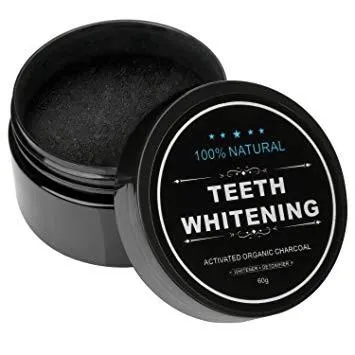
In conclusion, while charcoal whitening may help remove surface stains, the scientific evidence supporting its effectiveness is limited. There are potential risks associated with using charcoal for teeth whitening, including enamel erosion and gum irritation. Alternatives such as professional teeth whitening and over-the-counter products may offer more predictable and safer results. Before trying charcoal whitening, it is essential to consider the potential risks and consult with your dentist. They can provide personalized advice based on your oral health. A bright and healthy smile is achievable with the right approach and understanding of oral care. Always prioritize the health of your teeth and gums.