Understanding Charcoal Teeth Whitening and Its Risks
The pursuit of a brighter smile has led many to explore alternative teeth whitening methods, and charcoal teeth whitening has emerged as a popular choice. Marketed as a natural and affordable solution, it promises to lift stains and brighten teeth. However, it’s crucial to understand the potential dangers associated with this trend. While charcoal might seem harmless, the truth is that it can pose significant risks to your oral health if not used carefully. This article delves into the risks and offers guidance on how to mitigate them, ensuring you can make informed decisions about your dental care.
How Charcoal Whitening Works
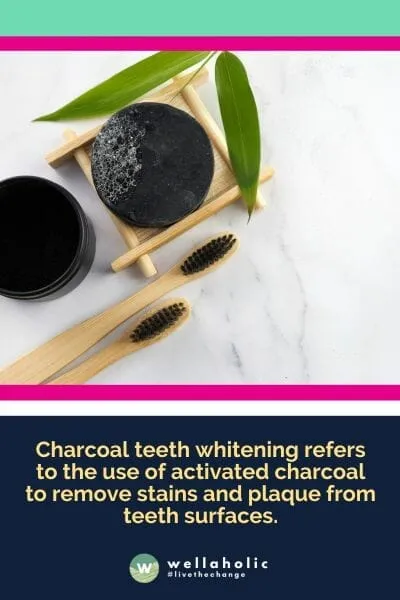
Charcoal teeth whitening typically involves using activated charcoal, a fine, black powder made from various sources like coconut shells or wood. The premise is that charcoal’s porous nature allows it to absorb stains and impurities from the surface of the teeth. When used for brushing, charcoal is supposed to bind with these substances and remove them, leading to a brighter appearance. However, this process is not without its drawbacks, and understanding the mechanism is essential to recognizing potential dangers. The effectiveness and safety of charcoal whitening largely depend on the abrasive quality of the charcoal and how it interacts with your enamel.
The Abrasive Nature of Charcoal

One of the primary concerns with charcoal teeth whitening is its abrasive nature. Unlike professionally formulated whitening treatments that use chemical processes, charcoal relies on physical abrasion to remove stains. This abrasive quality, while effective in removing some surface stains, can also erode the enamel, the protective outer layer of your teeth. The level of abrasion can vary depending on the charcoal product and the brushing technique. Using a product that is too abrasive or brushing too vigorously can lead to significant damage over time.
Potential for Enamel Damage
Enamel damage is a serious consequence of using abrasive substances like charcoal on your teeth. Enamel is the hardest substance in the human body, but it is not indestructible. Once the enamel is worn down, it doesn’t regenerate. This erosion can expose the underlying dentin, which is softer and more susceptible to decay and sensitivity. The loss of enamel also makes your teeth more vulnerable to staining, defeating the purpose of the whitening process. Long-term use of charcoal can significantly increase the risk of enamel erosion and lead to a variety of dental problems.
Increased Tooth Sensitivity
As enamel wears away due to the abrasive action of charcoal, the dentin beneath becomes exposed. Dentin contains microscopic tubules that lead directly to the nerves within the tooth. This exposure can cause increased tooth sensitivity, making your teeth react to hot or cold temperatures, sweet or acidic foods, and even air. This sensitivity can range from mild discomfort to significant pain, affecting your ability to enjoy your favorite foods and beverages. The risk of sensitivity increases with continued use of charcoal and the extent of enamel erosion.
Gum Irritation and Inflammation

The use of charcoal can also irritate and inflame the gums, especially if the product contains harsh ingredients or if the brushing technique is too aggressive. The abrasive particles of charcoal can scratch and damage the delicate gum tissue, leading to inflammation, bleeding, and even receding gums. Receding gums expose more of the tooth’s root, which is not protected by enamel and is therefore more susceptible to decay and sensitivity. Consistent irritation can lead to chronic gum problems, increasing the risk of infections and other oral health issues.
How to Minimize Risks When Using Charcoal Teeth Whitening
If you choose to use charcoal teeth whitening despite the potential risks, it’s important to take precautions to minimize the negative effects. The following guidelines can help reduce the likelihood of damaging your teeth and gums. It’s crucial to remember that these are preventative measures and do not guarantee complete safety, and it’s always advisable to consult with your dentist before starting any new teeth whitening regimen.
Choosing the Right Charcoal Product
Not all charcoal products are created equal. The quality and composition of the charcoal can greatly affect its abrasiveness. Some products may contain coarse particles that can cause more damage. Thorough research is essential to find a product that is as gentle as possible.
Selecting a Reputable Brand
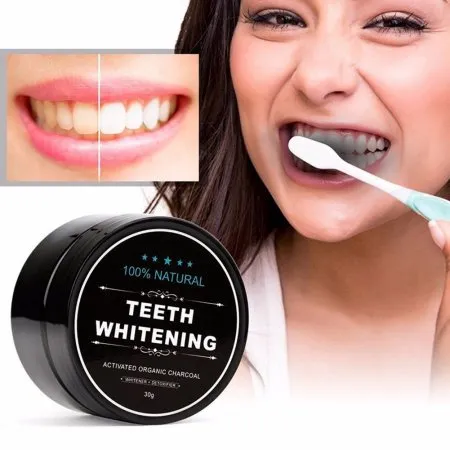
Opt for charcoal products from reputable brands that have a history of producing high-quality oral care items. These brands are more likely to adhere to strict quality control standards and provide accurate information about their products. Check for reviews and ratings to gauge other users’ experiences.
Checking for Added Ingredients
Carefully review the ingredient list to ensure the product doesn’t contain any harsh or potentially damaging ingredients. Avoid products with high concentrations of abrasive agents, such as silica or pumice. Look for products that include fluoride to help strengthen your enamel. Always be aware of any sensitivity or irritation after usage.
Proper Brushing Technique
The way you brush your teeth with charcoal is as important as the product itself. Using the correct technique can significantly reduce the risk of damage to your enamel and gums.
Gentle Brushing Motion

Brush your teeth in gentle, circular motions rather than back-and-forth scrubbing. Avoid applying excessive pressure, as this can wear away enamel and damage your gums. Be patient and take your time, ensuring you cover all surfaces of your teeth without aggressive brushing.
Avoiding Excessive Pressure
Be mindful of the amount of pressure you apply while brushing. Many people brush too hard, thinking it will clean their teeth better. However, excessive pressure can damage your enamel and gums. Use a soft-bristled toothbrush and apply just enough pressure to remove plaque and debris without causing harm. If you are unsure about the pressure, consider using an electric toothbrush with a pressure sensor.
Frequency of Use
Limit the frequency of charcoal teeth whitening to minimize the risk of damage. Using it too often can increase enamel erosion and sensitivity. Consider using charcoal only once or twice a week, or even less frequently, and alternate with a regular fluoride toothpaste to remineralize your enamel. Always listen to your teeth and gums. If you experience any sensitivity or irritation, discontinue use immediately.
The Importance of Regular Dental Checkups

Regular dental checkups are essential for maintaining good oral health, especially if you use charcoal teeth whitening. Your dentist can assess the condition of your teeth and gums, identify any signs of damage, and provide professional cleaning and advice. Regular checkups can catch problems early and prevent them from escalating. Be sure to communicate with your dentist about your charcoal teeth whitening habits.
What to Discuss with Your Dentist
During your dental checkup, openly discuss your use of charcoal teeth whitening with your dentist. They can evaluate any potential damage or problems and offer personalized recommendations. Ask your dentist about the abrasiveness of the charcoal product you are using and whether it is suitable for your teeth. You should also inquire about alternative whitening methods and proper oral hygiene practices tailored to your needs.
Alternatives to Charcoal Teeth Whitening
If you are concerned about the risks associated with charcoal teeth whitening, several safe and effective alternatives can achieve a brighter smile without damaging your teeth.
Professional Whitening Options

Professional teeth whitening performed by a dentist is the safest and most effective method. Dentists use stronger whitening agents and can monitor your teeth and gums throughout the process to prevent damage. They can also customize the treatment to your specific needs and achieve significant results. Consider a professional whitening procedure if you’re looking for noticeable and safe results.
At-Home Whitening Kits
If you prefer to whiten your teeth at home, consult with your dentist about using over-the-counter whitening kits. Some kits are designed to be less abrasive and are safer when used according to instructions. Your dentist can also provide custom-made trays and professional-strength whitening gel for a more effective and personalized treatment. Be sure to follow all instructions and consult with your dentist before you begin using any at-home whitening products.
Maintaining a Healthy Smile
Regardless of the teeth whitening method you choose, maintaining good oral hygiene practices is essential for a healthy and beautiful smile. Regular brushing with fluoride toothpaste, flossing, and routine dental checkups can protect your teeth from decay, gum disease, and other problems. Consider these practices for long-term health, and consult with your dentist about the best oral hygiene routine for your specific needs. Prioritize oral health alongside any teeth-whitening regimen to enjoy a healthy and radiant smile for years to come.